A Dog Walker’s Guide to Different Types of Dog Walks
If you’re a pet sitter or a dog walker, you know that different dogs can need dramatically different walks. Some breeds need a brisk pace and lots of miles logged, while other pups crave the mental stimulation that comes from sniffing. Knowing your Rover dog—and their client’s goals—can help you meet dog needs and owner expectations alike.
In this guide, we’ll review the different types of walks pet sitters and dog walkers are likely to encounter, plus how to know what kind of walk different dogs need most.
The Sniffari
Sniffari walks are all about letting dogs explore the world through their noses. Unlike brisk exercise walks, these meandering strolls prioritize exploration over distance or intensity. On a sniffari, don’t worry about covering a ton of ground—your role is to let the dog lead and be patient as they investigate scents that interest them.
Clients may request a sniff-focused walk so their dog can get adequate enrichment while they’re at work. Sniffing also helps reduce stress, so these walks are a good way to keep dogs content and minimize destructive tendencies while their owner is away.
All dogs can benefit from a slow, sniffy walk, but sniffaris are especially perfect for:
- Senior dogs. Older dogs still need exercise, but most should avoid high-impact activities. A slower-paced sniffari encourages gentle movement while allowing senior dogs to use their brains.
- Scent-oriented dogs. Some dogs live to sniff! This includes scent hounds (Beagles, Basset Hounds, Bloodhounds, Dachshunds) and hunting dogs (Pointers, Bluetick Coonhounds, Retrievers).
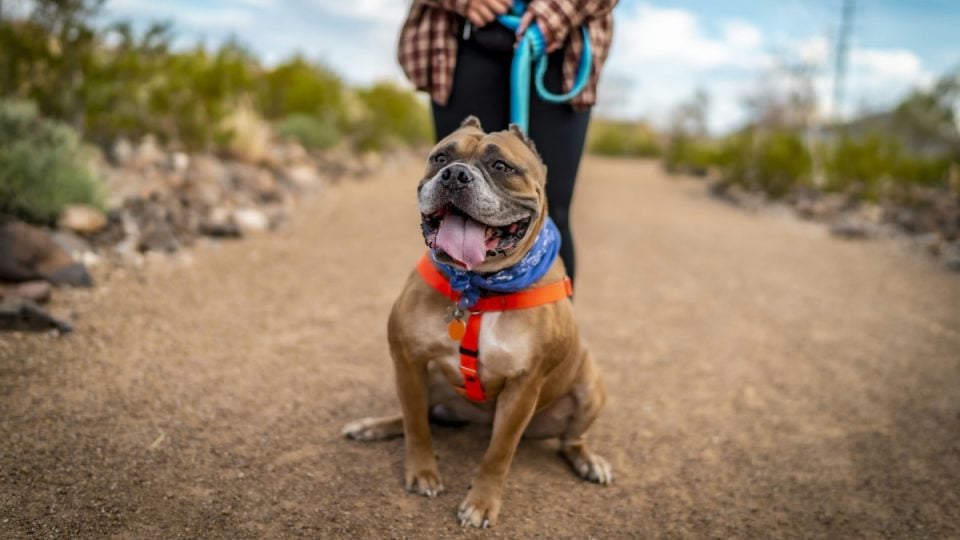
- Brachycephalic breeds. Dogs with shorter snouts, like Pugs, Frenchies, and Shih Tzus, may struggle to keep up during intense, long-distance walks. A slow, sniff-focused walk keeps these flat-faced pups from overexerting themselves.
- Reactive dogs. Walking off the beaten path reduces exposure to common triggers, like bikes and other dogs. A sniffari also gives these high-strung pups a chance to decompress.
Dog walking tips for slow and sniffy walks
- Let the dog set the pace. Sniffaris put the pup in control, so sit back and enjoy the ride—which might be slow.
- Use a longer leash. As long as it’s safe and permitted, a long line gives the dog more freedom and can make them feel like they’re off-leash.
- Walk on quieter routes. Scout out locations that are low-traffic and free of distractions. Options include woodland trails, empty parking lots, and baseball fields.
- Scatter treats. If the dog needs encouragement, tossing a few treats along your route can get them in the mood to sniff.
- Turn regular walks into a sniffari. Even if you can’t find a private area where a longline will work, you can still let the dog stop and sniff as they like during your regular neighborhood walk.
- Be patient. If the dog stays in one particular area for a long while, let them! Enjoy watching their natural instincts at work.
Lazy_Bear via iStock
The Power Walk
Sniffy walks have their place, but you’ll also have clients who expect a walk to get their dog’s heart pumping. Exercise walks help dogs stay trim, burn excess energy, build muscle, and avoid joint issues like arthritis. These types of walks usually move at a brisk pace and may traverse more challenging terrain.
High-energy breeds will enjoy power walks the most, but even dogs with moderate energy will appreciate the exercise after being cooped up at home. Flat-faced breeds, overweight dogs, and growing puppies should avoid such intense workouts.
Ideal candidates for power walks include:
- Working breeds. Dogs bred for roles like guarding, rescue, and sled-pulling have stamina in spades. This includes German Shepherds, Australian Shepherds, Belgian Malinois, and Doberman Pinschers.
- Herding breeds. Dogs built for chasing after livestock need lots of physical outlets. These include Border Collies, Australian Cattle Dogs, and Corgis.
- Sporting breeds. These breeds require vigorous daily exercise and include Spaniels, Pointers, Retrievers, and Setters.
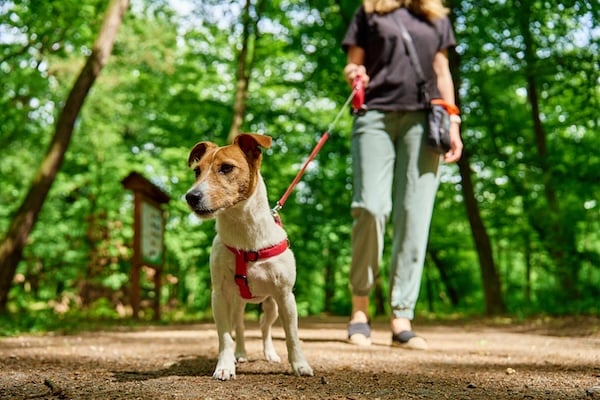
- High-energy breeds. A few lively breeds who thrive with an active lifestyle include Jack Russell Terriers, Dalmatians, Golden Retrievers, and Vizslas.
Dog walking tips for exercise walks
- Use the right gear. Generally, a back-clip harness works better than a front-clip harness (which is better suited for training). A bungee-cord leash absorbs sudden jolts to prevent injury. If you’re a runner and offer this service for trained dogs, a hands-free leash is ideal.
- Make sure you can handle the dog’s strength. Before agreeing to a power walk with a Great Dane or Cane Corso, verify that the dog is well-trained and that you have the arm strength to control them if they catch wind of a squirrel.
- Get toileting and sniffing taken care of first. Before breaking into a high-speed power walk, give dogs a chance to potty and check their “pee-mail.” This helps them focus better on the walk.
- Stretch and warm up first. Don’t launch right into a marathon; give yourself time to stretch and walk at a more moderate pace to warm up the dog’s joints and muscles.
- Monitor the dog’s energy level. Watch the dog for signs they’re running out of gas, especially on hotter days. Take breaks when needed and slow down when the dog loses stamina.
- Stay hydrated. Always bring a portable water bottle or collapsible bowl to hydrate along the way.
- Make adjustments when the weather calls for it. Shorten walks or lower their intensity when it’s hot, humid, or stormy. Don’t hesitate to bring the exercise indoors if it’s not safe outside.
Davor Radicev via iStock
Short But Frequent Walks
Not all dogs need long, rambling walks or intense treks that take the better part of the afternoon. Some of your Rover clients will need to take short walks, and just more of them. If you’re boarding one of these dogs, it’s important to plan your day accordingly and set aside multiple slots for a quick walk.
Dogs who may need short but frequent walks include:
- Puppies. To protect developing joints, growing puppies should avoid strenuous exercise. The general rule is five minutes of walking per month of age.
- Small breeds. Tiny dogs like Yorkies and Chihuahuas have short bursts of energy, but they need to rest between outings.
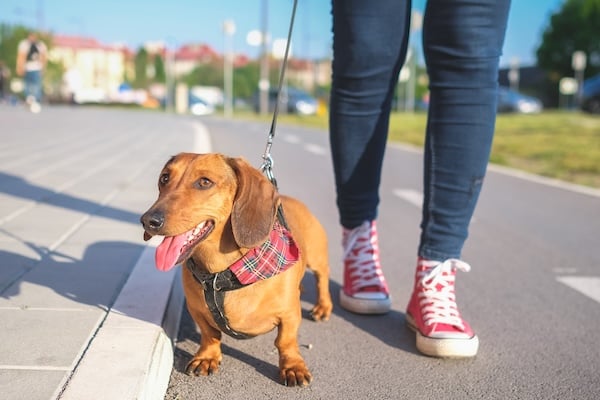
- Dogs with short legs. Short-legged breeds like Dachshunds have to work harder to keep up with a human’s pace, which means they can tire more quickly.
- Brachycephalic breeds. Because of their vulnerability to heat exhaustion, flat-faced dogs like Boston Terriers and Bulldogs benefit from shorter, less strenuous walks.
- Low-energy breeds. Dogs who enjoy life at a slower pace, like Basset Hounds and Mastiffs, can fulfill their exercise quota with several shorter walks per day.
- Senior dogs. Older dogs still need exercise to maintain mobility and keep their joints in tip-top shape. They just need to slow down the pace and shorten the length of their walks.
- Overweight dogs. If your client would like their dog to shed a few pounds, remember: slow and steady wins the race. Avoid pushing these dogs too hard. Short but frequent walks are the best way to build endurance safely.
- Dogs with health issues. Dogs with arthritis, respiratory issues, heart conditions, or other health problems may need to refrain from high-impact exercise and stick to short, frequent walks instead.
Dog walking tips for short but frequent walks
- Watch for extreme temperatures. Many small dogs get hot or cold quite quickly, so be prepared with alternative exercise options, and plan walks in the early morning or evening during the summer months.
- Vary the route to keep things interesting. Just because a walk is on the shorter side doesn’t mean it has to be boring. Changing up your route keeps the dog engaged and is particularly beneficial for puppies who need lots of positive exposure to new things.
- Keep walks to about 15 minutes. Ask the owner how long they expect walks to be. If you’ll be walking for less than 30 minutes during a drop-in visit, ask how you can best use the extra time (e.g., playing in the backyard, enrichment activities, etc.).
- Incorporate fun training games. Make the most of those short walks! Just a few minutes of focused training can help tire a dog out and enrich a brief, 10-minute stroll.
Anton Pentegov via iStock
The Explorer
Some dogs enjoy walks that offer new sights, smells, animals, or routes. Walks that focus on novelty rather than duration or intensity can boost a dog’s confidence, provide enrichment, and help with socialization. These types of walks can take place anywhere that’s new to the dog: try exploring a new park, a different neighborhood, or a trail they’ve yet to discover.
The following dogs make natural explorers:
- Curious dogs. You can usually get a sense of a dog’s curiosity during the Meet and Greet. Ask the owner if their dog generally likes to seek out new experiences.
- Social breeds. Outgoing dogs like Labrador Retrievers and Siberian Huskies may like urban exploring, where they’re likely to encounter a range of new canine friends. Just stay alert and use your best judgment when deciding whether to meet another dog.
- Well-socialized dogs. Friendly dogs who have had plenty of positive interactions with new dogs, places, and sights will be better equipped to handle an exploratory walk, whereas under-socialized dogs might find such walks stressful or frightening.
Dog walking tips for sightseeing walks
- Plan a sightseeing tour. Once you get the go-ahead from the owner, map out where you’ll take exploratory walks. Look for routes that pass by places of interest like parks, lakes, and playgrounds.
- Choose routes with varied terrain. If the dog usually walks on a straight, paved sidewalk, find a route that alternates between sandy paths, dirt trails, and ankle-deep streams.
- Use trail apps. Apps like AllTrails are excellent resources for finding suitable explorer walks. You can check whether a trail is dog-friendly, the types of terrain it covers, and any unique sights, such as bodies of water. Download a map for safe navigation.
- Avoid uninvited interactions. Even if the purpose of an exploratory walk is socialization, it’s crucial to never let the dog approach strangers or unfamiliar dogs without explicit permission.
- Plan transportation. If you’ll need to drive somewhere, ask the owner how you can safely transport their dog (and whether they’ll allow it in the first place). They might use a carrier, crate, or car harness.
- Go with the flow. Just as you would with a leisurely sniffari, let your canine explorer zig-zag from scent to scent with no specific objective in mind.
Brendan von Wahl via iStock
The Training Walk
As a dog sitter, you’re not responsible for fixing behavior problems. But you might have clients who ask you to continue certain training tactics during walks.
Incorporating training into walks can benefit dogs who are still working on leash manners and walking skills. Even experienced dogs can benefit from training walks, as they provide mental stimulation.
Dogs who stand to benefit the most from training walks include:
- Reactive dogs. Pets with a strong negative response to certain triggers on walks may improve with consistent counterconditioning and desensitization. Ask the owner about any triggers their dog has and how they handle them.
- Dogs who pull. With persistent pullers, try a game of “red light, green light.” Simply stop any time the dog pulls, and resume only after they’ve eased up on the leash.
- Easily distracted dogs. A game of “look at me,” or touch-targeting, can help reinforce focus.
- High-energy dogs. Active dogs need more than just power walks to burn off steam. Adding brain games to the mix is a great way to expend excess energy.
- Intelligent breeds. Smart dogs like Poodles and Papillons love to learn and are usually game for anything that tests their brain power.
Dog walking tips for training walks
- Confirm any training plans ahead of time. Ask the client if they’re working on any particular training goals. Check if there are any cues they’d like you to reinforce, or techniques (like counterconditioning) they’d like you to continue.
- Check on treats and rewards. It’s important not to offer treats without checking in with the owner, as some dogs have dietary restrictions or sensitivities to certain ingredients. Ask which treats the dog finds most rewarding.
- Stay attentive. Vigilance is important for every walk, but it’s especially critical on training walks. If you’re not fully engaged, you may miss the chance to reinforce cues like “leave it” or help a reactive dog feel better about a particular stimulus with treats.
- Get a summary for the owner. Another reason to pay attention? So you can report back to the owner on the dog’s progress. You might note an area where the dog excelled (“They passed a skateboard without losing it!”) or areas that could still use work (“They pulled at every squirrel we passed”).
Knowing the different types of dog walks will give you an edge as a sitter. It shows pet owners that you understand there’s a wide range of dogs out there, each with unique exercise needs, training goals, and social preferences.
This information can also help you calibrate each walk’s distance and pace appropriately, keep dogs safe, and help them get the most out of their special time with you.