Pet Sitter Tips for Caring for Nervous Cats
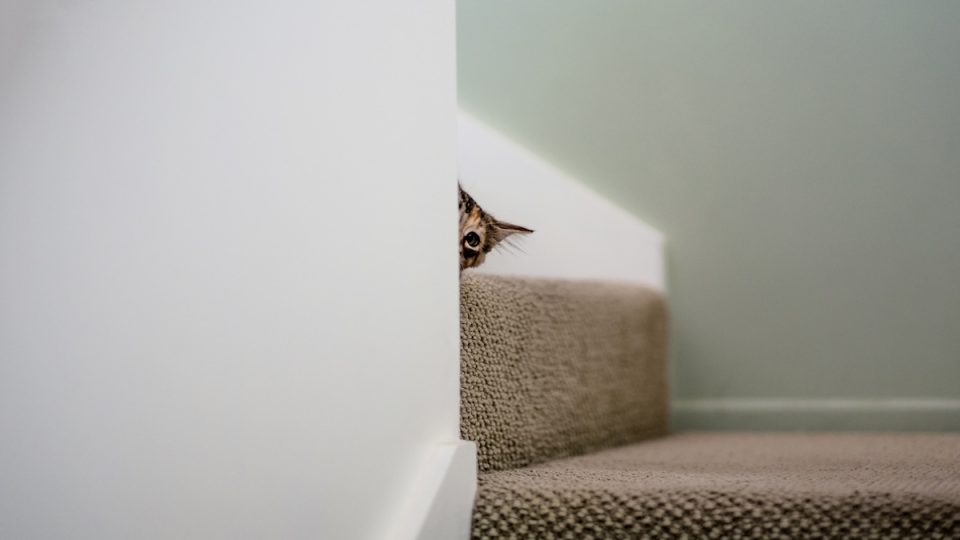
If you’re a pet sitter who cares for cats, you know that every cat has their own personality—and some cats can be on the shy side. Since shyness exists on a spectrum, it can be hard to know how to approach nervous cats as a sitter. Should you give them space? Try to befriend them? Somewhere in the middle?
To help you strategize, we’ve rounded up our favorite ways to reassure timid and anxious cats. This guide offers tips for a smooth first meeting, plus advice on easing into a cat-friendly rhythm that minimizes feline fear.
1. Follow the Pet Parent’s Lead During Your Meet & Greet
The Meet and Greet is your first chance to feel out new cat clients. As you observe the cat’s behavior and comfort level, take your cues from the owner. They know their cat best and can help you understand their pet’s personality and quirks.
Here’s what you can do:
- Observe the owner’s behavior. Do they offer pets freely or take a hands-off approach?
- Ask questions about the cat’s preferences. Learn how the cat typically responds to new people and what calming strategies have worked in the past. Does the cat have a favorite toy or treat? A special hiding place?
- Learn the owner’s expectations. Do they want you to simply handle feeding and cleaning, with minimal to no interaction? Or are they hoping you’ll try building a relationship with their cat?
2. Use a Calm Tone & Body Language
With shy or nervous cats, the way you carry yourself matters. Maintain a calm presence, and follow these tips:
- Don’t call for the cat. If the cat is skittish, aim for a quiet entrance—don’t call for them to come out or loudly announce your arrival.
- Speak softly and narrate your actions. Use a gentle, soothing voice, and talk to the cat while you go about your business. This helps the cat always know where you are.
- Avoid direct eye contact. Cats sometimes perceive staring as a threat. Looking slightly away or focusing on the ground can make you less intimidating.
- Try slow blinking. Slow blinks are a special way that cats show trust and affection. Slowly close your eyes to signal that you’re friendly and approachable.
- Move slowly and predictably. Avoid sudden or exaggerated movements, and never sneak up on a cat. Instead, move about the home slowly and smoothly.
- Sit or kneel. Getting down on the cat’s level can make you less scary. Try sitting on the ground while reading aloud softly or scrolling on your phone. Some shy cats may eventually warm up and approach.
3. Give Them Plenty of Space
We know it comes from a place of love, but pushing a shy cat to engage before they’re ready can backfire and make them more fearful. Be sure to give the cat space and try the following:
- Let the cat set the pace. Don’t pick them up, pet them, or reach for them without a clear indication they’d like you to do so.
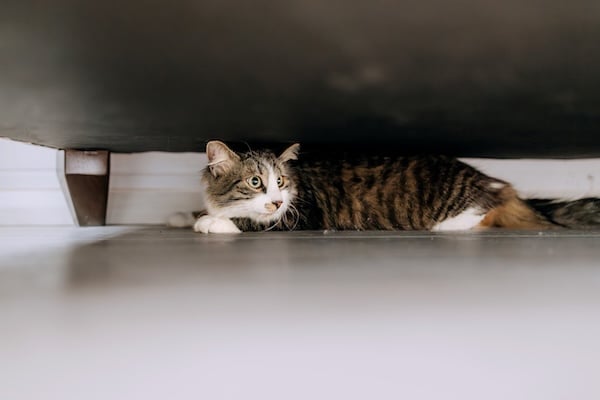
- Create safe spaces. Make sure the cat has access to good hiding spots (e.g., boxes, under the bed). You can also ask the owner if they use calming pheromones, and give the space a spritz when you arrive.
- Don’t linger during drop-ins. If the owner indicates their cat isn’t open to making new friends, limit the time you’re there. Some shy cats don’t want to play or socialize and find it more stressful than being left alone.
- If the cat shows interest, offer your hand for a sniff. If the cat rubs against you or gives you a headbutt, stay still and quiet, and offer an outstretched hand to let them sniff. Once they’re used to your smell, you can offer gentle pets on the head and cheeks for a few seconds to avoid over-stimulation.
4. Use High-Value Treats
Offering treats can be an effective way to get on a shy kitty’s good side. Always clear new treats with the owner first, and then keep these tips in mind:
- Identify the cat’s favorite treats. Ask the owner which treats their cat goes absolutely nuts for. Higher-value treats will have the biggest impact and help build positive associations with your presence. Classic favorites include freeze-dried treats, tuna flakes, or chunks of chicken.
- Toss treats from a distance. Start by tossing treats farther away from you so the cat feels safe enough to grab them. Over time, you can gradually place the treats closer to you—but don’t pressure the cat to engage.
- Offer creamy lickable treats. These “squeeze tube” treats are great for bonding, and most cats love them! For very cautious cats, dispense the treat into a dish. When they’re more comfortable, you can try offering it from your hand.
Pekic via iStock
5. Use Comforting Scents & Sounds
Scents and sounds can be a source of comfort for cats—or a source of stress. To reassure a nervous cat, consider the following:
- Avoid strong fragrances. Don’t show up wearing strong perfume, and avoid using strong-smelling cleaners. Cats can find these smells overwhelming, and they may overpower familiar scents.
- Use familiar scents. Ask the owner if they’re willing to leave a t-shirt or a blanket with their smell on it, and place these items near the cat’s favorite resting spots.
- Play soothing sounds. Try playing soft background music or leaving the TV on at a low volume to mask sounds the cat might find stressful (like a new person being in their space).
6. Keep Litter Boxes Clean
Nervous cats are particularly sensitive to their environment, and a dirty litter box (or a box with too little litter) can make their anxiety worse. If you’re house-sitting, aim for twice daily scooping. If there are multiple boxes, make sure you’re cleaning each one. For longer bookings, ask the owner if you should give the boxes a deep clean.
Keeping the litter box tidy involves:
- Scooping clumps and solid waste and disposing of them in the trash or a litter genie.
- Stirring remaining litter to redistribute fresh particles.
- Topping off the box with a few cups of fresh litter to keep it at an optimal level.
7. Stick To Their Normal Routine
Cats usually feel more at ease when they know what to expect. Ask the owner what their cat’s typical day looks like, including meal times, litter box changes, and when their cat tends to feel most playful (if playtime is in the cards). Maintaining this schedule as best you’re able will help the cat feel better about their owner being away.
8. Get Help If You Need It
If you’re not seeing progress, you can ask the owner for additional pointers on what might make their cat more comfortable. If that doesn’t work, don’t be discouraged. Focus on completing your pet-sitter duties to the best of your ability, ensuring the cat is fed and safe, and their environment is clean. Beyond that, there may not be much more you can do.
If the cat’s behavior raises concerns beyond general nervousness, such as signs of extreme anxiety or aggression, let the owner know. We’re also here 24/7, whenever you need additional help. Don’t hesitate to contact Rover Support at 888-727-1140.