Your Guide to a Successful Cat Meet & Greet
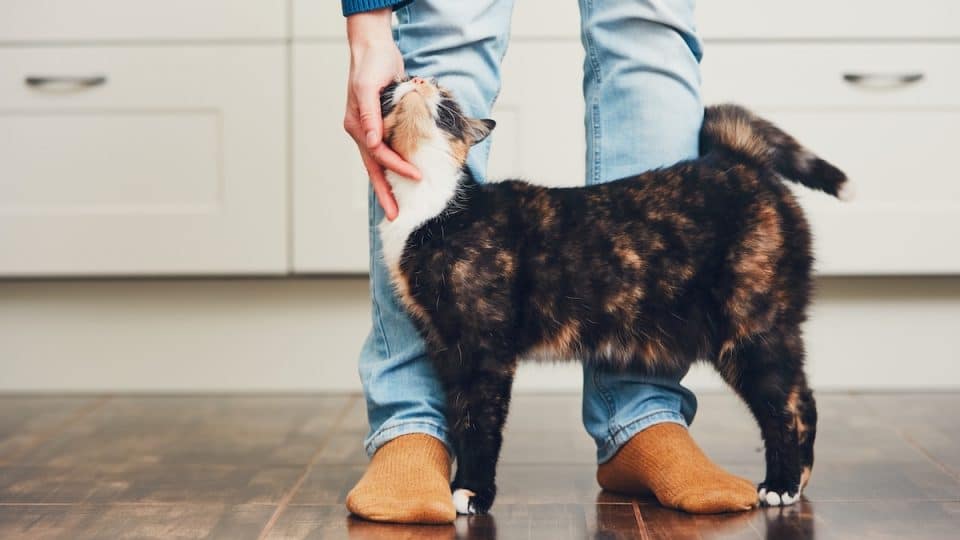
For pet sitters, a cat meet and greet gives you the chance to meet a new cat on their terms, observe their routine, confirm details about their care, and learn more about their personality and quirks (because all cats have them!). It’s a great way to build trust with a potential new client and ensure that their beloved cat is a great fit for you, too.
In this guide, we’ll walk through nine tips for conducting a successful cat meet and greet, including what questions to ask and what information you’ll want to leave with.
Cat Introductions
When meeting a cat for the first time, your goal as a sitter is to create a calm, respectful first impression. Cats usually feel safest when they aren’t rushed or cornered, so avoid approaching too quickly or reaching toward them right away. Instead, adopt a relaxed position and let the cat come to you.
A cat’s behavior can signal whether it’s okay to move forward with interaction. Here’s what to look for:
- Signs of stress: flattened ears, hissing, stiff body, and rapid tail flicking
- Cautious behavior: keeping their distance and moving slowly and tentatively
- Comfortable body language: slow blinking, a relaxed posture, and rubbing against furniture or you
If the cat approaches for pets, stick to the head and cheeks and use short, gentle strokes in the direction their fur grows. If at any time the cat shows signs of discomfort or overstimulation, stop and give them space before trying again.
Food & Water
During the visit, you’ll want to learn more about the cat’s normal routine so you can closely follow it. Having this information will also help you notice quickly if something seems off during your drop-ins or stays.
- Confirm how much to feed. Ask the owner exactly how much food the cat gets per meal or per day (in scoops, cans, etc.).
- Confirm how often to feed. Find out if the cat eats on a set schedule, grazes throughout the day, or has an automatic feeder.
- Determine where food is stored. Note where the cat’s food is kept and whether it needs to stay sealed, refrigerated, or measured with a specific scoop.
- Discuss water bowl setup. Identify where water bowls or fountains are and how often they should be refreshed.
- Ask about daily food intake. Verify how much food should be missing from the bowl on a normal day.
- Ask about daily water intake. Determine what “normal” drinking looks like for the cat so you can identify any changes.
- Clarify stance on treats. Confirm whether you can give the cats treats or if they’re totally off-limits. If okay to give, find out where they’re usually kept and how many are okay to give per visit.

Mariia Borovkova via iStock
Litter Box
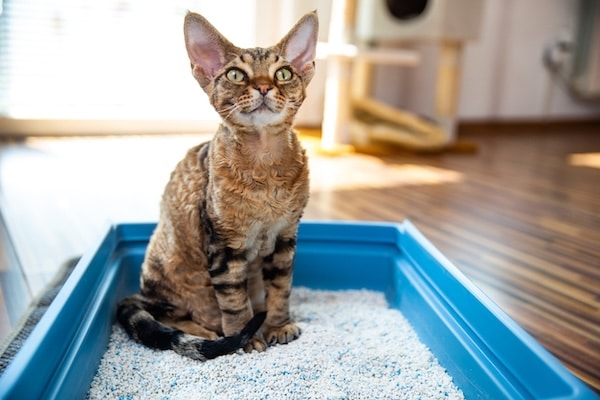
The litter box is one of the most important topics to cover during a cat meet and greet. Knowing where everything is will help you keep the space clean. Knowing what normal litter box behavior looks like for the cat will also help you spot potential health issues so you can notify the client immediately.
- Locate all litter boxes. Confirm how many litter boxes are in the home and where each is located, especially if there are multiple cats.
- Confirm how often you should clean the litter box. Ask how often to scoop (daily, twice daily?) and whether full litter changes will ever be needed while you’re there.
- Find out the location of litter supplies. Make sure you know where fresh litter, the scooper, trash bags, and liners are located.
- Find out the location of household cleaning supplies. Some cats, especially kittens or seniors, are prone to accidents, so you’ll want to know where the cleaning supplies are located, just in case.
- Confirm where the used litter should go. Ask if it should be put in the indoor trash can, outdoor bin, or a specific container.
- Ask about the cat’s health history. Ask the owner to share any history of urinary issues, constipation, or accidents that will make litter box monitoring especially important while you’re watching their cat.
Play & Exercise
Cat parents know their kitties best, so ask about their cat’s energy levels and play style. Some cats are all-in on toys and games, while others are happy just being little loaves.
- Ask how much play and exercise the cat needs and likes. Ask whether the cat would like play sessions—if so, how long and how often—or if they’d prefer to cuddle with you on the couch.
- Find out preferred games and interaction style. If the cat is energetic and loves to play, find out more about what they prefer. Do they like interactive play with wand toys or solo play with a food puzzle?
- Ask where the cat toys are located. Confirm where the toys are kept, which are the cat’s favorites, and which ones should be used during visits.
- Understand toy safety rules. Ask if there are any toys that shouldn’t be left out when you leave, such as feathered toys or strings, which some cats may try to eat.
Schedule & Routine
Cats are creatures of habit. As a sitter, your goal is to stick to their usual routine as much as possible. During the meet and greet, ask the owner about their cat’s normal schedule, taking the following things into consideration:
- How often to visit and how long you should stay. Ask how often you should stop by and how long to stay for each visit.
- Whether the designated drop-in time is enough. Rover drop-in visits start at 30- or 60-minute visits. Ask if that’s enough time for the cat’s specific needs to be met. If not, consider inviting the client to book multiple drop-in visits throughout the day.
- If the owner has preferred times for visits. Ask them about what time of day they’d like you to stop by.
- The cat’s typical activity and sleep patterns. Ask when the cat is typically most active and when they’re likely to be sleeping or less interested in interacting with you.
Health & Safety
Clients hire pet sitters to keep their cats healthy and safe. Here are things to cover during your first meeting, including escaping tendencies, medical concerns, and emergency details.
- Ask about stress triggers. Cats can have anxiety, too. Find out what tends to scare the cat, like loud noises, strangers, crates, vacuum cleaners, etc., so you can help reduce exposure to these triggers.
- Find out if the cat is prone to escaping. Some cats are known for dashing out the door, so find out if there are any entrances you should be extra careful around.
- Learn favorite hiding spots. Ask where the cat likes to hide so you know where to look when you can’t find them.
- Confirm off-limits areas. Clarify where the cat is allowed to go and which rooms or surfaces (like the kitchen counter) are not permitted.
- Ask about any medical issues. Some common cat health problems include urinary concerns, appetite changes, or limited mobility.
- Go over any medications. Confirm the proper dosage and best practices for administering any medications. Have the owner demonstrate while you’re there, so you’re not guessing later.
- Go over emergency contacts. It’s important to have at least one contact on the list who isn’t traveling with the pet parent.
- Verify vet details. Know which vet or clinic to call and what steps to take in the event of an emergency.
House & Security
While you’re there, ask for a quick walkthrough of the home. Here are a few other things to confirm before your first drop-in or housesitting stay:
- Entry into the home. Ask whether you’ll be using a physical key, lockbox, or door code, and what to do if any of those aren’t working.
- Security cameras. Find out if there are security or pet cameras in the home so you know where they are and what’s being monitored.
- Locking up. Confirm which doors and windows should be secured when you leave, and if there are any other procedures you should follow (turning on security before you leave, etc.).
- Neighbors. Ask if the neighbors have been notified that a pet sitter will be coming and going, so they don’t think there’s a stranger in the house.
- Potential visitors. Confirm if any guests, workers, contractors, or cleaners are scheduled to visit the house while they’re away.
- Household tasks. Find out if your client wants you to do any light tasks while you’re there, such as bringing in the mail or watering plants.
CasarsaGuru via iStock
Updates & Communication
One of the most important parts of pet sitting is having a clear communication plan with your clients. A few things to set up during your meet and greet include:
- Confirming what kinds of updates they’d like to receive. If they’re expecting photos or videos, how often should you send them? Would they prefer short updates or longer overviews?
- Setting the communication schedule. Find out how often they want to hear from you (every visit, once a day, or only if something changes).
- Verifying what behaviors to report. Ask if there are specific concerns they want to know about, like whether their cat is skipping meals or seems stressed.
- Confirming which behaviors or situations would make them want to increase your visits. Ask if they would want you to increase your drop-ins and check on them more frequently if their cat is behaving out of the norm.
What If I’m Boarding a Cat?
If a cat will be staying with you, the meet and greet is especially important. It will help you set up a space that feels safe, familiar, and as low-stress as possible.
- Create a comfortable area. Ask the owner if they can bring any of the cat’s favorite beds, blankets, toys, or scratching posts to help them better settle in.
- Find out if the cat is known for escaping. Ask if they’re prone to squeezing through small spaces or bolting through doors and screens to determine if your place is the right environment (or if there are things you can do to make it more secure).
- Ask about boarding history. Check whether the cat has been boarded before and how it went.
- Ask about compatibility with other pets. If you have your own animals or will be watching other pets, clarify how the cat behaves around other animals. That way, you can make plans to keep them separated if necessary.
- Discuss the cat’s tendency to get into things. Ask what the cat is most likely to be curious about and what you might need to put away, like cords, plants, or food on the kitchen counter.
A meet and greet sets the tone for a great cat-sitting experience, and a few smart questions can make all the difference. Use these tips to set yourself (and your feline clients) up for success. And remember, if you need support, assistance is available 24/7 at 888-727-1140.