4 Safety Tips for Dog Sitting in the Summer
While summer brings longer days and sunshine, it also comes with some unique challenges for dog sitters and walkers. The hotter months see elevated risk for dangers like heatstroke, dehydration, paw burns, and escapes. The best way to combat the challenges of the season? Extra preparation and an additional layer of supervision.
Here’s your summer safety checklist to keep your pups safe and comfortable all summer long.
Safety Tips at Home
Whether you’re doing drop-in visits or boarding dogs in the summer, your number one priority is keeping them cool and comfy. Here’s what to remember.
- If you suspect heatstroke, go to the vet immediately. Home measures like cool (not cold) water can help, but professional emergency care is critical.
- Never leave a dog unattended outside. Even the most relaxed pups can become escape artists, especially when they’re in a new environment. And signs of dehydration or heatstroke can come on fast. It’s best to supervise dogs outside at all times, even in a fenced yard or balcony.
- Ask about thermostat settings. For house-sitting or drop-ins, consider asking the owner for instructions ahead of time so you can adjust the AC settings if their dog seems uncomfortable.
- Provide plenty of water. Leave out multiple water bowls, both indoors and outdoors, in case one gets knocked over or emptied. Refresh and refill often. You can also add ice to keep the water cool longer.
- Check for shade. Make sure dogs always have access to shady spots to escape the summer sun.
- Encourage hydration with frozen treats. If the owner is okay with it, consider offering a dog-friendly frozen treat. Or fill a KONG with frozen berries, peas, carrots, or other fruits and veggies as a refreshing and entertaining snack.
- Consider cooling mats or vests. Ask the owner if their dog gets relief from a cooling mat or vest. Sometimes these items require water or freezing before use, so get instructions from the owner beforehand.
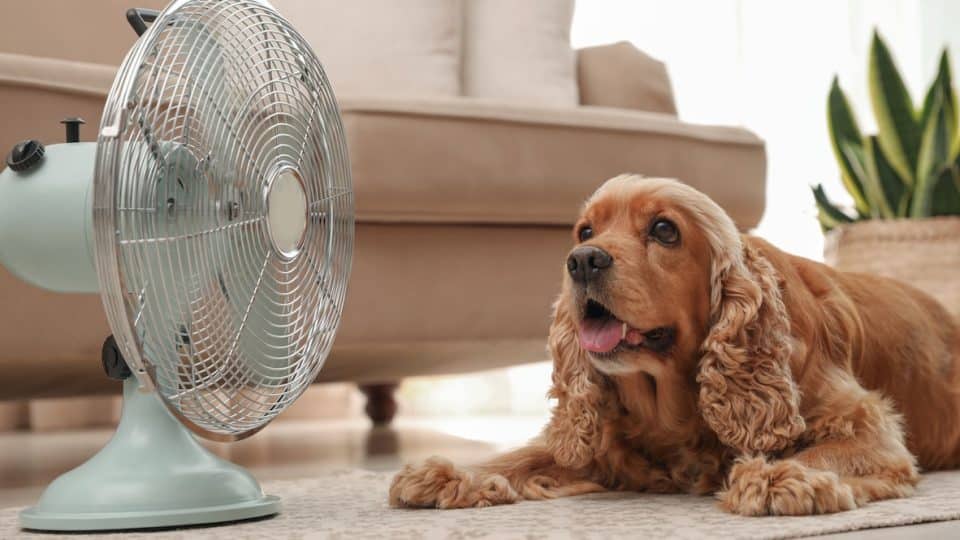
- Keep air circulating. Air conditioning is better than fans, but you can also open windows to create a nice cross breeze. Or place a bowl of ice right in front of an oscillating fan.
- Minimize sunlight indoors. Close the blinds and curtains to keep the house cooler during the hottest parts of the day.
- Set pool and water safety rules. Never leave dogs unattended near a pool, and make sure entrances are always closed to prevent accidents. Always double-check with an owner before you allow their dog to go for a swim.
- Focus on indoor enrichment. When the outdoor temperatures reach dangerous levels, skip outdoor play and walks. Instead, engage your Rover pups with indoor activities and exercise like puzzle toys, snuffle mats, indoor agility, or hide-and-seek.

Summer Safety for Walks
When temperatures soar, you’ll need to take special precautions on walks—and sometimes consider cancelling them altogether.
- Know when it’s too hot to take walks. Temperatures above 90°F are often considered the cutoff for walking dogs safely outside. Consider establishing a temperature threshold for walks and post it on your sitter profile. Discuss this with your clients ahead of time and let them know you’ll switch to quick potty breaks and indoor enrichment during extreme heat.
- Be careful with heat-sensitive dogs. Consider modifying outdoor exercise at even lower temperatures for senior dogs, flat-faced breeds, puppies, dogs with long fur, and dogs with health conditions.
- Ask about a pet’s exercise needs. Owners can help you understand how they usually adapt their dog’s exercise schedule in hot weather.
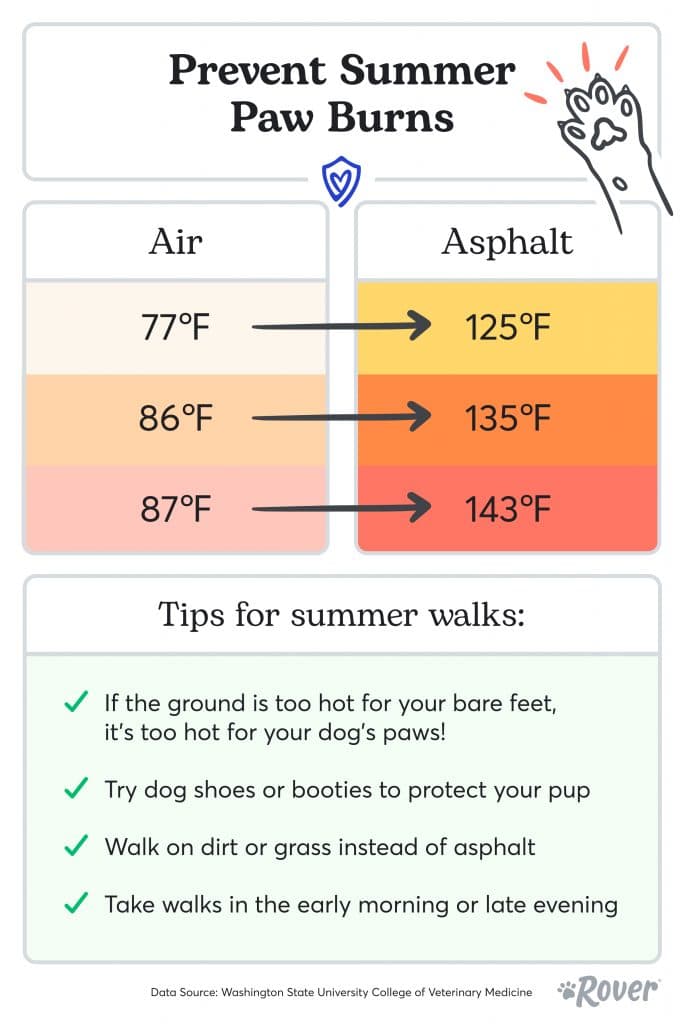
- Time walks wisely. Take walks early in the morning or late in the evening, and avoid midday walks from 10 am to 4 pm. Early mornings are often best because pavement has had a chance to cool down overnight.
- Stay safe in the dark. Walking at night can be cooler, but take care to stay alert, use light-up and reflective gear, and stick to familiar, well-lit paths.
- Shorten walks. Instead of lengthy outings, consider multiple shorter walks to give dogs a chance to cool down.
- Avoid strenuous exercise. Stick to leisurely strolls and avoid arduous activities like running.
- Choose shady routes. Find paths that offer ample shade and avoid direct sunlight whenever possible.
- Check the pavement. Hot asphalt and pavement can burn a dog’s paw pads. If you can’t comfortably hold the back of your hand on the pavement for seven seconds, it’s too hot for a dog’s paws.
- Walk on grass or dirt. When the pavement is too hot, opt for cooler surfaces like grassy areas or dirt paths instead.
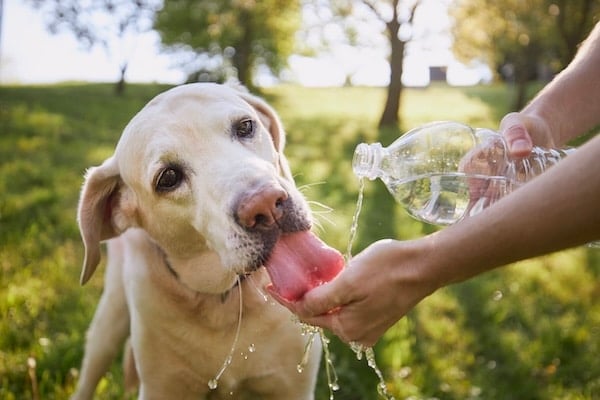
- Take water breaks. Carry a dog-friendly water bottle or a collapsible bowl to provide water breaks every 15-20 minutes.
- Use protective gear. Ask clients if they use booties to protect their dogs’ paws from hot surfaces or sunscreen or sun shirts for areas prone to sunburn.
- Cool down after walks. Implement cooling strategies post-walk, such as offering water, allowing rest in a shady area, or wetting the dog’s feet to help lower their body temperature.
- Consider indoor alternatives. During a heatwave, stroll through the air-conditioned aisles at PetSmart or other dog-friendly stores like Lowe’s or Home Depot (be sure to call ahead and check their dog policies).
Knowing the Signs of Heat Stroke
Heat stroke is serious and can be life-threatening for dogs. Recognizing the signs early makes all the difference. Stay vigilant and watch for common symptoms, including:
- Heavy panting
- Rapid breathing or difficulty breathing
- Increased heart rate with a bounding pulse
- Lethargy
- Vomiting and diarrhea
- Excessive drooling
- A deep red or purple tongue or gums
- Lack of coordination
- Seizure
- Sudden collapse
- Unconsciousness
While all dogs are at risk of heatstroke, certain breeds are particularly susceptible. Dr. Sarah Jenkins, Austin-based clinician and veterinary consultant for Pet Civic, says that brachycephalic breeds, such as Bulldogs, Pugs, and Pekingese, are especially vulnerable because their shortened airways make panting less effective for cooling.
Other high-risk dogs include thick-coated breeds like Siberian Huskies and Chow Chows, senior dogs, puppies, overweight dogs, and dogs with heart or respiratory conditions.
How to take action
If you notice signs of heatstroke, it’s crucial to act fast. “Heat stroke can begin causing organ damage in as little as 15–30 minutes if the dog’s body temperature stays dangerously high,” says Jenkins. Affected dogs should be taken to a veterinarian immediately.
Even if it seems like the dog is recovering, they may be dehydrated or experiencing other complications. A veterinarian can help a dog make a full recovery. If it’s an evening or weekend and the dog’s regular vet isn’t available, go to the nearest animal emergency hospital.
On your way to the vet, offer the dog small sips of cool (not ice-cold) water, and run the car’s AC. You can also place cool, damp towels on the dog’s belly, armpits, and paw pads. Jenkins warns against using ice or ice packs because rapid cooling can constrict blood vessels and slow heat loss. “Controlled cooling with cool water and airflow is safer,” she says.
When you can, give us—and the dog owner—a call. You can reach our Trust & Safety team 24/7 at 888-727-1140. We’re here for you and the dogs in your care.
Chalabala via iStock
Warm Weather Tips for Car Rides
Whether you’re picking up or dropping off, taking dogs to the park, or bringing them to a scheduled grooming visit, it’s important to remember that cars can heat up astonishingly fast. “A parked car can climb more than 20°F in about 10 minutes, even with windows cracked,” Jenkins explains.
Follow these tips for safe summer car trips:
- Never leave a dog alone in a parked car. Temperatures can rise dangerously fast inside a vehicle, even parked in the shade or on days that don’t seem super hot. Always bring the dog with you or have an adult or responsible teen stay in the car with the air conditioning running.
- Pre-cool your car. Blast the AC for a while before the dog enters the vehicle.
- Direct airflow to the backseat. “Many pets overheat simply because cool air never reaches them,” Jenkins explains.
- Use sun shades in your windows. These can help reduce heat buildup inside the car and protect canine passengers from direct sunlight.
- Always pack fresh water. Keep a portable water bottle and collapsible bowl on hand, and take water breaks every hour during longer trips to keep dogs hydrated.
- Ventilate properly. If it’s safe to do so, slightly crack the windows to allow airflow. Don’t open them too far, though, and make sure the dog is secured in the car with a crate or seatbelt harness.
- Monitor the dog’s comfort level. Keep an eye on how the dog is doing during the ride. If they seem restless or uncomfortable, consider stopping to cool them off and offer water.
- Bring cooling accessories. Cooling mats, portable fans, or wet towels can provide relief.
- Park in the shade. This goes for whether you’re waiting with the dog in the car or bringing the dog with you. Parking in the shade can make the car cooler upon your return.
If you ever see a dog left alone in a car on a warm day, please notify store employees or animal control right away. Even if the windows are cracked or the air conditioning is on, dogs still can’t keep their bodies from overheating. Remember: Speaking up may save a life.