Pet Sitter Tips for Caring for Anxious Dogs
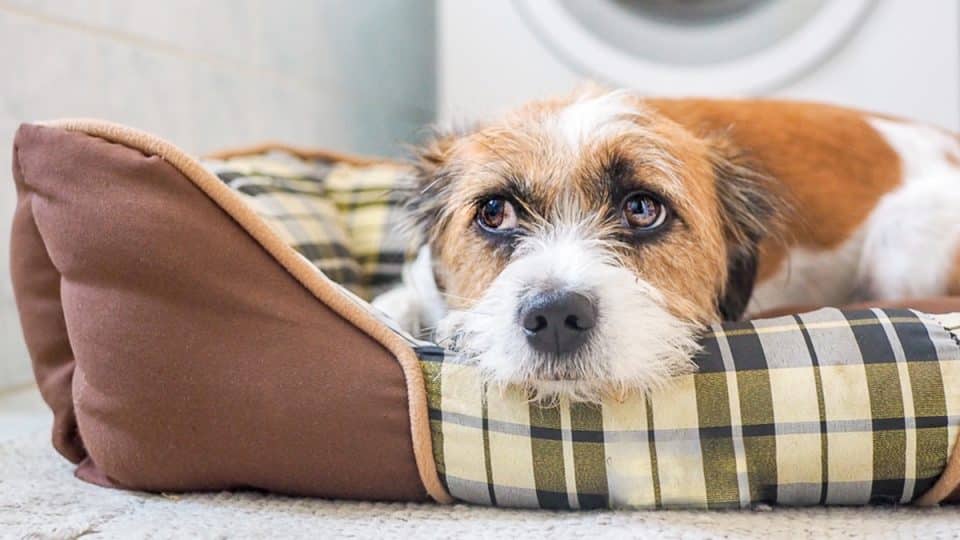
Pet sitting anxious dogs is challenging. It’s hard to see a dog in distress—especially when their anxiety leads to destructive behavior, escape attempts, or frequent barking. Developing a toolkit of strategies for easing dog anxieties can make for smoother stays, a strong profile, and a loyal client base.
In this guide, we’ll run through the different types of dog anxiety you might encounter, plus what you can do to help anxious dogs in your care. We’ll also cover when it might be better to turn down an anxious client.
Anxious Dogs 101
Dogs can experience anxiety for different reasons. Common causes include:
- Trauma & history. Dogs with a history of abuse often experience anxiety, as do dogs who weren’t adequately socialized as puppies.
- Age & health issues. Older dogs can develop anxiety due to cognitive decline or chronic pain.
- Genetics. Some anxious behaviors may be heritable, and certain breeds, like Chihuahuas and Border Collies, are more prone to anxiety.
When pet sitting, you may care for dogs who feel anxious all the time. Or you might care for pups with “situational anxiety,” which means they’re stressed by specific triggers, such as loud noises, unfamiliar faces, or changes in their environment.
Anxiety can look different in each dog, but common signs include:
- Destructive behavior
- Urinating or defecating in the home
- Panting
- Shaking
- Whimpering or howling
- Lip licking
- Drooling
- Pacing
- Hiding
- Excessive barking
- Showing the whites of their eyes (whale eyes)
- Pointing ears down or back
- Diminished appetite
- Over-grooming
Tips for Managing Dog Anxiety
With anxious dogs, a pet sitter’s goal is usually to implement management rather than trying to “fix” the problem. Here’s where to start.
- Maintain the dog’s routine. Try sticking to their regular schedule for meals, walks, potty breaks, and activities. This structure helps the dog know what to expect and provides a sense of stability.
- Communicate with clients. Ask about specific triggers to avoid, and discuss any strategies they use to keep their dog calm. Make sure to get a list of emergency contacts.
- Use calming aids. You can also ask your client if they’ve had success with tools like a ThunderShirt or pheromone sprays.
- Block outside disturbances. If outdoor triggers cause stress, close the curtains and play soothing music or white noise.
- Provide enrichment. Give nervous dogs an enriching activity, like a puzzle toy, frozen KONG, or snuffle mat, to keep their bodies and minds occupied. (Check with their pet parent first to make sure it’s okay.)
- Create quiet spaces. Give anxious dogs a designated area to retreat to when they need a break from stimulation. Make it cozy with a bed, blankets, and favorite anxiety toys.
- Exercise. Physical activities that stimulate the senses, such as scent work or decompression walks, offer an outlet for nervous energy and help dogs relax.
- Use positive reinforcement. Reinforce calm behavior and self-regulation with treats and praise.
- Stay calm. Dogs pick up on the energy of the people around them. Maintaining a calm presence can help your Rover dog relax.
- Be patient. One of the best things you can offer an anxious dog is time to adjust to you and the new environment.
Sometimes the strategies you use while pet sitting might vary depending on an anxious dog’s specific needs and behaviors. Below, we’ll cover different types of dog anxiety, plus the techniques that can help.
Mary Swift via iStock
Separation Anxiety
Separation anxiety means a dog experiences fear when left alone or separated from their humans. Affected dogs may bark, whine, or pace when their people leave. They may also try to escape or inflict damage to windows, doors, or household belongings.
Preparation
Preparation can make watching a dog with separation anxiety less stressful. Before their stay, consider:
- Building trust gradually. Spend some time with the dog while their pet parents are still around, offering plenty of treats and respecting their body language to earn their trust.
- Scheduling practice stays. A short trial stay can help, too. Before longer bookings, schedule a few hours of playtime at home to help the dog acclimate. It’s also a good idea to take the dog on short walks alone.
- Using familiar smells. Ask your client to bring a t-shirt, blanket, or pillowcase that carries their scent. Familiar smells are often comforting to dogs with separation anxiety.
- Prepping enrichment. Fill and freeze a KONG or a lick mat with pre-approved treats ahead of time. You can whip these out when the pet parent leaves to distract and calm anxious pups.
Tips & tricks for management
Make sure you’re up for the challenging of managing separation anxiety by:
- Considering a constant care rate. If a dog requires constant companionship, you might adjust your fees to account for your inability to leave the house or take on other commitments.
- Using barriers to prevent escapes. Consider adding a baby gate to doors with outside access, and avoid leaving the dog alone in a fenced yard.
- Honestly evaluating your time and resources. Separation anxiety can be extremely destructive or difficult to manage, especially with dogs who can’t be alone at all. Carefully consider whether you’re up for taking on the challenge.
Anxiety Around People
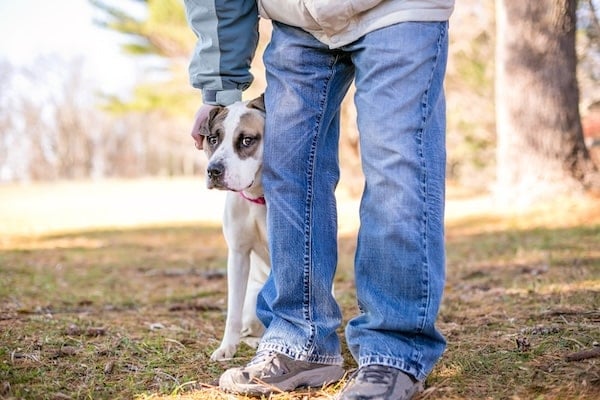
Some dogs are happy and relaxed around their family but experience stress and fear around unfamiliar people. These dogs might be timid around strangers or exhibit more extreme reactions, like aggression. Social anxiety can be even more pronounced when a dog is staying in an unfamiliar home.
Preparation
For dogs who are anxious around new people, relationship building can help smooth the road ahead. Set yourself up for success by:
- Asking the owner to stick around for a walk or a drop-in. Try spending time with the dog while their pet parent is still around so they can get used to you.
- Creating a safe space. Designate a quiet room as a safe haven for the dog when unexpected visitors arrive.
- Practicing child safety. Carefully consider whether this dog is a good fit for a home with children. If yes, make sure any children in the home understand the dog’s need for space.
Tips & tricks for management
Dogs who are anxious around people are often reassured by a cozy retreat and the option to get away. Consider:
- Minimizing interactions with people. Don’t force a dog who’s anxious around new people to interact. If it’s okay to have guests over, make sure they keep a respectful distance and leave the dog alone.
- Avoiding crowds on walks. Take walks during quieter times, like the early morning or late evening, and choose locations with minimal foot traffic.
- Trying alternative exercises. If walks are too stressful, keep your Rover dog active with a round of fetch, tug-of-war, hide-and-seek, or other fun games.
Anxiety Around Other Dogs
Some dogs are scared of other dogs and may have a big reaction when they encounter them. They might bark, lunge, or snap at other dogs, or they may try to move away or hide when other dogs are nearby.
Preparation
If you’re watching a dog who’s anxious around other dogs, consider:
- Scheduling and screening carefully. It may be best to avoid having multiple clients at once.
- Understanding triggers. Anxiety levels about dog interactions can differ—ask ahead of time what kinds of encounters will be a problem.
- Having a backup plan for walks. There may be times when it’s too hard to avoid other dogs outside; ask the owner what other activities and forms of exercise their dog likes.
Tips & tricks for management
Good strategies for managing dog-anxious dogs typically involve protecting their peace by:
- Avoiding peak walking hours and busy areas. Plan walks for the early morning or late at night when fewer dogs are likely to be out.
- Advocating for the dog. Don’t be afraid to tell people your Rover dog isn’t ready to interact with other pets. Have a simple phrase ready, like “Sorry, he doesn’t like other dogs.” No need to over-explain.
- Using distractions on walks. If another dog is approaching, try scattering treats on the ground to redirect your companion’s focus.
- Changing directions on walks. Turn the other way if you see another dog heading in your direction. (Ask your client if their dog has learned management strategies like an emergency U-turn.)
- Trying alternative exercises. Walks aren’t the only way to engage a dog’s body and mind. Activities like fetch or using a flirt pole are great options, especially in a fenced backyard.
- Using Sniffspot. If you don’t have access to a private fenced-in yard, consider using Sniffspot, a platform that lets you rent private backyards.

CBCK-Christine via iStock
Noise Sensitivity or Fear
Loud, unexpected noises like thunder, fireworks, and construction are a common anxiety trigger for dogs. Some pups might even be fearful of everyday household sounds like the vacuum or hairdryer. Noise-averse dogs may hide, pace, or refuse to go outside or in areas where the noise is occurring.
Preparation
Do some soundproofing ahead of time by:
- Finishing noisy projects. That might mean doing the vacuuming before your guest arrives, or carefully scheduling home improvement projects.
- Asking for strategies. If you anticipate loud noises (e.g., fireworks on the Fourth of July), ask your client about strategies like dog earmuffs or other comforting tools that have worked in the past.
Tips & tricks for management
To keep a noise-averse dog calm, try:
- Soundproofing your space. Muffle outside noises by closing windows and doors and playing white noise or calming classical music.
- Using distractions. Offer a puzzle feeder or lick mat, or engage the dog in interactive play to keep their mind off the sound.
- Monitoring behavior. Pay attention to the dog’s reactions. If they seem more fearful when you try to comfort them, step back and give them space.
Crate and Confinement Anxiety
Some dogs become stressed or fearful when in an enclosed space, like a crate, pen, or room with the door closed. When confined, they may urinate, defecate, howl, or even cause injury in an attempt to escape.
Preparation
If a dog has crate anxiety, ask their owner if they have other preferences, like an exercise pen or gated safe area. If the dog doesn’t do well with any type of confinement, consider letting them free-roam and do some extra dog-proofing around the house.
Tips & tricks for management
Dogs with confinement anxiety need thoughtful handling. Some tips:
- Don’t force it. Never force a dog into a crate if they haven’t been properly trained or aren’t comfortable in one.
- Be strategic with the safe area. If leaving the dog in a specific area, avoid small, windowless rooms or spaces that may make the dog feel trapped. Using a gate so the dog is able to see out may help them feel more comfortable.
- Observe the dog. Take some time to see how comfortable the dog is being left out on their own in a dog-proof area. If you have to avoid leaving the home, consider a constant care rate.
Puppies and Fear Periods
Caring for a puppy? You might encounter a fear period. These are a normal developmental stage where puppies become hypersensitive and easily frightened by their surroundings. During this time, a puppy might hide, bark, or react to familiar objects and sounds as if they’re new and frightening.
Preparation
Ask the owner whether they’ve noticed any signs that their puppy is going through a fear period, and if there are any specific triggers to be aware of.
Fear can be unexpected and bizarre (like a sudden terror of garden hoses)—so notes ahead of time can help you know what to avoid.
Tips & tricks for management
A puppy in a fear period can be tricky to manage. Consider:
- Letting puppies explore at their own pace. Resist the urge to push them towards scary objects or situations. Instead, let them take their time exploring their surroundings.
- Rewarding bravery. Encourage curiosity by praising and rewarding the puppy with treats when they explore or exhibit brave behavior.
- Minimizing alone time. If the puppy is particularly anxious, limit the time you leave them alone. Puppies may be especially fearful in an unfamiliar setting.
- Staying calm. Puppies need patience most of all during a fear period. Help them see that the world isn’t so scary by staying calm and even-tempered.
Key Takeaways
Expertise in caring for anxious dogs can make your profile shine and help you build a loyal client base. But it’s important to recognize that these pups need extra effort and patience—and they may not be a good fit for everyone.
As you gain experience working with anxious pups, consider:
- Limiting the number of clients you take on at once. Schedule anxious pets during slow times so you can provide them with the attention they need.
- Adjusting your prices accordingly. Anxious dogs require skilled care and extra time and effort.
- Building in additional screening. Before committing to a booking, always assess each dog’s anxiety triggers and the care they require.
- Saying no when you need to. It’s always okay to say “no” if you’re not sure you’re equipped to handle a particular situation. Knowing your limits isn’t a mark of failure—it’s a responsible approach that keeps everyone safe.