8 Tips for House-Proofing for Pets
House proofing for pets can be a tricky task for sitters. Whereas pet owners only need to consider their own pets’ habits, sitters have to prepare their homes for a diverse range of dogs and cats, all with different sizes, temperaments, and quirks.
It takes some thought and effort, but pet proofing your space can make a huge difference in preventing stressful accidents, protecting your personal belongings, and having a worry-free stay.
To help you in your task, we’ve put together room-by-room checklists, plus a list of breed-specific tips and what to look for when you’re sitting in a client’s home.
Pet-Proofing Tips
Whether you’re caring for a curious puppy, a sweet senior dog, or a playful cat, here are some tips to make your space safe.
- Gather details ahead of time. Before your guest arrives, review their Rover pet profile and ask questions during the meet & greet to focus your pet-proofing efforts. Do they have a history of getting into the trash? Are they inclined to jump, dig, scratch, or chew on items?
- Use gates to block areas. Pet gates and pens restrict access to hazardous rooms like the kitchen, laundry room, or nursery. You can also use gates to block stairs and front doors to prevent escapes.
- Observe pets’ behaviors. As you get to know your new guest, take note of problem behaviors like chewing, scratching, or digging. If you need to step away, consider using a pet cam to identify what attracts their attention and what they’re likely to get into.
- Don’t leave pets alone with toys. Toys are exciting for pets—especially new ones. Some pets may chew them into pieces, swallowing harmful bits in the process. Always supervise playtime with toys.
- Assess your home from your guests’ perspective. Get down on their level and check for items or small spaces that might intrigue pets.
- Secure windows. Ensure all windows have screens—or keep them closed to prevent escapes and injuries.
- Maintain a tidy space. Vacuum and pick up regularly to remove small chewing hazards from your floor.
- Always supervise pets. The best way to prevent accidents is to keep a close eye on your Rover guests.
House-Proofing Checklist
The kitchen, bathroom, and laundry rooms tend to pose the most danger to pets—but there are hidden hazards in every room of your home. It helps to go through your space systematically, taking it one room at a time.
Living room
Your Rover guests will likely spend much of their time relaxing in the living room with you. Make this hub of your home safe for pets with these tips.
- Cover electrical outlets. Plastic plug protectors are an inexpensive fix to keep pets from licking outlets or getting their fur stuck in them.
- Hide electrical cords. Keep electrical cords out of reach or use protective tubing to prevent cord chewing, which could lead to burns, shocks, or even fires.
- Secure curtains. Tie back low-hanging curtains and cords to prevent playful pets from getting tangled.
- Remove toxic plants. Identify and relocate any household plants that are toxic to pets.
- Block the fireplace. Use a free-standing gate or screen to prevent burns or ingestion of harmful items like fire starter logs.
- Cover HVAC vents. Ensure all vents are securely covered with well-fitted grates.
- Put away toys. Children’s toys are easy to mistake for chew toys. Store them out of pets’ reach.
- Move fragile items. Place valuable or breakable items on high shelves or secure them temporarily.
- Clear off coffee tables. Most pets can reach this surface, so don’t leave out remotes or other small items.
- Protect furniture. Consider using anti-scratch tape and washable couch covers to protect surfaces from claws and fur.
Kitchen and dining areas
The kitchen holds a lot of appeal for pets, with enticing aromas, stray crumbs, and bustling activity—but it also holds potential dangers. Here are some ways to make your kitchen pet-safe.
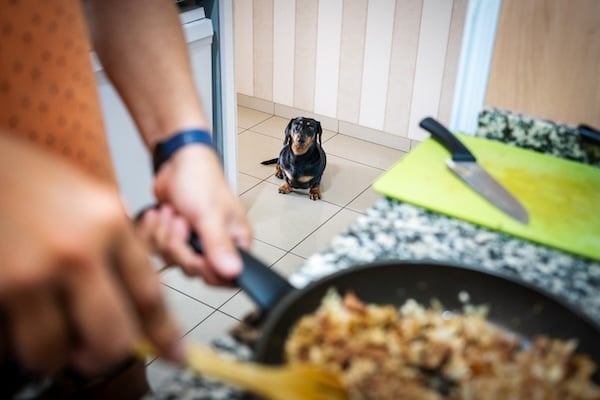
- Keep food off the counter. Avoid leaving out food to discourage counter surfing. If you normally keep items like onions or garlic on the counter, temporarily move them to a cabinet or pantry.
- Secure trash bins. If you’re in the market for a new trash can, opt for a pet-proof model with a latching lid. You can also use locks or store trash bins in a locked cabinet.
- Pet-proof the stove. After using the stove top, fill a stock pot with water and place it on the burner to keep cats from burning their paws. Childproof knob covers prevent pets from accidentally turning on the gas.
- Unplug and secure cords. After use, unplug appliances and keep dangling cords out of reach.
- Store cleaning supplies safely. Place kitchen cleaners and detergents up high or in locked cabinets.
- Add child-proof latches to cabinets. Keep clever pets from accessing lower cabinets by installing inexpensive latches.
- Keep chairs pushed in. Tuck in chairs and stools to keep pets from using them as a launchpad for reaching higher surfaces.
- Seal small spaces. Block any small gaps between appliances where pets could squeeze in and get stuck. You can use old towels or pool noodles for this.
- Stash plastic bags out of reach. Store plastic bags where pets can’t get them to avoid suffocation risks.
-

Carolina Santos Torre via iStock
Bedrooms
Use this checklist to ensure bedrooms remain tranquil sanctuaries for your Rover guests.
- Keep bags off the floor. It’s hard for a curious pet to pass on interesting items left on their level. Hang up purses, backpacks, and gym bags, or keep them in a closed closet.
- Close closets and drawers. Cats and small dogs may hide in open dresser drawers—especially if they’re nervous about staying in a new home.
- Hide laundry. Dogs love the scent of dirty clothes. Keep laundry baskets tucked away in closed cabinets to prevent scavenging.
- Pick up shoes. Like laundry, shoes are a big chew target. Store them in a closet or use over-the-door organizers to keep them out of reach.
- Remove tiny temptations. Small items like jewelry, coins, or hair ties can pose choking hazards. Keep them off your dresser and stored somewhere curious paws can’t reach.
- Secure cosmetics. Put away makeup, lotions, and perfumes.
- Tidy up toys. Store children’s toys in a high closet shelf, a hammock, or a room that dogs don’t have access to.
- Avoid scented products. Candles, incense, and essential oils can irritate pets, so don’t use them while your Rover guests are over.
- Hide electrical wires. Tuck away any exposed wires to prevent chewing incidents.
Bathrooms
Bathrooms are small spaces with big hazards. Here’s how to pet-proof this room.
- Keep meds & cleaning products out of reach. Store all cleaning supplies, medications, soap, and toiletries in cabinets or high shelving.
- Keep the toilet lid closed. An open toilet can attract both dogs and cats. Always close the lid to prevent drinking or accidents.
- Use a toilet paper cover. Consider getting a pet-proof toilet paper cover for dogs who can’t resist unraveling an entire roll.
- Secure trash bins. Bathroom waste bins can be particularly tempting—use trash cans with latching lids or place them on the counter temporarily.
- Remove sharp objects. Razors and nail clippers should be stored out of reach.
- Unplug electric beauty products. After use, unplug and store electronic items like hairdryers or curling irons in a closed drawer or closet.
- Secure rugs and mats. Use non-slip pads to keep bathroom rugs in place.
- Install a gate if needed. If your bathroom is an ongoing temptation, consider using a pet gate to restrict access.
Laundry room
The laundry room can also pose hazards. As you pet-proof your space, be sure to secure the following items.
- Store cleaners up high. Keep laundry detergent and other cleaning products on high shelves or in pet-proof containers.
- Close the washer and dryer doors. Cats may find these cozy spots inviting. Always keep the doors to your washer and dryer shut.
- Dispose of dryer sheets. Throw away old dryer sheets immediately; they can be a choking hazard if ingested.
Garage
It’s easy to overlook your garage. But this space needs pet-proofing, too.
- Secure tools. Store tools in lockable boxes when not in use.
- Store hazardous chemicals safely. Keep antifreeze, motor oil, paint, and other chemicals out of reach or locked away, as even small amounts can be lethal.
- Remove traps. Relocate any rodent or insect traps that could harm your Rover guests.
- Clear debris. Regularly sweep the floor to remove sharp objects or choking hazards, like batteries and nails.
Breed- and Size-Specific Tips
Some risks will apply to certain pets more than others. Below, we lay out various types of Rover pets you might encounter—and how to make your home safe for them.
Small dogs
Key dangers:
- Falls from stairs
- Squeezing through railings
- Getting stuck in small spaces
- Injury from jumping on high furniture
Small dogs are often curious and agile, which makes them prone to getting into tight spots. To house-proof for small breeds, block access under furniture, and ensure baby gates and stairwell banisters have no gaps. If they do, weave pool noodles through the space to seal it off.
Use pet gates to prevent falls down stairs, and consider adding ramps to help small dogs access furniture safely.
Large dogs
Key dangers:
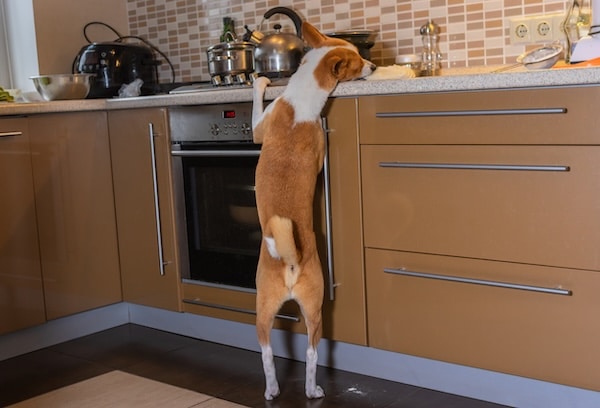
- Counter surfing
- Knocking over furniture or fragile items
- Accessing trash cans
- Drinking from the toilet
A larger breed’s height and weight can introduce different challenges. Don’t leave food or other tempting items on tables or counters where tall dogs can easily reach. Big dogs can also use their weight to knock over trash cans, so it’s smart to add a safety lock to keep dogs from accessing garbage.
Be mindful of fragile decor, as large dogs can knock over items with their tail or excited body movements. Either place these items out of reach or use museum putty to secure them. Big dogs can easily reach the toilet, so always keep toilet lids closed or use a childproof safety lock.
-

Yurikr via iStock
Breeds prone to chewing
Key dangers:
- Choking risks
- Toxicity from ingested items
- Electrical burns or shocks from chewing on cords
- Damaged furniture & personal belongings
Some breeds love to chew, including Pit Bulls, Boxers, and Beagles. If you’ll be watching a chew-happy pup, protect wires with cord covers, and use baby gates to restrict access to rooms with lots of hazardous chewing items. You could also use anti-chew spray on furniture, table legs, and baseboards.
Regularly check toys for wear, discarding any with broken pieces that could be chewed off and swallowed. Finally, provide durable chew toys and long-lasting edible chews to redirect a chewer’s attention away from household items.
Digging breeds
Key dangers:
- Escape under fences
- Injury from escape attempts
- Damage to plants
To protect enthusiastic diggers, ensure your fence line is secure and extends at least 12-24 inches into the ground. If it doesn’t, bury a layer of chicken wire or block soft areas around the fence with rocks. Chicken wire is also useful for creating a barrier around delicate plants.
Consider giving your diggy guests a safe alternative to channel this behavior. A children’s sandbox filled with sand or dirt and buried “treasures” (e.g., toys and treats) can be a real joy to these pups.
Jumping breeds
Key dangers:
- Escaping over fences
- Falls from furniture
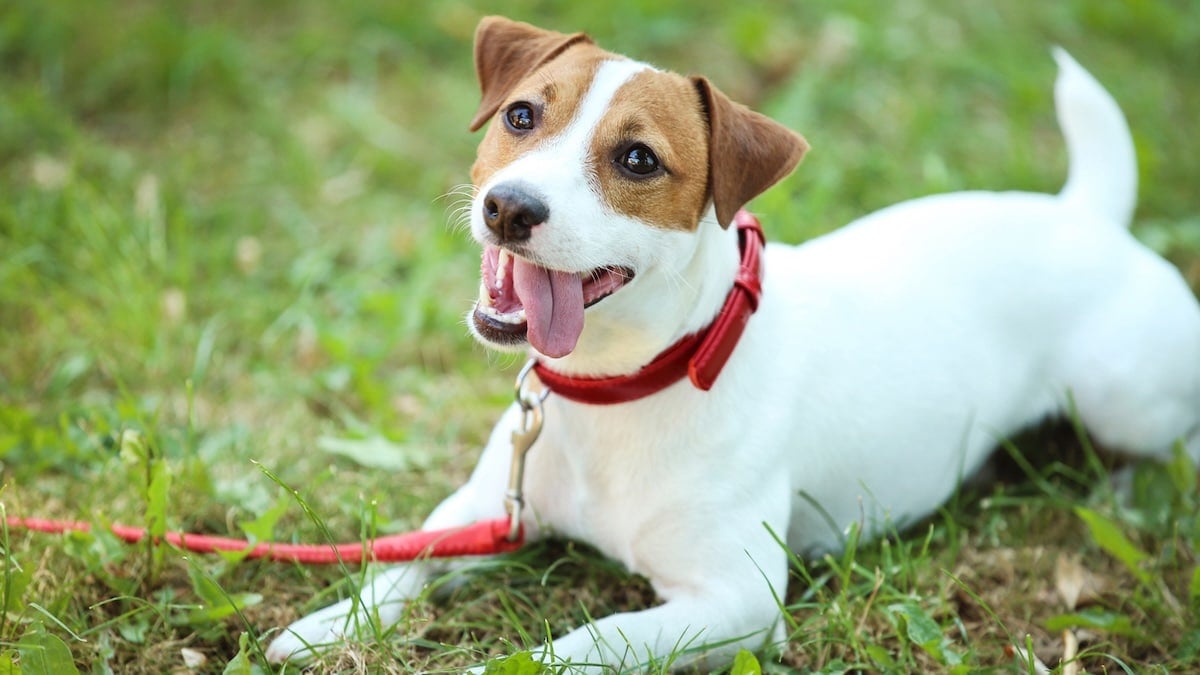
Breeds like Greyhounds and Jack Russel Terriers may surprise you with their jumping ability. Check your fence height and make sure there are no structures (like patio furniture or piles of firewood) that they might use to leap over. Always supervise these athletic dogs near furniture, stairs, or high surfaces to prevent falls.
Puppies
Key dangers:
- Chewing and ingestion of harmful items
- Susceptibility to illness if not vaccinated
- Falls around stairs
- Getting stuck in small spaces
Puppies are endlessly curious—an endearing trait, but one that can lead to trouble. They’re also habitual chewers and will put anything and everything in their mouths. If you’re watching a puppy, be vigilant about keeping floors clear of small items that could become a choking hazard or cause digestive upset. And, of course, keep a close eye on puppies at all times.
Install pet gates to block off stairs and other risky areas. Consider using anti-chew spray on table legs and baseboards, and block or fill any gaps between appliances in your kitchen. If they’re not potty trained yet, you may want to put away small rugs and mats.
Senior pets
Key dangers:
- Difficulty navigating spaces
- Slips and falls
For senior pets, mobility can be an issue. Tape down rug corners to prevent tripping and make sure there are clear pathways throughout your home. Consider using ramps to make furniture more accessible. For senior cats, a low-profile litter box can help accommodate their changing needs.
Cats
Key dangers:
- Getting stuck in tight spaces
- Falling from heights
- Scratching furniture, carpets, or curtains
Cats are skilled climbers, so it’s smart to secure shelves and relocate any items that could fall or cause injury. Make sure your windows have screens, or keep them closed. Keep the toilet lid closed, too.
Consider installing a pet gate at your front door to stop cats from slipping out when visitors arrive. Nervous pets are more inclined to bolt, and cats tend to be fearful when staying in an unfamiliar setting. Address any gaps in furniture where a cat might hide or get trapped. And finally, provide plenty of scratching surfaces to divert their attention away from your furniture and carpets.
What If You’re House Sitting?
Even if you’re staying at a Rover guest’s home, it can still pose dangers—especially if the pet is feeling anxious or upset about their owner’s absence. When their owner is away, pets may act out or get into things they normally wouldn’t.
If you’re house sitting, here are some things to watch out for.
- Food & table scraps. Don’t leave food on countertops, and refrigerate tempting leftovers right away. If the kitchen trash can is under the sink, make sure the cabinet is closed at all times. If it’s in the open, make sure you take any tasty-smelling garbage to the curb as soon as you can.
- Window safety. Nervous pets may attempt to escape through windows, even with screens. Before you leave, close the windows if you can. If you need to leave them open, make sure your Rover pet can’t wiggle through the opening.
- Pet food and medication. Many owners will leave their pet’s food and medication out for your easy access. We suggest storing these in a cabinet or a high place to prevent an accident.
- Medication and supplements. Be mindful of your own meds, too. Keep them secure and away from prying paws.
- Yard security. If the home has a fenced-in yard, walk the perimeter and inspect it for any holes or weak spots. If you’re unsure about the fence’s integrity, keep pets leashed. Even with a solid fence, consider staying outside with pets the whole time—it’s the best way to keep them safe.
Remember, if a pet runs away or gets into something they shouldn’t, it’s important to get help immediately. Rover can guide you through recovering a runaway and connect you with partner organizations that specialize in pet safety. Assistance is available 24/7 at 888-727-1140.