- This post contains affiliate links. Read more here.
- Not a substitute for professional veterinary help.
If you’ve spent any length of time living with a cat, you’re probably not surprised to hear that choosing the right litter box is key to both your and your cat’s health and happiness.
For your cat, a good litter box offers calm and comfort—which promotes good hygiene and prevents stress-induced behaviors and medical issues, like spraying and urinary tract infections. For you, a good litter box can keep your house free from odors, tracked messes, and bacteria.

The best litter box will prioritize:
- Space. Your cat should be able to turn around and dig comfortably. A box at least 1.5 times your cat’s length is a good rule of thumb.
- Accessibility. Top-entry boxes can be difficult for kittens and senior cats to use. Find a box that fits your feline’s age and mobility.
- Cleanliness. Select a box that makes daily scooping and cleaning manageable and fits your lifestyle.
We’ve rounded up the best litter boxes by type, plus the best materials for a litter box and how to pick the right box for your particular cat.
The Best Types of Litter Box
Your cat’s opinion is critical. Also key? Selecting an option that fits your space, budget, and lifestyle. Whether you’re preparing for your first cat or looking to upgrade your current setup, understanding the different types of litter boxes can help you make the right decision.
Open boxes
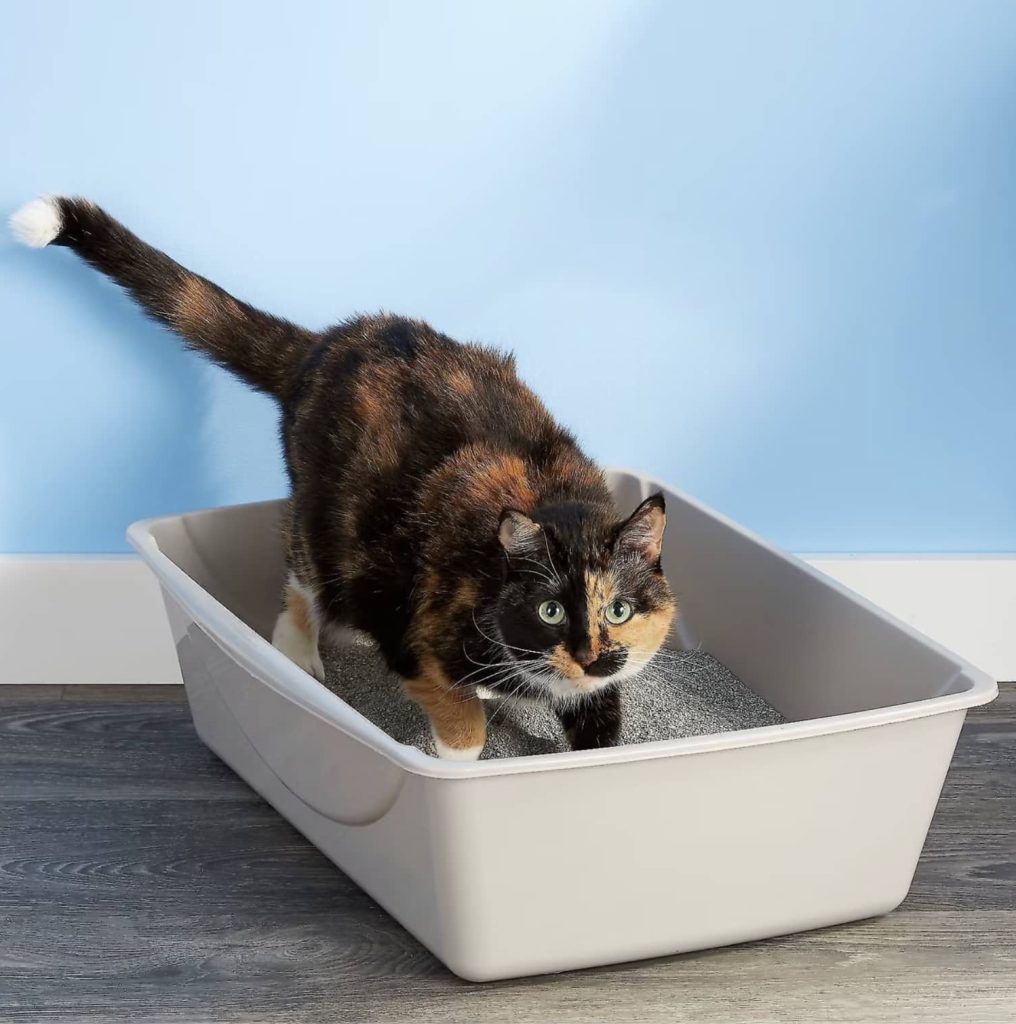
Petmate Litter Pan, Gray, Jumbo
You can’t get more basic than the classic open-style litter box. This simple, no-frills design features an uncovered tray, which appeals to most cats. These boxes usually aren’t the best at containing mess and odor, so a fastidious cat and frequent cleaning are required.
The Petmate Litter Pan is the perfect example of a great basic box that caters to most kitties. If your cat is fairly tidy when doing their business, this affordable standard box may suit them well. Its high walls help prevent litter pebbles from dusting the floor, and the open design provides plenty of space for your cat to turn around and bury the evidence. Made of durable plastic, this box is easy to clean and comes in four different sizes.
Covered boxes
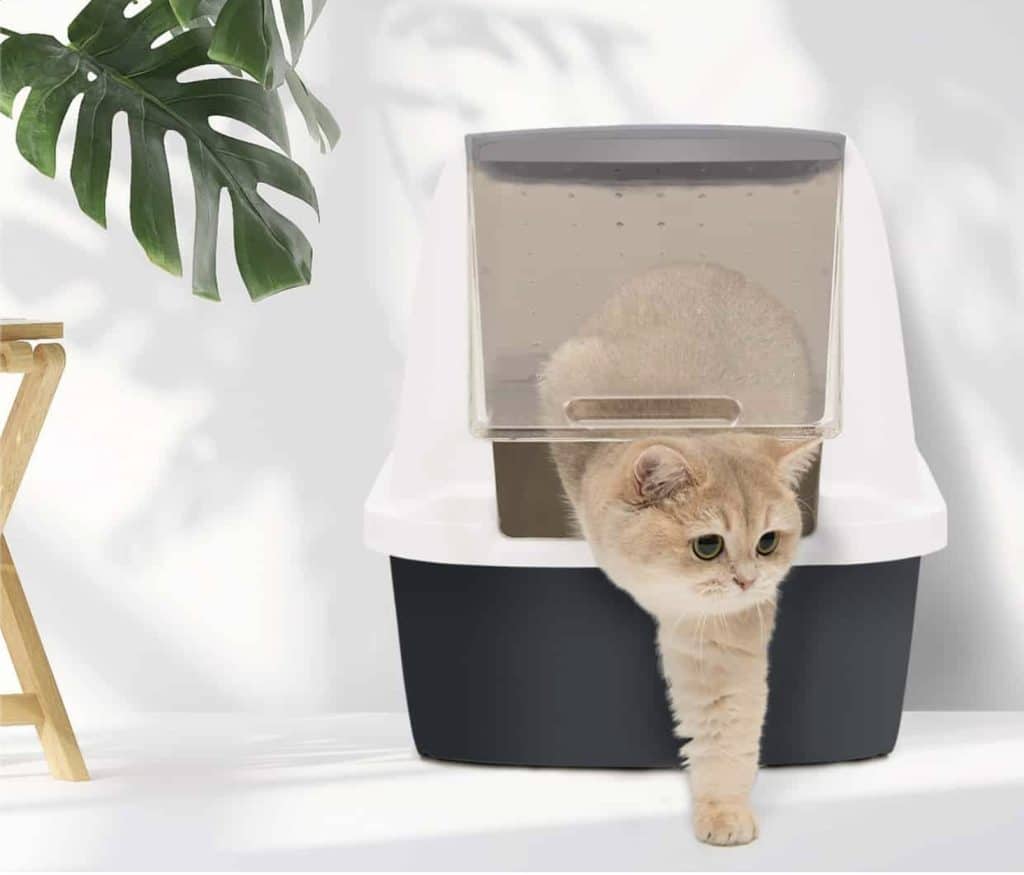
Catit AiRSiFT
Covered boxes are another popular option in the litter box marketplace. Most come in two parts, allowing the top half to detach for easier cleaning and maintenance. While enclosed boxes can be effective at containing odors, dust, and waste, some experts argue that they may not support cats’ natural instincts to see their surroundings while going to the bathroom.
Certain covered models, such as the Catit AiRSiFT, include a paw-friendly door, while others feature open entry on the top or side.
Automatic litter boxes
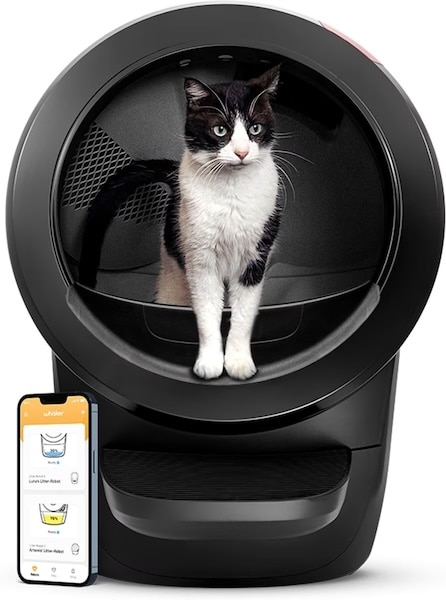
Litter-Robot 4
“Lots of cat owners have trouble keeping the litter box clean and don’t scoop often enough,” says Dr. Jordan Beauchamp, DVM. “Cats like their box very tidy and would prefer it scooped daily or even multiple times a day, which isn’t always possible. Self-cleaning options allow for a constantly clean box and less exposure to bacteria.”
Although refreshing the litter is still required, products like the Litter-Robot 4 take away the hassle of manually scooping waste. It’s also effective at keeping your space free of dust and odors, making it a useful option if handling litter poses health concerns or if you’re frequently away from home. The downside? Some cats may be hesitant to use boxes with higher entrances or unconventional designs, and these models can cost upwards of $600.
Disposable boxes

Kitty Sift’s disposable sifting litter box
Made from recyclable materials, disposable litter boxes like the Kitty Sift can be tossed after use. The Kitty Sift includes one sturdy litter pan and five sifting liners that fit neatly inside. Pet parents can enjoy scoop-free cleaning by simply lifting out the liner, and voilà, the box is clean and waste-free! Disposable litter boxes aren’t a permanent solution, but products with disposable liners make for easy cleanup and are ideal for travel or temporary use.
Furniture-style litter boxes
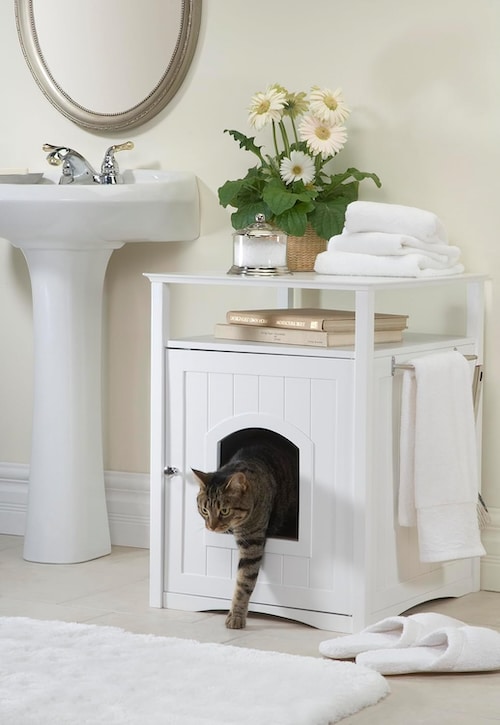
Merry Products Washroom Night Stand
If your cat’s litter box is an eyesore, furniture-style enclosures blend seamlessly into your space. Designed to look like end tables, cabinets, benches, and other household pieces, these chic options make your cat’s bathroom both discreet and stylish.
The Merry Products Washroom Night Stand, for example, offers a modern look while functioning as a litter box. Older cats or picky felines may have trouble warming up to a unique design, but if your cat takes to it, these models are great for hiding a litter box in plain sight.
The Best Materials for a Litter Box
“When it comes to what the box itself is made of, finding one that cleans easily and won’t harbor bacteria is key,” Dr. Beauchamp says. “Look for non-porous stainless steel or plastic. These types of boxes are better for overall health and last longer.”
Stainless steel
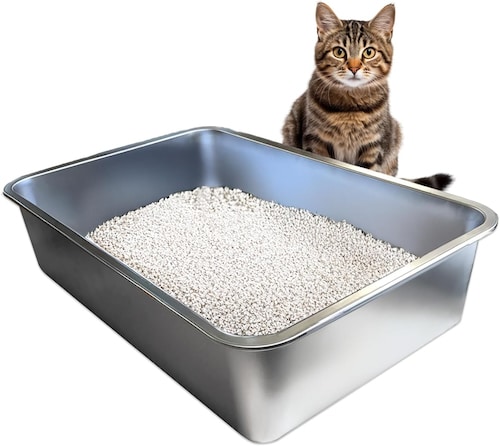
iPrimio Ultimate
Heavy-duty stainless steel litter boxes, like the iPrimio Ultimate, are all the rage, and for good reason. Their non-porous material doesn’t absorb odors the way other boxes can, making them easier to clean (thus less stinky) and extending their lifespan. While you may pay a bit more for a box made from this material, the investment can be worthwhile.
Plastic
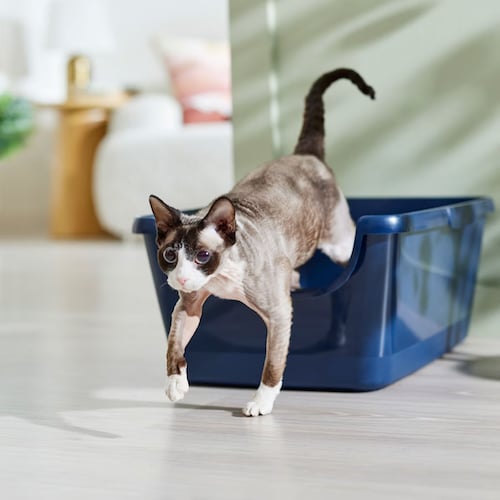
Frisco High Sided Cat Litter Box
Hard plastic is one of the most common materials used for litter boxes and comes in a wide range of shapes, sizes, and price points. Over time, plastic absorbs odors and stains, so you’ll likely have to replace it more frequently than stainless steel.
The good news is that there are a lot of affordable options that won’t break the bank—like this Frisco High Sided Cat Litter Box. This litter box is made of recyclable, BPA-free plastic and offers high sides to contain sprays and keep litter from being flung across the room.
Cardboard
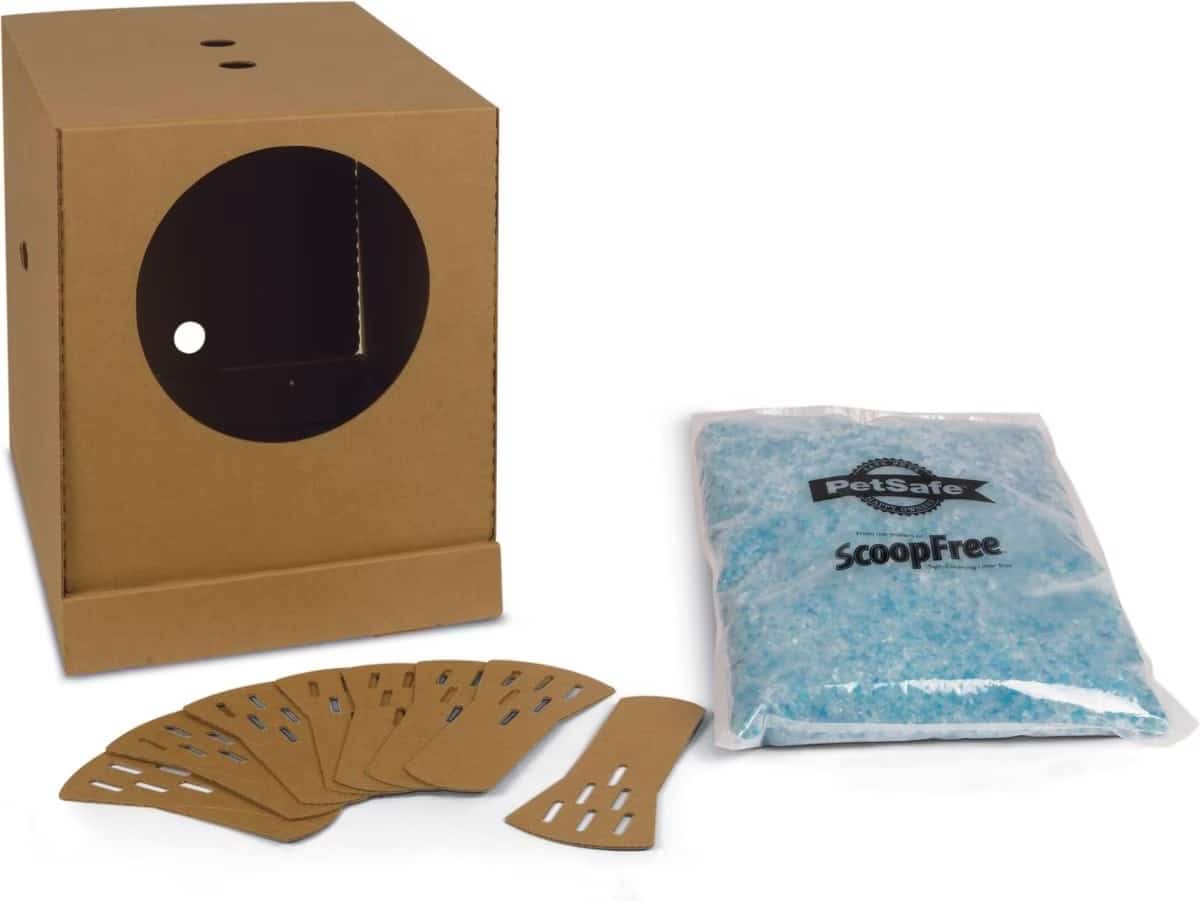
PetSafe Disposable Collapsible Cat Box
Lightweight and eco-friendly, cardboard litter boxes are ideal for short-term use. They range from basic trays to more unique designs, such as the PetSafe Disposable Collapsible Cat Box, which offers a compact, on-the-go design and includes disposable litter scoops. While convenient, cardboard lacks durability and absorbs moisture and odor, so you’ll only want to use it for a temporary solution.
Choosing the Right Litter Box for Your Cat
If you’ve ever given your cat a cozy bed or a fun toy only for them to completely ignore it, you’ll know that felines can be a particular bunch. Your cat’s individual preference and needs will play a role in what type of litter box they find most inviting. Choosing the box that fits their size, mobility, and environment will reduce stress and encourage consistent, healthy litter box use.
Kittens
There’s no need to choose a small litter box that your tiny kitten will quickly outgrow. Instead, focus on a box with a low entrance for easy access. “Kittens may benefit from a litter box inside a larger enclosure as long as it’s low enough for them to get in,” says Dr. Beauchamp. “They can be messy, so creating a tray around their box is always a good idea to catch litter.”
Senior cats
According to Dr. Beauchamp, accessibility is critical for senior cats. “It’s important to take arthritis and mobility into account when it comes to the litter box,” she says. “People often think cats sleep more because they’re old, but painful joints also contribute to this. If getting into the litter box is a physical hurdle, they might start going to the bathroom elsewhere.”
Even healthy seniors may struggle with jumping due to aging joints, making top-entry boxes less ideal—choose a box with easy entry close to the ground for a comfortable experience.
Messy cats
If keeping things tidy isn’t your cat’s strong suit, a litter box with high walls can help contain litter scatter and urine spray. Covered or top-entry boxes can also minimize mess and make cleanup easier, if your cat doesn’t mind the enclosed structure.
You’ll also want a design that’s easy to scoop daily, wipe down weekly (or when needed), and deep clean every two to four weeks.
Multiple cats
If you live in a multi-cat household, follow the N+1 Rule and provide one more box than the number of cats you have to prevent territorial tension (so two cats and three boxes, three cats and four boxes, and so on). “Even if they all still use one that’s their favorite, having the option to use another can cut down on issues,” Dr. Beauchamp says.
To ensure harmony in your home, mix and match the litter box styles to provide variety and suit the preferences of each cat. You’ll also want to place the various boxes throughout your house, rather than in the same room, to ensure there’s always one available.
Homes with dogs
To keep curious snoots out of your cat’s private space, consider a top-entry design. Dr. Beauchamp also recommends placing the litter box in a room or location that’s inaccessible to your dog. If your dog is drawn to cat poop, automatic boxes can help reduce temptation, due to their speedy removal of waste.
Pet parents and cats with asthma
Self-cleaning boxes can be a great help to people with asthma, as they routinely remove waste on their own, so you don’t have to scoop. If an automatic box isn’t in the budget, opt for a well-ventilated stainless steel box and keep it tidy.
Signs You Have the Wrong Litter Box
Deciding on the right box for your cat can be a game of trial-and-error. “From diet to the litter itself, cats are known for being temperamental,” says Dr. Beauchamp. “One thing I like to tell my clients is that it can take some work to find what your cat will use reliably.
Here are some clear signs that your cat isn’t happy with their current litter box setup.
- Eliminating just outside the box. Cats may peep or poop right outside the box in protest because of a feature they don’t like—such as a hood or an entry that’s too high.
- Bolting when leaving the box. Cats who dart out of a litter box after using it likely feel unsafe. They may feel trapped in a covered model or not have an easy exit point to “escape a predator” (aka an annoying fellow pet).
- Scratching the sides. Your cat likely doesn’t have enough space in the litter box to bury their waste.
- Avoiding the box entirely. Something about the litter box is extremely displeasing to your cat. Perhaps it’s dirty, or its materials have trapped odors inside over time.
Troubleshooting
If your cat isn’t using their litter box, try these troubleshooting tips:
- Check that the box offers enough space for your cat to comfortably turn around and dig
- Swap out a covered box with an open-style pan
- Move the box into a different room (ideally with low traffic)
- Try switching the type of litter
- Clean the box more frequently
If these changes still aren’t making a difference, a trip to the vet will help determine any underlying health issues or other factors at play. Don’t despair if your feline doesn’t take to a new litter box right away; creating the right bathroom setup is worth the work and will ultimately keep everyone healthy and happy!