Pet Sitter Tips for Preventing Pet Escapes
When you’re caring for someone else’s pet, preventing escapes can take a lot of prep work. Every dog and cat is different. Tiny dogs can squeeze through small gaps, athletic pups can jump over fences, and clever cats can slip past your ankles through the door.
Add to that the fact that behavior is hard to predict—even pets who have never tried to run off in the past might behave unpredictably in a new environment or with a new pet sitter.
In this guide, we’ll walk through practical tips to keep dogs and cats safe, whether you’re walking them, boarding them in your home, or house sitting in theirs. We’ll help you look around corners, prepare for the unexpected, and feel confident that you’re doing everything you can to keep every pet safe and secure.
Seek Information Ahead of Time
A meet and greet is a great time to learn about a pet’s habits, stress levels, and any past escape attempts so you can set up a safe, smooth stay from the start.
Here are helpful questions to cover:
- Has this pet ever escaped before? How did it happen? Knowing what’s happened in the past helps you watch for the same patterns.
- Does this pet experience anxiety or reactivity? What sets it off? Stress can make pets bolt, so it’s helpful to know about triggers ahead of time.
- Is this pet spayed or neutered? Unaltered pets may be more likely to roam, especially during walks or yard time.
- Does this pet have a strong prey drive? Dogs and cats who love to chase may try to chase after squirrels, birds, or anything that moves fast.
- How does the pet react to the doorbell or people coming and going? Doorway excitement is a common escape moment.
- How reliable is their recall? It may be best not to count on recall—but it’s helpful to know what cues a pet owner uses just in case.
- What treats or rewards work best to get their attention? High-value rewards can convince a pet to come back to safety in the event of an escape.
- Do you use baby gates or other barriers at home? Some pets respect gates, while others jump over them.
- Can we check the fit of their harness and leash together? A secure fit helps prevent slipping out during walks or backyard time.
- Do they have any triggers when they’re on walks? Things like bikes, other dogs, loud noises, or certain people can cause a pup to pull, panic, or try to run.
- Is this pet microchipped and wearing current ID tags? If a dog or cat does get loose, up-to-date identification can help you get them back home quickly.
Tips for Secure Dog Walking
When you’re out on a walk, preventing escapes often comes down to being prepared and aware of your surroundings.
Here are some helpful tips to keep in mind:
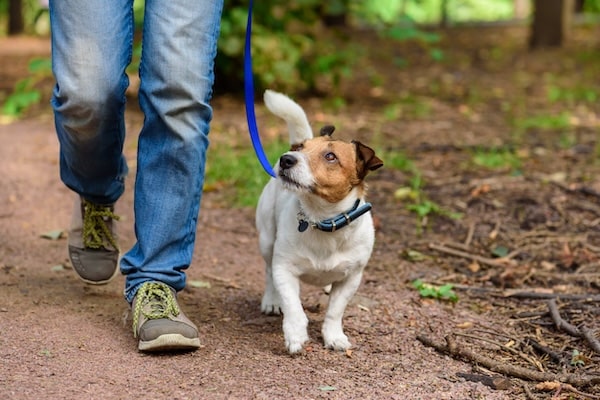
- Keep dogs on leash at all times. Even well-trained dogs can get spooked or overexcited.
- Check that the dog’s harness and collar fit properly. Use the “two-finger rule.” You should be able to slide two fingers under it, but not more.
- Stay alert and minimize distractions (like phone or headphones). Keep your attention on the dog and your surroundings. Being distracted could delay your reaction time.
- Make sure the collar has ID tags attached, and keep it on.
- Use the right leash and harness setup. Sturdy nylon or rope leashes work best, with a long-line for explorers. Consider avoiding retractable leashes.
- Be mindful of known triggers. If a dog has high prey drive, skip wooded areas to avoid wildlife. If they’re reactive to other dogs, stick to less busy routes.
- Carry high-value treats. They’re great for redirecting attention, rewarding calm behavior, or helping a nervous dog feel more secure on a walk.
- Stay alert during transitions (elevators, car doors, etc.). Most escape attempts happen in a split second, so take extra care when your hands are full.
alexei_tm via iStock
Dog Boarding & Daycare
When you’re caring for a dog in your own home through daycare or overnight boarding, preventing pet escapes might take a little extra planning. Here are some tips for keeping dogs secure in your home.
Around the yard
- Don’t leave a dog outside unsupervised. Even in a fenced yard, dogs can find ways to slip out.
- Check your fence line for weak spots. Look for objects dogs could use as a springboard to jump over (like firewood or a chair), gaps between boards, or soft dirt they could dig under.
- Use child-proof locks on gates. Consider getting a dog-proof gate latch to add an extra layer of security to your yard.
- Leash dogs if you’re unsure. If you’re not certain if a dog could jump the fence or squeeze through a gap, keep them on leash for all potty breaks and outdoor trips.
Inside the home
- Use gates or pens to block access to doors. This gives you a buffer zone: even if a door opens, the dog can’t make a break for it.
- Keep windows closed. Open windows, especially low ones, are a common escape route.
- Watch out for crate escapes. Some dogs can slip out of crates when stressed, so make sure any area they escape into is fully dog-proofed and safe.
- Talk with all household members about safety. Everyone should know how to handle doors, gates, and leashes to prevent accidental escapes.
- Keep dogs on leash when visitors arrive. Excitement or nervousness can trigger a dash for the door.
- Block sights and sounds of triggers. Cover windows or create visual barriers if a dog reacts to neighbors, wildlife, or other dogs.
Extra tips
- Increase enrichment and exercise. Bored or under-stimulated dogs are more likely to try to escape. Frequent walks, playtime, and mental stimulation help reduce this risk.
- Monitor interactions with other pets and people. Even friendly dogs can be unpredictable around new animals or people, so supervise them just to be extra careful.
Dog Drop-Ins & House Sitting
Even in the comfort of a pet’s own home, there is still a risk of them escaping. Pets sometimes get extra anxious when their owners are away. For sitters doing drop-ins or house-sits, a few extra checks can make a big difference in preventing pet escapes.
- Walk the yard and check the fence before letting any dog out.
- Ensure all gates are closed, latched, and secured before letting a dog outside.
- Don’t leave dogs outside unsupervised—even if the yard is fenced or the owner says it’s safe. Consider keeping potty breaks on leash if you’re uncertain about the security of the fence.
- Keep windows and doors closed. Window and door screens aren’t always strong enough to prevent a dog from escaping.
- Treat the door like a potential escape hazard. Bring the dog into a quieter, secure area before you open the main door to come and go.
- Get clear instructions and emergency contact info—including someone who isn’t traveling with the owner.
- Consider a “settling-in” period before leaving pets alone. Sudden changes, like a new person in their home, can sometimes trigger escape attempts in stressed pets.
xeipe via iStock
Cat Drop-Ins & House Sitting
Because cats are naturally curious and hardwired to explore their territory, preventing escapes takes a little extra awareness. As a sitter, you can help redirect that urge by giving them more interesting options inside.
- Set up a cozy spot away from the exit. A cat tree, window perch, or comfy bed plus a few treats, toys, or a sprinkle of catnip can make it appealing. Whenever the cat chooses this spot instead of hovering at the doorway, reward them so they learn it’s the best place to be.
- Toss treats away from the door when you enter or leave. This can help give you a few seconds to come in or out without a cat trying to slip between your feet.
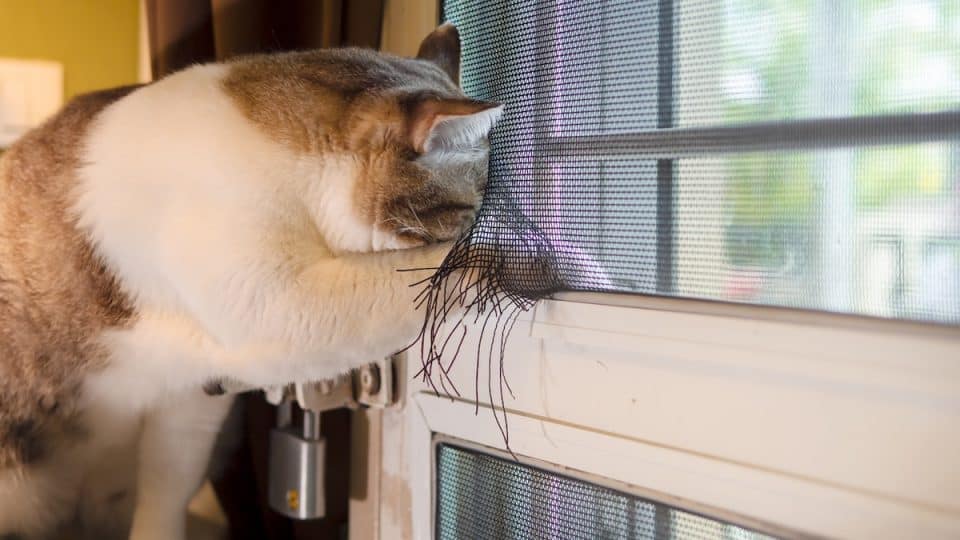
- Keep windows closed and don’t rely on window or door screens. Cats can use their sharp claws or teeth to rip through screens and squeeze through.
- Check that the cat’s ID is secure and up to date. A tear-away cat collar together with a microchip are good safety measures.
Breed- and Size-Specific Tips
Some dogs are more likely to try to escape because of their breed traits, past experiences, or separation anxiety. Below are a few escape dangers to watch for when it comes to specific types of dogs.
Dogs with separation anxiety
Key dangers:
- May bolt the moment someone leaves the house or yard.
- Could linger just outside the fence or door because they’re looking for their owner and make a quick escape.
- May repeatedly attempt escape if frequent absences or changes in the home trigger stress.
For dogs with separation anxiety, one of the best things you can do is focus on comfort first. A calmer dog is far less likely to look for an escape route. Create a safe space, whether it’s a crate, a cozy room, or a quiet corner, paired with familiar items like toys or chews.
Keep potty breaks on leash, and avoid leaving them for long periods. Increasing daily walks and mental stimulation can help reduce anxiety.
Dogs with noise triggers
Key dangers:
- Loud noises or sudden sounds may cause a dog to panic and try to escape.
- Common triggers include honking horns, fireworks, thunder, and sirens.
- Loud noises may be worse in urban environments or apartment homes.
On days when noise triggers are more likely (storms, fireworks, construction), try to keep noise-sensitive dogs indoors in a secure, calm space. You can also use sound-masking techniques like music, white noise, or a running television to help muffle loud sounds. During storms or fireworks, consider closing the blinds or curtains to provide a visual barrier.
Breeds with high prey drive
Key dangers:
- Spotting small animals, bikes, and cars may trigger intense chasing instincts.
- A prey-driven dog might jump gates, bolt through fences, pull on the leash, or dig to try to get to what they see.
Prey drive tends to be much stronger in dogs bred solely for their hunting or herding abilities, like Terriers, Border Collies, and Beagles.
With these pups, consider avoiding paths with lots of wildlife. Use a short, secure leash, and consider increasing regular enrichment and exercise to prevent pent-up energy from turning into an escape mission.
Digging breeds
Key dangers:
- Look out for loose soil along the fence line.
- Check areas where the ground is soft or eroding.
- Regularly inspect for gaps forming under the fence that could become escape routes.
Some breeds, like Dachshunds and Terriers, have digging in their DNA, so it’s a good idea to keep an extra close eye on them in the yard. You can create a designated digging area with sand and toys buried in it to distract them instead. You can also lay heavy objects like rocks along the bottom of the fence for an extra layer of safety.
Jumping and climbing breeds
Key dangers:
- Certain dog breeds are more likely to jump over or climb standard fences, especially if they have something to launch from.
- Stacked objects, furniture, or garden items near the fence create springboards.
- Horizontal fence boards or chain-link fences can be easier for dogs to climb.
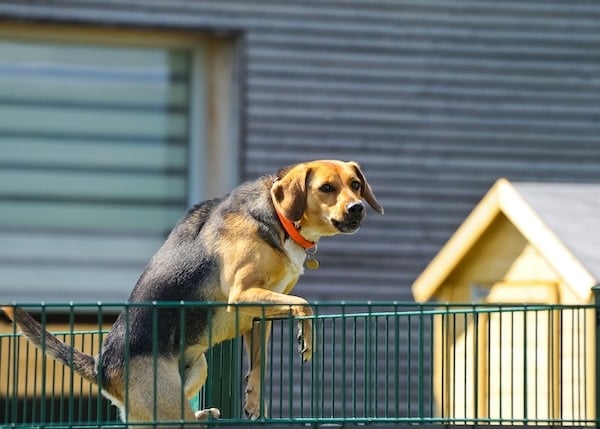
For natural jumpers and climbers like Greyhounds, Jack Russell Terriers, and many herding breeds, keeping the yard “unclimbable” is a big part of preventing them from escaping. Remove any furniture, wood piles, benches, or objects near the fence that the dog could use to jump over the fence. If you can’t remove these items, consider keeping potty breaks on leash.
If a Pet Does Escape, Act Fast
If a pet does escape, it’s important to get help quickly. When you call Rover, you get advice on the best techniques for quickly recovering your runaway, and also the assistance of our partner organizations that are experts in pet safety. We’re here 24/7 at 888-727-1140.