3 Tips for Keeping Pets Calm During Fireworks
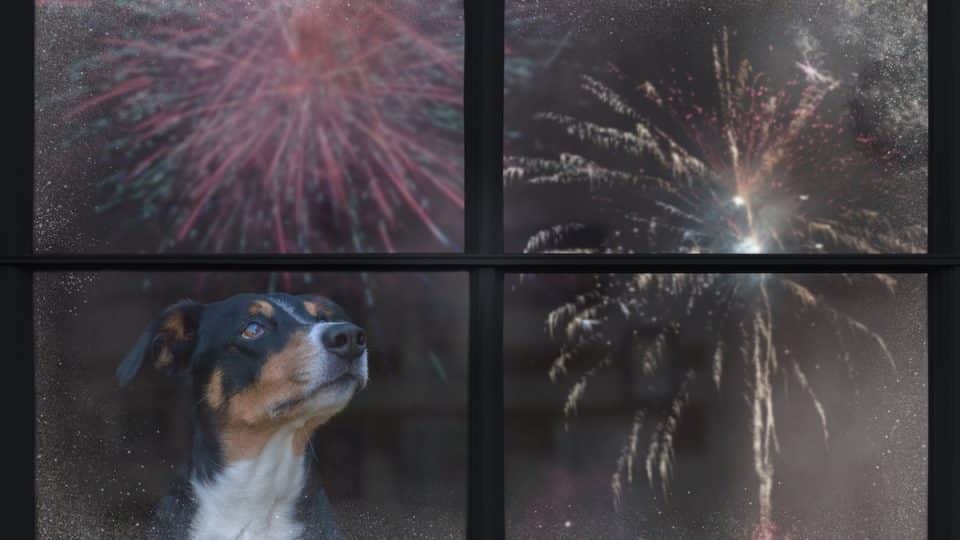
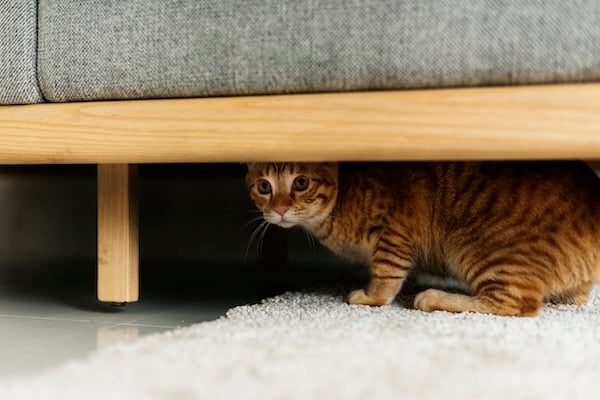
For lots of people, fireworks are a festive occasion—but for pet parents and pet sitters, they can also be a source of stress. Lots of pets find fireworks terrifying, and even mellow dogs and cats can be frightened into stress behaviors like hiding or making a break for it.
To keep your Forth of Julys and New Year’s Eves as peaceful as possible, we’ve rounded up our best firework safety tips for pet sitters, from prep work and escape-proofing to calming techniques for the night itself.
1. Gather Info on How Your Rover Pets Might Respond To Fireworks
If you’ll be pet sitting during or around a holiday that regularly sees fireworks, doing some research ahead of time can be a huge help. To gather info, review your Rover pets’ profiles, come prepared with questions for the meet and greet, or send a quick message to the owner.
Here’s what to find out ahead of booking:
- How a pet has responded to fireworks in the past
- What kinds of noise sensitivities they have and how they typically respond
- What kind of environment they might like to retreat to if fireworks are frightening
- What kinds of things calm them in stressful situations
- If there are any anti-anxiety medications the owner typically offers, plus the dose and how far in advance of fireworks to offer it
Here’s what a sample message might look like: “How does [pet] typically respond to fireworks? Are there any extra steps I can take to make sure they’re comfortable? What has worked in the past?”
How does knowing ahead of time help?
Even if a pet doesn’t usually have issues with fireworks, that doesn’t necessarily mean you’ll have smooth sailing. Different situations—like a new environment, closer fireworks, or health changes—can alter a pet’s response to loud noises. Knowing how to help if you need to can be a big relief.
Learning a pet’s firework care needs ahead of time can also help you decide if you’re equipped to take them on. For example, you might not be up for offering constant care or medications during the holiday, and that’s okay. It’s better not to book than to put yourself in a difficult situation.
Rawpixel via iStock
2. Pay Extra Attention to Escape-Proofing
The Fourth of July is the highest-risk holiday for pet escapes, and it’s not hard to see why. Firework-induced panic can cause pets to bolt through doors and windows or chew through leashes. A 2014 ASPCA survey revealed that nearly a fifth of lost pets escaped as a result of fear from fireworks or loud noises.
Here’s what you can do to escape-proof your area against firework scares:
- Stay inside. For anxious pets, plan on staying in—being out with a dog during fireworks can increase the likelihood of an escape.
- Get plenty of exercise and play ahead of time. A well-exercised pet will have an easier time staying calm.
- Check collar fit and tags. Make sure your Rover pet’s info is up to date and their collar with their ID is secure.
- Put up gates. Pet and baby gates are an excellent option for pets who might sneak past opening and closing doors.
- Keep windows closed. This helps minimize noise and prevent escapes, especially for cats. It’s also a good idea to close any curtains or blinds.
- Lock up. Double-check that doors, windows, and backyard gates are secured and locked.
- Take potty breaks early. Try to keep the backyard off-limits during the evening. Consider earlier meals so that dogs can potty before the fanfare starts. If you have to take a potty trip, make sure dogs are closely supervised and on a leash.
- Create a plan. If there are other people in the house, discuss firework protocol with them ahead of time.
- Stay with the pet. It’s best to stay with the pet and not leave them home alone, especially if you’ve been given a heads-up that they might be anxious.
If a pet does get loose, it’s important to get help right away. When you call Rover, you get advice on the best techniques for quickly recovering your runaway, and also the assistance of our partner organizations that are experts in pet safety. We’re here 24/7 at 888-727-1140.
fotyma via iStock
3. Set Up a Cozy Space
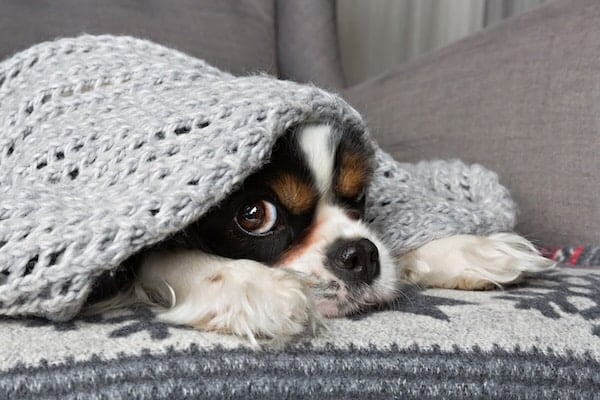
Once you’ve escape-proofed the perimeter, the next step is to set up a secure, cozy space for anxious pets. Even if you’re not sure you’ll need it, consider getting one ready—just in case.
Here are some ways to create a cozy, safe space for anxious pets:
- Pick the quietest room where pets will be least able to see or hear fireworks. This is often in an interior, windowless space or basement, but closets and bathrooms can also work in a pinch. If your room does have windows, make sure they’re closed and covered to minimize noise.
- Pet-proof this room carefully. Very stressed pets can behave unpredictably—chewing on things or becoming destructive in ways you and their owner might not anticipate. Less is usually more in a safe space.
- Add a favorite bed and blanket. Arranging these in a crate or fort setup can help some pets feel safer. Don’t forget to add a litter box for cats.
- Play white noise or soft music, or set up a loud fan or television to cover up noise. You can also try covering up the noise with the old tennis-balls-in-the-dryer trick, so the pet focuses on that and not the fireworks.
- Offer treats, chews, and puzzle toys as distractions, but keep a close eye on them in case a pet becomes destructive. Frozen KONGs and lick mats promote self-soothing behaviors for dogs and cats alike.
- Try your best to stay calm. Stress feeds stress. Reassure anxious pets with a calm voice and gentle strokes for pets who like snuggles.
If you’re having a tough time keeping Rover pets calm, Rover Support is here to help. Get advice 24/7 at 888-727-1140.