Tips for Pet Sitting a Dog With Storm Phobia
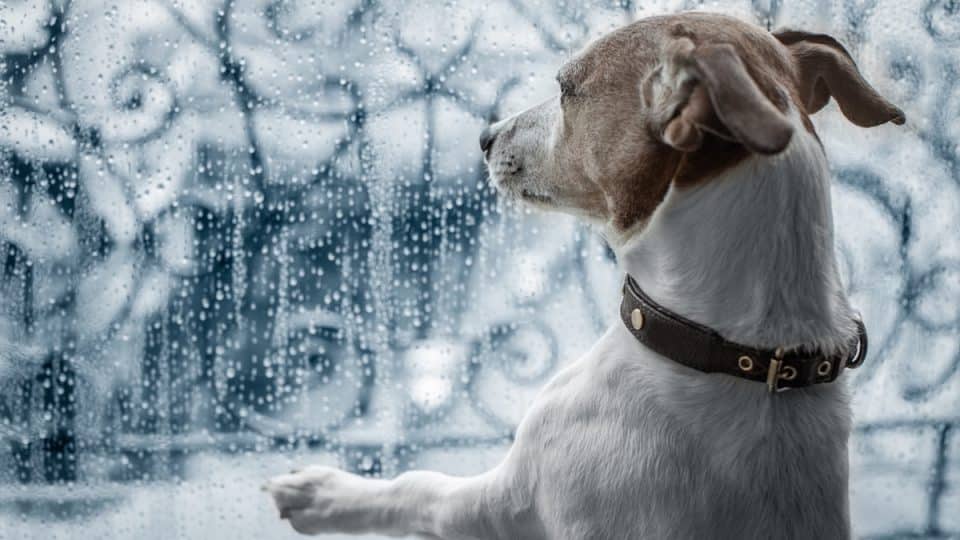
If you’re pet sitting a dog who hides, whines, pants, paces, has potty accidents, or tries to escape when they hear rain or thunder, they likely have storm phobia.
Genetics can cause this elevated fear, but so can a lack of positive exposure to storms and loud noises during a dog’s critical socialization window. It’s a common experience for lots of dogs. In one recent study that assessed over 1,300 dogs, 43.6% exhibited fear of thunder.
So what should you do when caring for a dog with storm phobia? In this guide, we’ll cover how to make fearful dogs more comfortable during storms.
Communicating With the Owner
Strong communication is important when it comes to pet sitting, especially in cases involving storm phobia.
If storms are in the forecast, it’s a good idea to notify your client. You can send updates on their dog’s behavior, appetite, and the steps you’re taking to calm them down. Short, clear messages (and a photo, if possible) can help reassure an owner that their dog is in good hands.
You can also ask your client some helpful questions about their dog’s care:
- How does your dog typically react to storms?
- What early signs of anxiety should I watch for?
- Where does your dog feel safest (crate, bathroom, closet, near people)?
- Are there specific calming tools or techniques you use (white noise, ThunderShirt, music)?
- Has your vet prescribed any medication? When and how should it be given?
- Is your dog ever destructive or likely to try to escape during a thunderstorm?
Create a Safe Spot
Many dogs look for a “safe zone” when they sense bad weather is on the way. You can help by making sure there’s a comfortable place for them to go when they’re afraid.
Good options for a safe spot include:
- Interior bathrooms or closets (no windows)
- Basements or lower levels
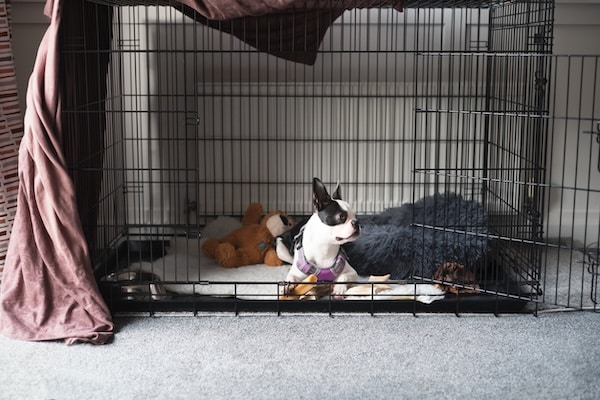
- A covered crate (door left open)
- A quiet bedroom away from exterior walls
Ideally, the space will be insulated from noise and softly lit. You can add familiar bedding and a favorite toy to try to comfort the pup as well.
If the dog prefers a crate, keep the door open unless the owner instructs otherwise. Some dogs feel secure in their crates, but forced confinement might make them panic.
Block Out Noise
Thunder is loud and unpredictable. For many dogs, that sudden boom is what triggers panic.
Here are a few ways to soften the sound as much as possible:
- Use white noise, TV, music, or a box fan. Steady background sound can help mask thunder and make it less startling.
- Run a dryer with tennis balls inside. The consistent thumping noise can help blur the sound of thunder.
- Close curtains and blinds. This way, the dog won’t be able to see lightning flashes.
- Cover part of the crate. Placing a blanket, cardboard, or cover over the top and sides can create a den-like feel and muffle the sound of thunder. Just make sure there’s plenty of airflow and the dog can move in and out freely.
CBCK-Christine via iStock
Reduce the Risk of Static Shocks
Some experts believe static electricity may be part of why some dogs fear storms. As the weather changes, static can build up in a dog’s fur. (Dogs with long or thick double coats may build up more static because of their fur type.) When they touch metal or other surfaces, they may feel a small shock.
This could explain why some dogs panic even before the thunder starts. You might see them head to a bathroom, bathtub, or tile floor during storms, because these surfaces can help discharge static.
When you’re pet sitting a dog with storm phobia, you can lower the risk of static shocks by:
- Using an anti-static cape (like a Storm Defender) if the owner is okay with it.
- Increasing indoor humidity with a humidifier.
- Limiting contact with exposed metal, such as wire crates.
- Letting the dog rest on tile or concrete floors if they choose.
Add Distractions
Creating positive experiences during storms not only distracts a dog but may also help them eventually overcome their fear. This is called counter-conditioning: pairing something scary (thunder) with something the dog loves (treats, toys, or play). Over time, the dog can start to associate the sound of thunder with good things instead of fear.
Before and during the storm, try offering:
- High-value treats (such as chicken, cheese, or other pre-approved favorites).
- Interactive food toys, long-lasting chews, or lick mats to keep the dog engaged and encourage calm licking and chewing, which many dogs find soothing.
- Gentle play and games or easy training at home to give the dog something to think about besides the storm.
Stay Calm and Positive
When a dog is acting anxious during a storm, your calm presence can truly make a difference. Dogs are very good at reading human body language. If you act like storms are ordinary and no big deal, you might help them feel safer.
What to avoid:
- Don’t yell, scold, or punish a dog for showing fear. This behavior just reinforces the feeling that storms are scary.
- Avoid trying to “force” the dog to be calm. Don’t physically hold or wrap your arms around them, as this might make them feel trapped and even more tense.
What to do instead:
- Speak in a soft, steady voice.
- Move slowly and predictably.
- Sit or lie down at the dog’s level rather than hovering above them.
Medications and Supplements
There are many medications and products that can help ease a dog’s anxiety around storms, but it’s important not to offer them without an owner’s consent.
Here are a few medication options for storm phobia that you might encounter while pet sitting fearful dogs.
- Prescription medications and calming supplements. Medication can be a lifesaver for a storm-phobic dog. Make sure you know whether a dog takes anxiety medications, where you can find them, plus how and when to properly administer them. A Meet and Greet is a great time to practice.
- Pheromones. A clinical study found pheromones may help reduce storm-related fear in some dogs. Ask your client whether they use products like Adaptil, which releases dog-appeasing pheromones via diffusers, sprays, or collars.
- Pressure wraps. Wraps like the Thundershirt apply gentle pressure that may help some dogs feel more secure during storms.