- Not a substitute for professional veterinary help.
If you have a cat, you might wonder if they miss you when you’re gone. The answer? Yes, cats can miss their owners, especially if they have a close bond with them.
A study conducted by researchers at Oregon State University affirmed that much like children and dogs, cats can develop attachments to their caretakers. Research also suggests that the longer owners are gone, the more intensely a cat will interact with them when reunited, purring more after longer periods of separation.
Keep reading to learn how to tell if your cat misses you and how to help them feel safe while you’re gone. We’ll also talk about cat separation anxiety and when to seek help.

Signs Cats Miss Their Owners
Some telltale signs your cat missed you while you were gone include the following:
- Waiting by the door. Some cats will sit by the door or run to it when they hear you come home to show they’re happy you’re back.
- Enthusiastically greeting you. Your cat may rub against you or even vigorously butt you with their head.
- Making noise. Your cat may make more sounds, like meowing and purring, to show contentment that you’re home (after yelling at you for having the audacity to leave).
- Shadowing you. If your cat is constantly by your side and following you around the house when you come back, they’re likely expressing that they’re glad you returned.
- Changing their eating habits. Some cats might not eat because they miss you and want to wait for mealtimes until you come back.
How To Help Your Cat While You’re Away
“Cats are routine-oriented, so they can get used to you going to work and coming home each day,” notes Jennifer Van de Kieft, feline behaviorist, nutrition coach, and owner at Cat Advocate. However, she adds that if you’re gone for a long time, your kitty might struggle because they need things to do and ways to feel safe.
Here are a few ways to help set your cat up before you leave.
Create a safe space
According to Dr. Jennifer Feeney, a veterinarian and pet behavior specialist at Better Bond Behavior, cats need a safe hiding place, like a cat tree, a window perch, or even a cardboard box with a hole. The space should be about the size of your cat and high up so they can see around them.
If you have more than one cat, Dr. Feeney says each one should have their own food, water, litter box, toys, and bed.
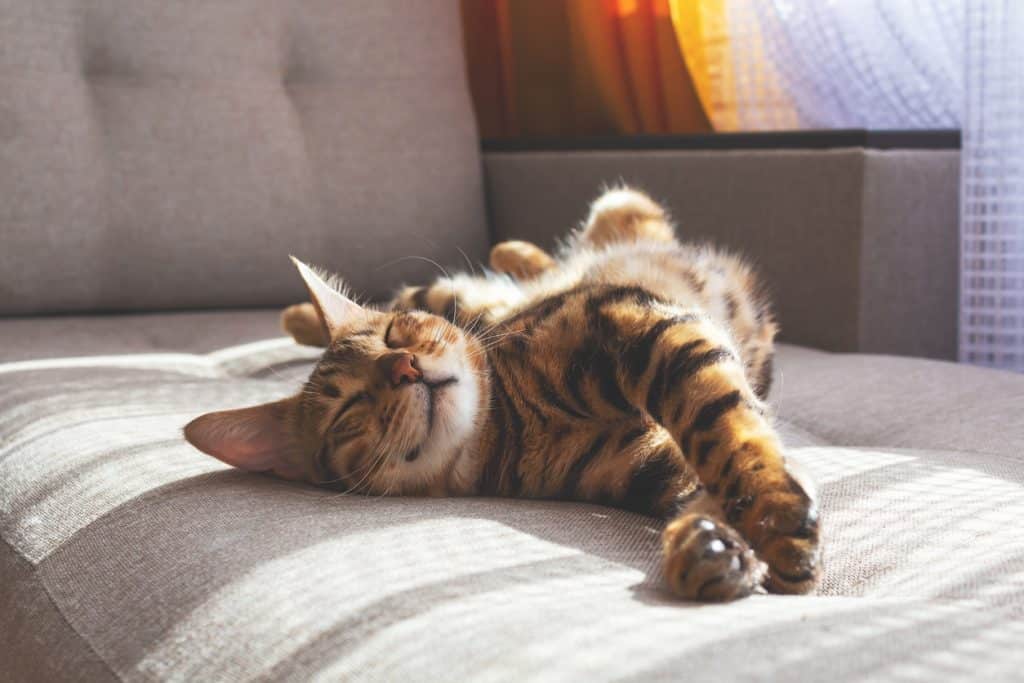
Anna Derzhina via iStock
Use the power of scent
Dr. Feeney explains that safe smells can help your cat feel calm when you’re away. Put one of your blankets or t-shirts in your cat’s space. When you’re gone, they can cuddle up in it and be comforted by your scent. You can also use a pheromone diffuser or spray, which sends out calming signals to cats.
Play before you leave
Cats are natural hunters. Dr. Feeney says indoor cats might get bored if they can’t chase and catch things, which can cause them to feel anxious or act out. Before you leave, take some time to play with your cat. Use toys like wands that your cat can chase, or bigger toys they can kick and fight.
Provide entertainment while you’re gone
Providing entertainment can keep your cat busy and happy while you’re gone. Dr. Feeney suggests:
- Videos, like bird or squirrel videos, to add both visual and auditory interest
- Cat toys to stave off boredom—try leaving out electronic toys that turn themselves on and off
- Food enrichment, like food puzzles, to make your cat “hunt” for their meal, or automatic feeders that deliver a snack
- Scratching posts to give your cat a designated area (that’s not your couch) to stretch and scratch their nails
Make departures low-key
Avoid dragging out your departure, which could create built-up anticipation and anxiety around your leaving. Later, when you’re home and not going anywhere, practice desensitizing pre-departure cues, such as picking up your keys or putting on your coat.
Give your cat a treat after each action, and then continue on with your normal routine. This will help decrease the anxiety associated with these cues and your departure.
Hire a pet sitter
If you have a high-energy cat or one who gets lonely while you’re gone during the day, consider hiring a pet sitter to drop in on your kitty and give them extra love and exercise.
When leaving for more than a few days or for longer, like on a trip or vacation, Dr. Feeney recommends having the pet sitter come by at least once a day to make sure your cat has food, water, and attention. You may also want the sitter to stay at your house to maintain your cat’s normal routine and reduce stress.
Consider getting another cat
If you have a social cat that’s showing signs they’re lonely, such as excessive grooming, destructive behavior, and peeing and pooping outside the litter box, getting another cat might provide them with much-needed company.
“If your cat has lived well with other cats in the past or was a mother who took good care of her kittens, they may get along with a new cat,” Dr. Feeney explains. However, she says older or fearful cats might not enjoy living with other cats.
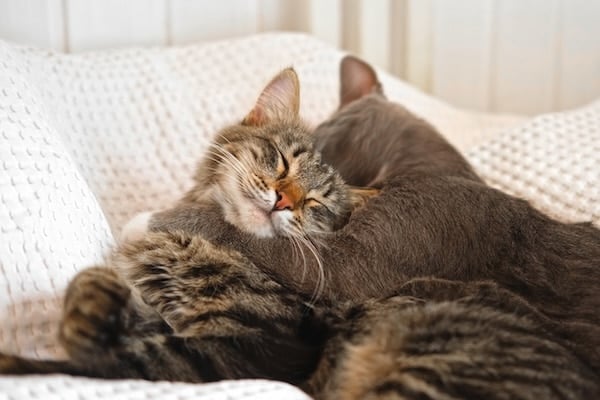
Marina Demidiuk via iStock
Signs of Separation Anxiety
It’s normal for cats to miss their people. But for some cats, being separated from their owner, especially for longer periods, can cause distress. One way to tell if your cat is struggling with your absence is to observe their behavior.
In a recent study, cat owners reported the following as the most common signs of separation-related problems:
- Destructive behavior
- Urinating outside the litter box—sometimes on the owner’s clothes, in their bedroom, or on the bed
- Excessive vocalization
- Agitation
- Depression
- Aggressiveness
- Pooping in inappropriate places (less frequently reported)
How to help
Depending on the severity of your cat’s separation anxiety, you may need to consult a vet behaviorist. They’ll assess your cat and come up with a behavioral plan and possibly prescribe anxiety medications.
But in the short-term, there are a few things you can do to make your cat more comfortable, such as:
- Increasing opportunities for physical and mental enrichment, both when you’re at home and away.
- Adjusting your cat’s living space. Add more cozy hiding places with tunnels and cat caves, and drown out scary sounds by leaving on the television or playing calming music when you’re gone.
- Asking your cat sitter to drop by more often or for longer when you’re out.