- Not a substitute for professional veterinary help.
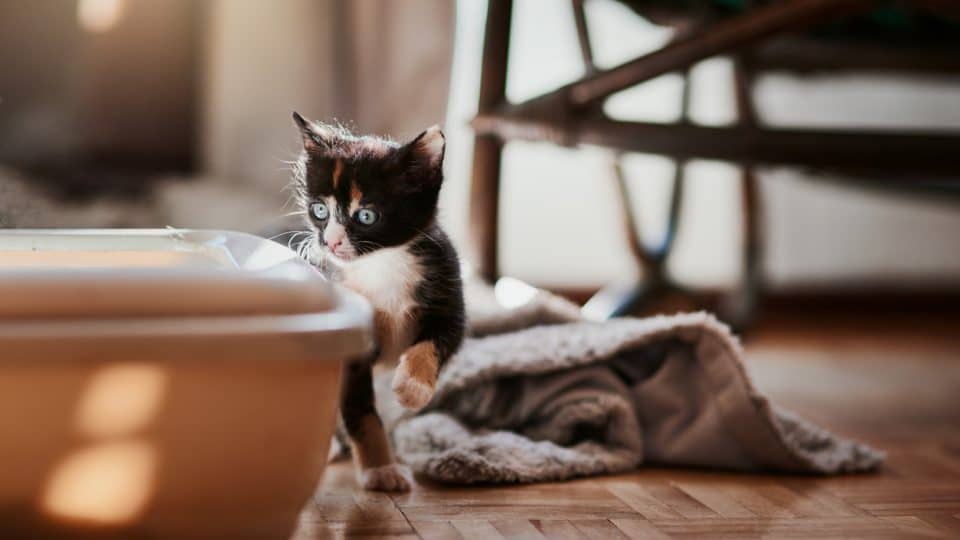
If your cat is peeing everywhere except their litter box, it can be frustrating. The good news is, your cat almost certainly isn’t doing it out of spite. In fact, there’s probably a logical reason for their behavior.
Environmental factors such as a dirty litter box, behavioral issues like stress, and underlying medical issues are all common causes of house soiling. Because urinary health problems can escalate quickly, it’s wise to consult your vet sooner rather than later. Once you’ve ruled out medical factors, you can troubleshoot the problem by making environmental adjustments or addressing behavioral concerns.
We spoke to Dr. Kevin Wheeler, a licensed veterinarian and the owner of Fish Creek Animal Hospital, to get to the core of the issue. Read on to learn why cats pee outside the litter box, what solutions are worth trying, and when you should seek veterinary care.
Medical and Health Problems That Cause Cat Accidents
While the symptoms of an underlying disease aren’t always outwardly obvious, cats often leave us clues. Changes in litter box habits could signal one of the following health concerns:

- Urinary tract infection (UTI) – Caused by bacteria in the urinary tract, these infections cause painful or frequent urination, bloody urine, straining to pee, and peeing outside the litter box.
- Bladder stones – Inflammation triggered by stones in the bladder can create an increased sense of urgency, sometimes leading cats to pee outside the litter box.
- Feline idiopathic cystitis (FIC) – This chronic inflammatory bladder condition is typically linked to stress. It can cause cats to pee frequently, in small amounts, or in unusual places and may lead to UTIs or dangerous urinary blockages.
- Kidney disease – Commonly seen in older cats, kidney disease often correlates with decreased appetite, weight loss, and increased thirst and urination.
- Diabetes – Cats with diabetes may eat or drink more than usual, make more frequent visits to the litter box, or have accidents in the house.
- Arthritis – Painful joints can cause aging cats to avoid the litter box, especially if they have to jump into it or step over a high wall.
- Hyperthyroidism – Along with weight loss, chronic vomiting, and restlessness, an overactive thyroid gland may increase thirst and cause frequent urination.
When to see a vet
“Any sudden change in bathroom habits is worth getting checked as soon as possible,” says Dr. Wheeler. Urinary issues are common in cats and are often treatable. But they can progress quickly and can even turn into a life-threatening emergency.
If your cat is training or crying while peeing, producing little to no urine, drinking and urinating more than usual, or suddenly peeing everywhere but the litter box, they should be examined by a veterinarian as soon as possible. Additional symptoms such as blood in the litter box, vomiting, diarrhea, and changes in appetite are also cause for concern.
Male cats, in particular, are especially at risk for urinary obstruction due to their narrow urethras, says Dr. Wheeler. Inflammation, crystals, or stones can cause obstructions, which can be fatal if left untreated. If your male cat is peeing in the house all of a sudden, it’s crucial to rule out a blockage—especially if they’re straining or passing little to no urine.
Environmental Reasons for Peeing Outside the Litter Box
If you’ve ruled out medical issues but your cat is still peeing everywhere but the litter box, it’s time to consider environmental factors. Here are some common ways your current litter box setup might be causing the problem.
Your cat’s litter box is too dirty for them
When the litter box isn’t clean, your cat might do their business elsewhere, says Dr. Wheeler. It’s a sure sign your cat is unhappy with the litter box if they’re peeing on the floor next to it, rather than in a specific spot. This behavior says they intended to use the litter box but didn’t find it up to their standards.
Solution: To keep the litter box clean, scoop it daily, at a minimum. Fussier felines may appreciate twice-daily scooping. Generally, you’ll also want to deep clean the litter box and replace the litter every 2 to 4 weeks.
Your cat doesn’t like their litter type
If you’re keeping the litter box clean but your cat still isn’t using it, they might not like the litter itself. If you recently changed litter types and your cat started peeing on the floor afterward, it’s a good bet they don’t like the new litter.
Another sign your litter is the problem is if your cat is peeing on specific surfaces outside the litter box. For example, if your cat shows a preference for soft surfaces like rugs, bath mats, or piles of laundry, they might need litter that’s gentler on their paws.
Solution: Fill an additional litter box with a different type of cat litter. Then, simply wait and see if your cat starts using that one instead. Try using the direct opposite of what you’re currently using. For example, opt for unscented litter rather than scented litter, non-clumping litter rather than clumping, or soft wood shavings rather than hard pellets.
Your cat doesn’t like the box’s location
Some cats appreciate privacy, but the litter box shouldn’t be completely out of the way. Neither should it be in a heavily-trafficked area. Dr. Wheeler says cats tend to avoid litter boxes in busy hallways, near loud machines, or in cramped spaces with poor visibility. A cat might also hesitate to use the litter box if they’ve been startled while inside.
If your cat is peeing everywhere all of a sudden, but not in the same spot every time, they might just be going where it’s convenient or where they feel the most comfortable.
Solution: Try moving the litter box to a quieter location or to a better-lit area with a bit more space. You may also want to buy a few extra boxes to ensure there’s one on every floor.
Your cat doesn’t like their type of litter box
Location is crucial, but it’s only one aspect of accessibility. If the litter box is too hard for your cat to get in and out of, they might not use it. This issue is common for senior cats who aren’t comfortable jumping or climbing over high sides.
One way to tell if your cat doesn’t like their litter box is if they spend as little time in it as possible. For example, they might perch on the edge without stepping fully inside. Or they might rush out as soon as they’re done without covering their waste. They might even paw at the floor outside the litter box.
Solution: Most cats prefer open litter pans to covered litter boxes, so just making this switch could help. You might also try upgrading to a larger litter box or adding a second, since some cats prefer to use one for urine and another for solid waste.
iStock/StockRocket
Behavioral Causes of Cat Accidents in the House
Stress, anxiety, territorial insecurity, and other behavioral issues can lead a cat to pee outside of their litter box. When a cat feels unsettled or fearful, accidents are often a sign of emotional distress or a bigger behavioral issue.
Your cat is marking their territory
In multi-pet households—especially homes with more than one feline family member—cats will sometimes spray urine to mark their territory.
Both male and female cats spray, and it’s generally easy to distinguish urine marking from other accidents. Typically, when cats mark their territory, they’ll spray on vertical surfaces rather than leaving a puddle on the floor.
Territorial marking can be triggered by any household change or by conflict with other pets. Sometimes a cat’s territorial tendencies are triggered by a cat that’s not even in the house.
If your cat is peeing near windows or glass doors, they might be reacting to stress triggered by an outdoor cat. In this case, closing the blinds or moving perches away from the window might help.
Solution: Getting a cat to stop spraying can be tricky, and a multi-pronged approach is usually best. Try adding extra litter boxes so your cats don’t have to share and keep them clean. Position other resources, such as food and water, well away from litter boxes, and offer plenty of perches so each cat can establish their own territory.
Another cat is guarding the litter box and preventing them from using it
Inter-cat conflict can also manifest as resource guarding. If your cat seems to be peeing everywhere but isn’t spraying on vertical surfaces, it might be that another cat is preventing them from using the litter box. One cat might physically block another’s access to the litter box or attack them as they enter or exit.
To confirm that resource guarding is the issue, keep a close eye on your cats. If you’re unable to monitor them, set up a pet camera near the litter box.
Solution: To mitigate the issue, make sure you have one litter box for every cat, plus at least one extra. Spread the litter boxes out in different rooms and remove any covers. Your cat should have full visibility from all sides while they’re using the litter box, as well as multiple exit paths.
Your cat is stressed by household changes
Cats are creatures of habit who take comfort in predictability. Even a tiny change in your cat’s environment could trigger stress or anxiety. It might even explain why they’re peeing in the house all of a sudden. Here are some common behavioral triggers:
- Losing a family member
- Having a baby
- Getting a new cat or kitten
- Moving to a new home
- Renovations or construction nearby
- Long-term visitors
- Return to office (after working from home)
- Shift changes
- Longer time left alone
If your cat suddenly started peeing everywhere but the litter box, think about what may have changed recently and where your cat is peeing. Sometimes cats pee on things that smell like their favorite family member when they’re feeling stressed by household changes.
Solution: Once you know the root cause of the behavior, you can start addressing it. This might look like working with a vet behaviorist to manage anxiety, playing a sound machine to drown out scary noises, or booking a pet sitter to spend time with your kitty while you’re away.