Are You Set Up To Pet Sit for Multiple Dogs?
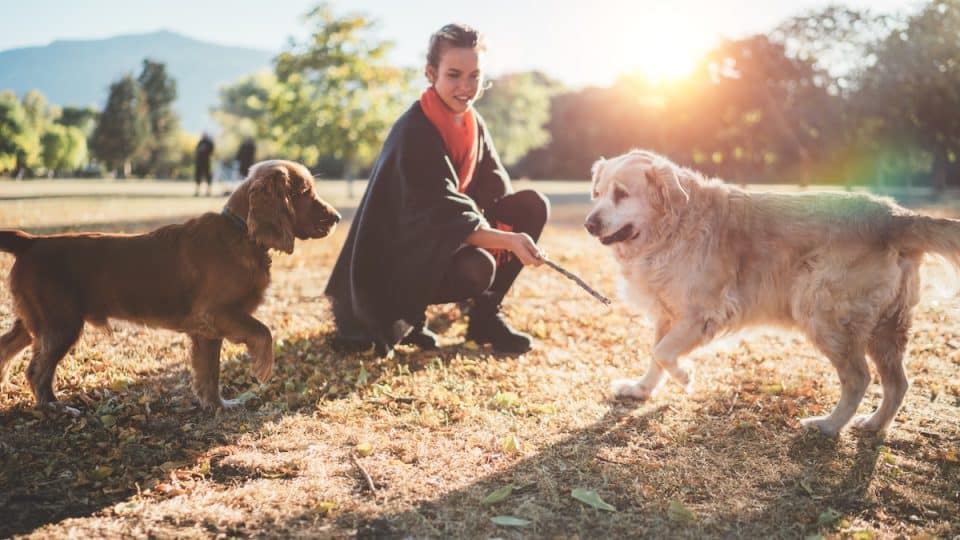
For pet sitters, having the capacity to watch multiple dogs at a time can mean more business and better earnings. But it’s also demanding work that requires careful preparation.
With multiple dogs, you’ll be juggling care schedules that may not always align. You’ll also need more time to supervise and be ready to navigate the issues of a group, which can be more challenging than dealing with each dog individually.
In this article, we’ll review tips for screening, preparing, and supervising multiple dogs for safe stays, plus signs it’s better to say no to additional clients.
Screening Multiple Dogs
The first step before booking is to determine whether the different dogs you’ll be watching are compatible. While it’s not a guarantee that everyone will get along, asking the right questions can give you useful clues or bring up red flags.
Helpful questions for owners include:
- What is your dog’s daily routine, including feeding, exercise, and potty breaks?
- Is your dog fully house-trained?
- Does your dog enjoy interacting with other dogs?
- What’s your dog’s temperament like? Activity levels?
- Are there specific breed types or characteristics your dog doesn’t like (flat-faced breeds, big dogs, etc.)?
- What behaviors should I be aware of (e.g., resource guarding, reactivity, separation anxiety, etc.)?
- What is your dog’s play style?
- How well does your dog do with self-regulation and relaxing on their own?
- Will your dog be okay with being separated via a pet gate or crate at times?
- Does your dog have any triggers or fears?
- Does your dog have any health issues that require monitoring or medication?
- Are your dog’s vaccinations up to date?
- What toys and treats are permissible?
- What should I watch out for when supervising? If needed, what is the best way for me to safely intervene?
- Should something go wrong, what protocol and emergency plan would you like me to follow for your dog?
Always be transparent with clients and let them know if you plan to watch other dogs at the same time. It’s important not to add another pet unless all owners have given the green light.
Introducing Dogs & Evaluating Compatibility
Introducing dogs to each other ahead of time is a great preemptive step. It lets you make an educated guess about how dogs will interact on walks or in a boarding situation down the road.
What to do at a meet and greet
A meet and greet is one of the best ways to assess compatibility for dogs you’ll be watching (or introducing them to your own dog). Here’s how to set the dogs up for success:
- Pick a neutral meeting space to prevent territorial behaviors and reduce anxiety and stress.
- Keep the area free of toys or other items that might cause dogs to guard or fight over them.
- Go slowly and move at each dog’s pace. Successful meet and greets take time and should not be rushed.
What to ask owners to do
It’s important that the human members of the introduction also follow the same rules. Ahead of time, ask potential clients to do the following:
- Maintain calm voices and body language throughout the interaction.
- Give the dogs plenty of space and keep them on a leash (held loosely to prevent tension) until it’s determined they can meet up close and/or off-leash.
- Keep things positive and don’t reprimand a dog if they become overly excited.
- Have plenty of treats on hand to build a positive association with the other dog.
- Incorporate breaks to reset and reduce arousal. Start again as long as both dogs are showing comfortable body language.
melissabrock1 via iStock
Signs of compatibility
When supervising dogs during introductions, keep an eye out for signs of how they’re getting along.
Indications that a dog would be compatible in a multi-dog setting include:
- Loose, happy body language, such as bright eyes, soft mouth, and wiggly movements
- Interest or calm behavior toward the other dog
- Initiating play or interaction and respecting the other dog’s response
- Ability to listen and respond to basic cues
- Ability to relax around the other dog
- Ability to self-regulate or calm down when becoming too aroused or overexcited
Signs that a dog might not be compatible in a group setting include:
- Hesitating to move toward the other dog and trying to flee
- Inability to focus on their owner and follow basic cues
- Inability to settle, relax, or self-regulate
- Showing signs of stress, such as whale eye, tucked tail, and frequent lip licking or yawning
- Showing signs of fear or stress, such as growling, barking, or lunging
- Showing signs of aggression, including raised hackles, intense staring, showing teeth, or air snapping
- Not respecting the other dog’s social cues and body language
While slight signs of frustration or overarousal are common during introductions and may ease with time, more intense reactions can indicate the dogs are not a good match.
Preparing Separate Spaces
Even if dogs show they’re compatible, that doesn’t mean they should be together 24/7. Separate spaces can be essential for keeping the peace.
Here are some times when you may want to set up separate spaces:
- When you’re gone. When you can’t be present to supervise or intervene, it’s best if dogs are in their own dog-proofed area to avoid unforeseen conflicts or safety issues.
- Sleeping/resting arrangements. Some dogs get cranky or aggressive if their sleep is suddenly interrupted or they’re spooked by another dog. Ask pet parents about their dog’s sleep habits and set up separate resting areas if needed. Even if dogs don’t mind sleeping in the same room, they should have their own beds and blankets.
- Separate spaces for feeding, chews, and toys. Even if the dogs aren’t known to resource-guard, it’s best to play it safe and avoid potential conflict by separating them when giving high-value items.
Helpful supplies
When pet sitting multiple dogs, it’s also helpful to have supplies like these on hand:
- Pet gates or playpens. These dividers are the easiest way to separate dogs and give them personal space.
- Separate toys. If one dog has a toy, make sure the other does, too. With dogs on equal footing, conflicts are less likely to arise.
- Separate food bowls. To prevent guarding and fighting, ensure each dog has their own food bowl, ideally in a separated space for meals.
- Backup leashes. Having an extra leash at home or in your car is handy in case a dog’s leash breaks or gets misplaced.
- Plenty of poop bags. This one probably goes without saying, but more dogs mean more poop! Having extra rolls on hand will ensure you don’t get caught unprepared.
Drop-Off & Pick-Up
To help drop-offs go smoothly:
- Ask each pet parent to message you when they’re on their way so you can prepare for their arrival.
- If you already have a dog at home, put them behind a gate or in a separate area so the new arrival has plenty of space to make their entrance.
- Let the dog that just arrived have time to sniff and explore their new surroundings. For the dog behind the gate, scatter treats to keep them occupied and distracted from the new dog that just came inside.
- Once the new arrival has had time to acclimate, slowly introduce the two dogs. One easy way to do this is to have the dogs on each side of the gate and play the “name game,” which is simply saying their name and giving them a treat.
- When the dogs feel comfortable with each other and their body language is loose and relaxed, you can remove the barrier and have them interact.
Following the same protocol—having the pet parent message you before they arrive and separating the dogs behind a barrier—also works well for pick-up.

Przemysław Iciak via iStock
Supervising Interactions
Watching multiple dogs at once requires more supervision on your part to ensure everyone stays safe and happy. This increased supervision includes monitoring play, supervising mealtimes, and being more diligent in scheduling exercise and rest.
Monitoring play
- Play fighting vs real fighting. Dog-to-dog play can sometimes look like fighting, and it’s important to know the difference. Play fighting will often appear bouncy, without signs of stress or escape. Real fighting looks stiff and uneven, with one dog dominating the chase.
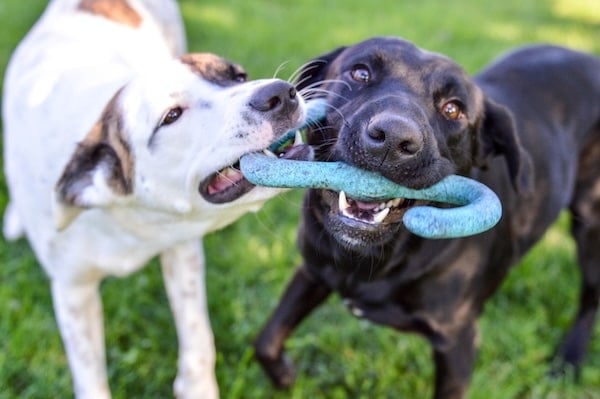
- Toy sharing. Some dogs love to play with toys together, each giving a good tug! But toys can also spur resource guarding. Until you get to know each dog’s tendencies, consider removing toys from areas where the dogs interact.
- Managing size differences. Keep a close eye on play, and immediately separate smaller dogs if big dogs are playing too roughly to prevent injury. You can also create separate play areas for the dogs you’re watching, based on their size.
Supervising feeding
Feeding time means separate areas for each dog. When supervising, make sure each dog finishes their meal and discourage them from wandering to another dog’s area where they are eating. Gates or pens, or feeding in crates or separate rooms, can help prevent this.
Scheduling exercise and rest
Some dogs are great exercise companions and will happily walk together, while others will need to be taken out separately.
Signs dogs may be good companions for walks include:
- Both dogs have the ability to walk politely on a loose leash
- Both dogs are calm while on a leash
- Both dogs offer engagement and can respond to basic cues
- Energy levels and physical abilities are a match
On the other hand, signs that you may need to walk the dogs separately include:
- One or more of the dogs is leash reactive
- Being together riles the dogs up while on leash
- The dogs differ in age, physical abilities, or energy levels
Even if your pups are evenly matched and great exercise buddies, remember that dogs will also need time alone with you. Consider budgeting for some solo play and cuddles with each dog in your daily schedule.
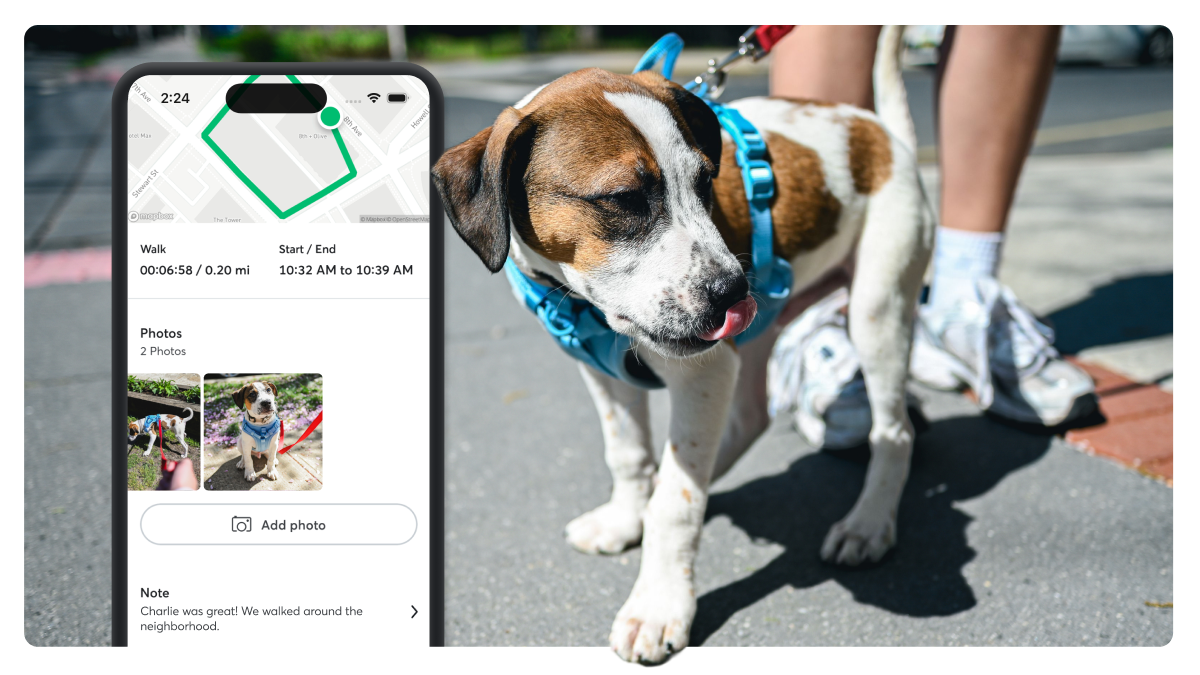
Pro tip: Don’t forget to take pictures of play and walks to send to pet parents and to incorporate into their Rover card!
Reviewing After a Stay
After your Rover dogs go home, consider taking some time to make an honest assessment of how things went.
Was each dog a good fit for multi-pet stays? Even with repeat clients, it can be a good idea to check in with yourself. You may notice, for example, that a social and exuberant young dog may become more selective about dog interactions as they grow.
You can make notes about how many or what other dogs each pet is compatible with, plus record tips and tricks that helped you address issues.
It’s also important to consider whether you were comfortable with the amount of work and care that went into multi-dog sitting. If it felt like too much, consider scaling back the number of pets in the future—and don’t forget to update your profile with your preferences.
Is pet sitting multiple dogs right for you?
Remember, it’s always okay to say no if you’re not equipped to take on multiple dogs, or if a dog wouldn’t be a good fit for your multi-pet home.
Still not sure? Here are a few reasons why you might consider saying no:
- The dog has a history of aggression.
- The dog is shy, stressed, or uncomfortable around other dogs.
- The dog is in a different size category than the other dogs you pet sit.
- The dog is in a different life or health stage than the other dogs you pet sit.
- The dog exhibits challenging social behaviors, like leash reactivity or resource guarding.
Saying no can be hard, but a “no” can help ensure the safety of all the dogs you care for and yourself!