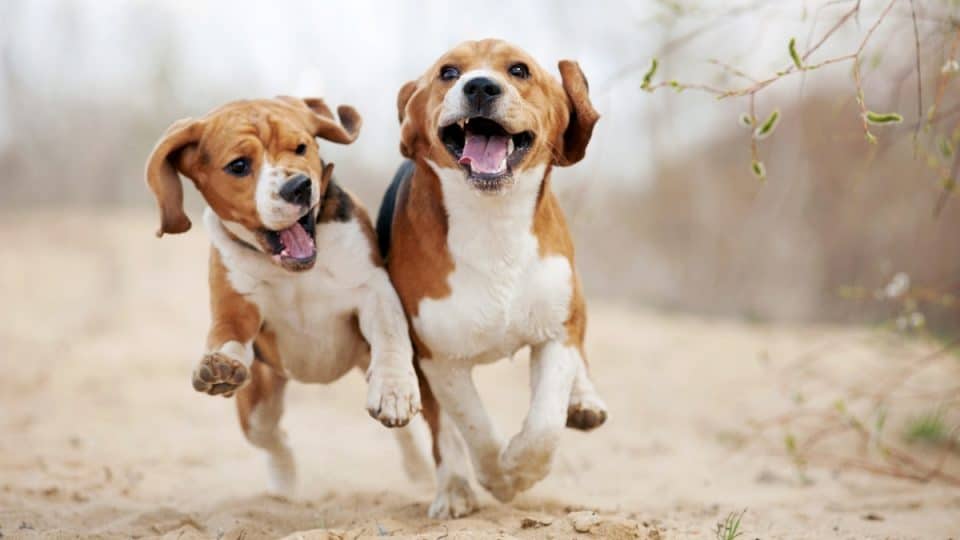
Did your dog love playing with all types of other dogs when they were a puppy, but now that they’re older, they’re more choosy about the dogs they interact with? You might be surprised to learn that this is perfectly normal. While pet parents may assume their dog’s sociability is static, it can actually change throughout their pup’s life.
Sometimes dogs become more particular toward other dogs because they weren’t socialized properly as a puppy and lack general social skills, says Jen Zatorowski, UW-AAB, CPDT-KA, a certified dog trainer on Rover. Other times, a negative interaction can make them less likely to want to socialize with other dogs, she adds.

However, for many dogs, as they get older, it’s very common for them to start developing preferences toward the animals they want to spend time with—just like us! “Dogs do not have to like every dog they meet, just like a human may not like everyone they meet,” points out Zatorowski. In fact, many adult dogs are “dog selective,” meaning they prefer a small but close circle of canine friends and show disinterest or even dislike pups outside their group.
If your pup is picky about their playmates, don’t stress. Contrary to popular belief—and what’s often portrayed on TV and in film—most adult dogs aren’t hyper-social. With help from Zatorowski, as well as professional dog trainers Alexandra Bassett of Dog Savvy and Nicole Kohanski of Wiggle Butt Academy, we’ll explain the varying scale of dog sociability so you can better understand your pup’s social needs.
Scale of Dog Selectivity and Sociability
Not exactly sure where your dog stands? Generally, dog sociability falls somewhere on this simple four-point selectivity scale, ranging from dog social to dog aggressive—with most dogs falling into either dog selective or dog tolerant.
| Definition | Behavior | Environment Adaptability | Common or Rare | |
| Dog Social | Loves the company of other dogs and will play with just about any dog. | Comfortable and happy. Shows no sign of distress, discomfort, or fear, even around new dogs. | Adaptable in nearly every situation with other dogs. | Rare. Typically seen in puppies, less so in adult dogs. |
| Dog Tolerant | Friendly but may not have a deep connection with everyone. | May not actively play or engage, but not aggressive. Often neutral with other dogs. | Generally adaptable; can tolerate a wide range of other pups and situations. | Common for adult dogs. |
| Dog Selective | Prefers interacting with only certain types of dogs over others. | May be happy and comfortable around some pups but growl or react toward others. | Can adapt with the right training and slow introductions. Requires careful monitoring in social situations. | Common for adult dogs. |
| Dog Aggressive | Typically dislikes other dogs and responds negatively, regardless of how approached. | Displays discomfort, stress, and aggressive behavior in nearly every situation. Will growl, snap, or bite other dogs. | Requires careful handling and training to be around any other dogs; may never adapt. | Rare, even for adult or senior dogs. |
How this affects your dog’s social life
Dogs who are dog selective still need social time, too. It just might look a little differently than what you had previously imagined.
For instance, instead of doggy daycare at a group facility, you can find a pet sitter who offers daycare in their home, only taking on small groups of dogs at a time and prioritizing compatibility. If your dog really doesn’t tolerate being around other dogs but loves spending time with humans, schedule a dog walker to drop in and play with your pup or take them out for a solo walk.
Andrii Gorb via iStock
How Does a Dog Become Dog Selective?
Dog selectiveness in itself is a spectrum, ranging from mild to severe, and can even verge on dog aggression in some instances. Selectiveness can occur for a wide variety of reasons, including the following:
- Genetics or breed
- Lack of early socialization
- Past experiences with other dogs
- Aging
- Developing preferences in size, personality, play styles, and energy levels
- Developing preferences in dog manners and body language
Is it common for puppies to be more dog social?
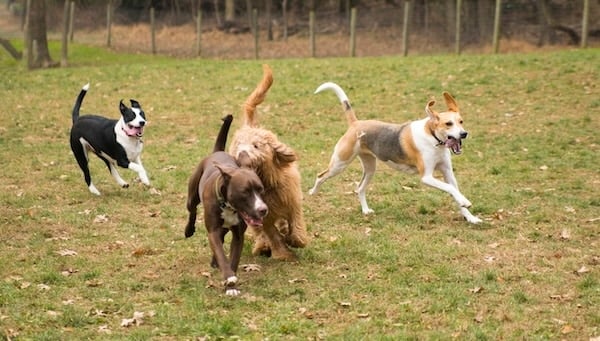
While most adult dogs are dog tolerant or dog selective, puppies are a different story. That’s because part of their development occurs from playing with other dogs—often their mom and littermates. As they age and gain more experience, however, it’s common for dogs to start developing penchants for what they look for in a friend.
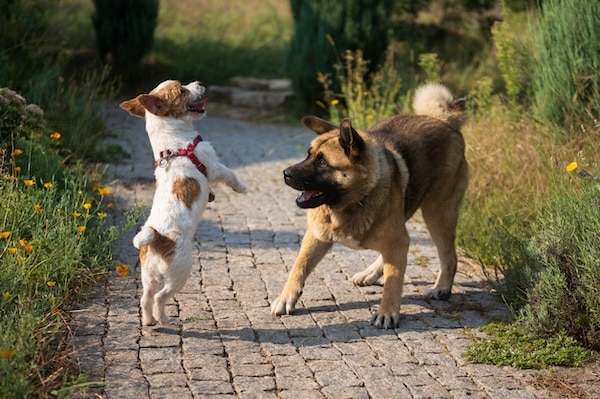
Play style, in particular, is often a key factor in compatibility. For instance, your dog may prefer to chase and be chased rather than engage in more rough-and-tumble play fighting. This preference for energy and play style becomes even more significant as a dog gets older. For example, many senior dogs don’t enjoy playing with hyperactive puppies and are generally less tolerant of chaotic energy.
Are certain breeds more or less dog tolerant than others?
Every dog has their own unique personality traits, but some breeds may be less tolerant of other dogs. For example, breeds like the Shiba Inu and the Italian Greyhound are generally considered “introverted” and may display more dog-selective behaviors as a result.
Dog breeds that generally don’t like other dogs or are more selective include the following:
On the other hand, dog breeds considered to be more social and dog-friendly include the following:
- Cavalier King Charles Spaniel
- Collie
- Bichon Frise
- Boston Terrier
- French Bulldog
- Golden Retriever
- Labrador Retriever
Of course, these lists aren’t exact, and each breed has a spectrum of sociability, as does each individual dog.
anothersteve via iStock
Can You Change a Dog’s Preferences?
While a pup’s sociability evolves throughout their life, actively changing a dog’s preferences might prove tricky.
A pup on the farthest end of the dog aggression scale will probably never become dog social. And that’s okay. Some dogs need to be the only dogs at home or in your inner circle.
Dogs in the middle of the spectrum, however, might have a better chance of becoming more neutral. With consistent socialization and training, a dog-selective pup may become more tolerant of other dogs—or at least react better to those they don’t like. This tolerance is especially helpful if your dog frequently encounters other dogs, like if you live in an apartment, travel with your pup, or take daily walks around a busy neighborhood.
Trainer Tips for Dog-Selective Dogs
If you have a dog-selective dog, there are a few things you can do to help them better navigate the world while also fulfilling their social needs. Here are a few expert tips.
- Learn dog behavior and understand your dog’s body language. Understanding what your dog is trying to communicate can help you better advocate for them in a variety of situations. For instance, you can cross the street on a walk if you notice your dog becoming uncomfortable with another dog approaching.
- Understand what types of dogs your pup prefers. Once you know your dog’s “type,” you can better arrange social interactions your dog will enjoy—like one-on-one playdates with a dog that has a similar play style.
- Find out what settings your dog will be most comfortable in. For example, your dog may still enjoy a dog park or other public space, just not during the most popular hours.
- Closely monitor social encounters. When bringing your dog-selective dog into public places, make sure you’re also okay with leaving certain situations if your dog becomes uncomfortable or upset.
- Opt for smaller group settings. This could look like playdates with select dog friends or solo or small-group training with a dog trainer who understands dog selectivity.
- Provide other types of enriching activities. Try decompression walks or hikes in places where you’re less likely to encounter other dogs, or puzzle toys, scent work, and other games that use the nose and mind.
When to seek professional help
If your dog’s selectiveness starts turning into reactive or aggressive behavior—like barking, lunging, and snapping at other dogs, even from a distance—it’s a good idea to get professional help as soon as possible. “Being proactive can help keep the behavior from being practiced and likely escalating,” says Zatorowski. “This can help keep everyone safe.”
Even if your dog isn’t showing these behaviors, working with a local dog trainer near you can help you better understand your dog’s social preferences. With an expert’s insight, you can get an objective take on your dog’s behavior and learn how to develop a unique training plan for your individual pup.