A Pet Sitter’s Guide on Resource Guarding
Watching a dog with resource guarding tendencies can be intimidating for pet sitters. But knowing why dogs typically resource guard and how to spot and manage the behavior can help you decide whether or not you’re up for the task.
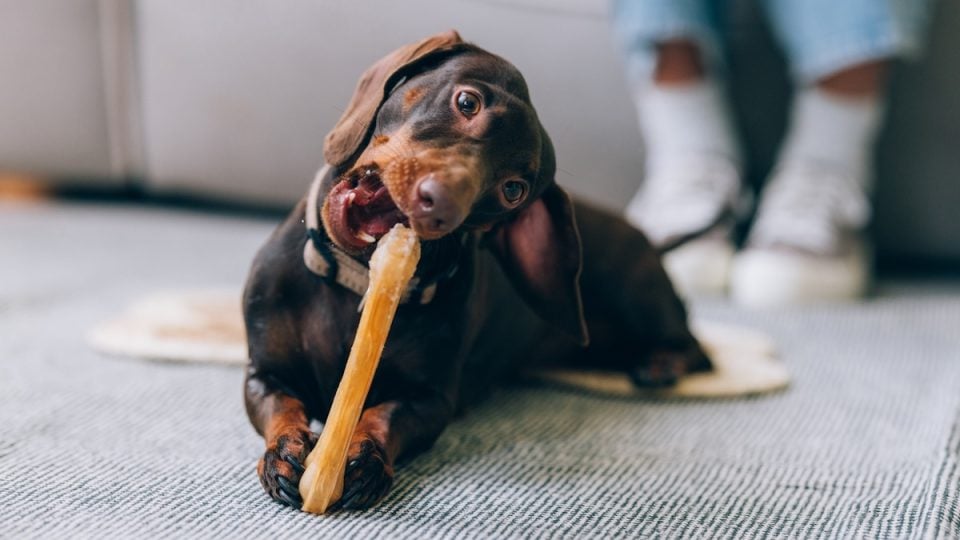
Dogs may guard anything they deem valuable—like food, toys, beds, a specific spot on the couch, or even people. They don’t do this to exert dominance. Rather, they’re afraid of having their cherished item taken away. That’s why a dog might stiffen or growl when you get close to them when they’re next to a special object, person, or place.
Resource guarding doesn’t necessarily mean a dog is aggressive, and it’s often preventable with the right setup. In this guide, we’ll offer resource guarding tips for pet sitters, covering everything from how to spot the signs of resource guarding to how to manage the behavior when a dog is in your care.
Pre-Stay Preparation
Whether or not you’re up for taking on a dog who resource guards will likely depend on factors like the severity of the dog’s reactions and your capacity for watching a pup who requires a bit of extra care.
These questions can help guide your conversation with the pet parent before accepting a booking request:
- What specific things does your dog guard? This tells you exactly what to watch for.
- Do they guard “invisible” spaces, like doorways or certain spots on the couch? In some cases, dogs guard locations, not just objects.
- What are your dog’s early warning signs of resource guarding? These subtle signals (freezing, staring, stiffening) give you a chance to step away before behavior escalates.
- What are their higher-level warning signs? Knowing these signs (growling, air snapping) helps you understand how the dog escalates and what point to avoid pushing past.
- Does your dog growl? A growl is actually useful, because it’s a clear warning sign. You want to respect it, not ignore or punish it.
- Has your dog ever snapped or bitten? If so, what happened? Context matters and will help you identify behavioral patterns.
- Where and how should your dog be fed? A proper feeding setup (separate room, crate, distance from others) can prevent guarding issues, especially if you’re watching multiple dogs at once.
- How should I handle dropped food or items on the floor? This prepares you for real-life moments where the dog may rush to grab something.
- Does your dog know cues like “drop it” or “leave it”? These cues are helpful if the dog grabs something they shouldn’t have.
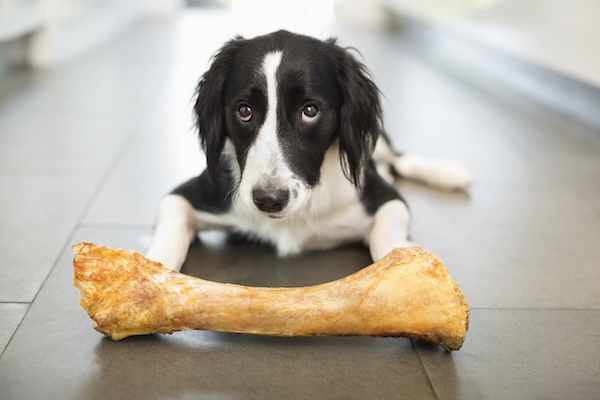
- Do you use a trade-up system? If so, how? A trade-up protocol is when you trade the item the dog is guarding for something better, like a treat or a toy.
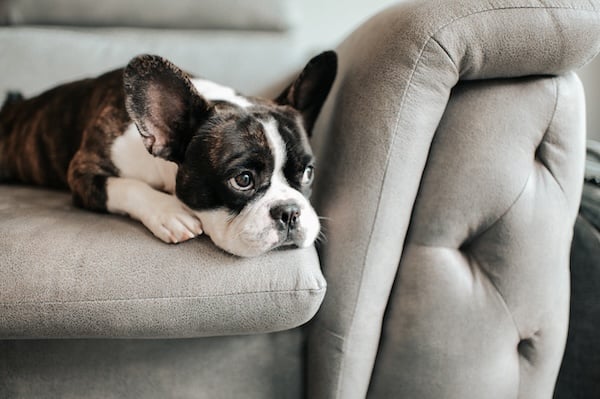
- What’s the safest way to move your dog off furniture or a resting spot? Some dogs guard spaces like couches or beds.
- Are there toys or items that should be put away before the stay? Often, removing high-value items ahead of time can prevent issues altogether.
- Are there any off-limits areas in the home? Knowing this helps you avoid spaces the dog may guard or feel protective over.
- What should I do if your dog gets something they shouldn’t have? Having an emergency plan in place helps you respond calmly and keep everyone safe.
- How does your dog behave around children? If kids are present, this is important to know for preventing unsafe interactions.
- How does your dog handle people moving near them while they’re eating or resting? Knowing this helps you gauge how much space the dog needs during vulnerable moments.
Robert Daly via iStock
Resource Guarding Signs
One of the biggest myths about dog bites is that they come out of nowhere, says Alexandra Bassett, certified trainer and founder of Dog Savvy Salt Lake City. They almost never do. Dogs are constantly communicating. But their signals can start out subtle and be easy to miss, especially with resource guarding.
When caring for a pup with a history of guarding behavior, the key is knowing the early warning signs. Here’s how things typically progress.
Relaxed signs
These are some ways a dog may signal that they’re comfortable and not feeling the need to guard:
- Loose, relaxed body posture
- Eating or chewing at a normal pace
- No tension when people move close
- Willing to move away from items or share a space
- Soft eyes and neutral expression
Warning signs
These, however, are common warning signs that the dog is starting to feel uncomfortable and is asking for space:
- Eating faster when you walk by
- Freezing or hovering over an item
- Lowering their head toward the object
- Giving a side-eye or “whale eye” (whites of the eyes showing)
- Tracking your movements closely
- Taking the item and moving away to another space
- Stiffening or hard staring
- Low growling or lip curling
High-alert signs
These signals mean the dog feels threatened and may escalate to a bite. At this point, the dog is no longer asking—they’re telling you they don’t want you to come any closer. Quickly move away and create distance from the dog if you see the following signs:
- Loud growling or snarling
- Showing teeth
- Raised hackles (hair along the back standing up)
- Barking directed at a person or animal
- Lunging or snapping
Management Strategies
When it comes to resource guarding, your role as a pet sitter isn’t to “fix” the behavior—your priority is to keep everyone safe. The best way to do this is to set up your environment so a dog doesn’t feel the need to guard in the first place.
Preventing food resource guarding
Food is a common resource that dogs guard. Below are a few strategies to prevent dogs from resource guarding food—plus how to handle situations when it does happen.
- Create a safe, separate space for mealtime. If you’re watching multiple dogs, there’s a good chance they might feel protective over their food, even if all the dogs usually get along, says Bassett. To prevent this, feed the dogs in crates, behind baby gates, or in separate rooms so they can eat without feeling watched or crowded.
- Drop off food and walk away. After placing the bowl down, leave the area while the dog eats. That way, they don’t feel threatened.
- Never put your hand in a dog’s food bowl. Be mindful of the dog’s space. Putting your hands near a dog while they’re eating or chewing can feel like a threat to them.
- Use trades instead of taking items away. If the dog has something they shouldn’t have, offer something better, like a high-value treat. Bassett emphasizes that the trade needs to feel like a fair exchange from the dog’s perspective. You can even toss a few more treats on the ground as a “bonus” to help keep the experience positive and conflict-free, adds Bassett.
Edwin Tan via iStock
Additional management tactics
- Put away high-value items. Bones, chews, and special toys are common triggers for resource guarding. Ensuring common areas are free of these items can help prevent issues.
- Move dogs off furniture without physical contact. To encourage a dog to move off a high-value space on their own, toss a treat away from the area.
- Monitor interactions between dogs. Keep a close eye on dogs while they play together. Use barriers when you can’t supervise or if they need a break from each other. Giving each dog their own place to rest (bed, crate, mat) will also help them feel like there’s less competition for resources.
- Keep children away from dogs who guard. Children move quickly, get too close, and often can’t recognize when a dog is uncomfortable. If a dog is showing signs of resource guarding, it’s not worth the risk to have kids and dogs together, and it’s best to keep them separated, notes Kasey Dugan, a certified trainer at Get Sit Done Dogs.
- Quickly de-escalate any guarding situations. If a dog starts guarding, avoid making sudden movements. Stay still, look away, and slowly back up to give them space.
Communication Is Key
As a pet sitter of a dog who resource guards, clear communication with the pet parent is crucial. If the dog shows signs of guarding during your care, document what happened, making sure to include:
- What triggered the behavior (food, toy, couch, etc.)
- What the dog did (stiffening, growling, snapping)
- What you did to safely manage the situation (creating space, using a trade, removing access to the item, etc.)
To avoid sounding confrontational, keep communication neutral by just explaining exactly what you saw and how you handled the incident.
It’s also important to communicate early if something feels outside of your comfort level. Not every sitter is the right fit for every dog, and that’s okay! Don’t be afraid to say no to a client, especially if:
- You feel you can’t safely manage the dog’s behavior
- The dog’s needs require more experience than you currently have
- The environment makes safe management difficult (like if you have multiple dogs with limited room)
Clear boundaries help protect you, the dog, and the client, and they help ensure the dog gets care from someone fully prepared for their needs.