Sitter Tips for Meeting & Caring for Nervous New Dogs
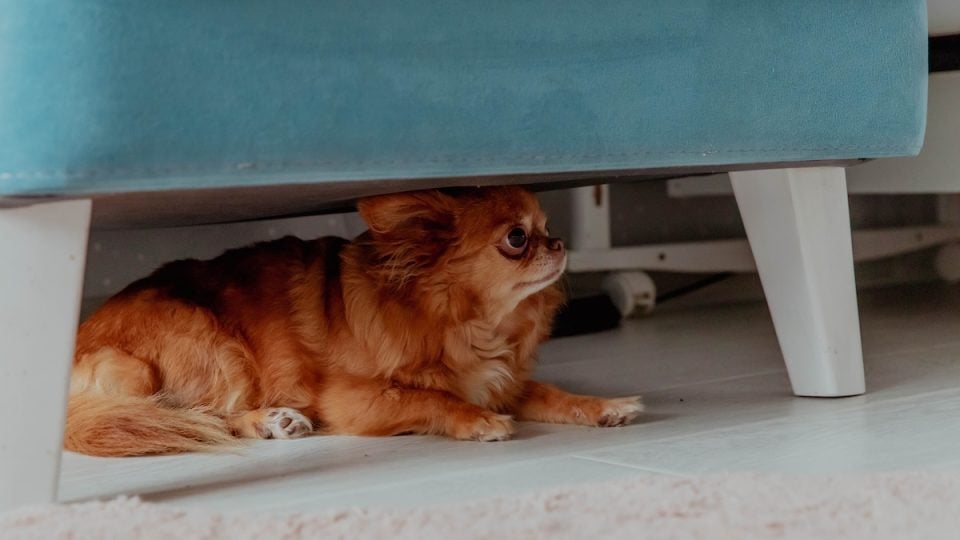
If you’ve been dog sitting or walking for a while, you’ve probably run into some nervous pups. For lots of dogs, a visit from a new sitter or walker can be a little scary. And when that happens, it can be hard to know the best way to reassure them. Offer treats or give space? Jump right into a walk or decompress first?
The truth is, the answer can be different for different dogs. But there are some general principles that can help you get a read on what your new friend needs. These are our favorite tips for sitters and walkers to build trust and soothe a nervous pup.
1. Meet Outside
In your initial Meet and Greet with a new client, consider meeting outside both your homes and going for a quick walk. Taking things outdoors can give a dog more room to create distance without feeling trapped in hallways or corners.
Doing a shared activity together—like walking—also takes away some of the pressure of meeting you and allows them to gradually get used to your presence. To ensure a smooth meeting:
- Choose a quiet area. Walk in an area (and during a quieter time of day) where there are fewer stressors for the dog.
- Ask the owner to keep the leash loose. Tension in the line can travel down to the dog, creating more stress.
- Stagger your pace initially. Start by walking a little behind or across the street from the guardian and dog and gradually close the distance.
2. Use a Calm Tone & Body Language
How you move and speak can affect a dog who is a little apprehensive around you at first. Here are a few ways to adjust your tone and posture to help them feel more comfortable around you:
- Avoid direct eye contact. Staring directly at a dog can feel threatening. Instead, look at the floor or to the side of the pup and keep your gaze soft.
- Keep your voice gentle and quiet. Speak to the dog in a soft, soothing tone.
- Don’t approach head-on. Similarly, stand sideways or approach the dog at a 45-degree angle to appear less threatening.
- Move slowly and predictably. Avoid making sudden or exaggerated movements.
- Don’t hover over the dog. Avoid leaning over the dog, especially when putting on their harness or leash, as this can feel like you’re trapping them.
Chalabala via iStock
3. Toss High-Value Treats
With the owner’s permission, bring treats to help build a positive association. A couple of things to keep in mind:
- Use high-value options. Find out what treats the dog loves and bring them to your meeting. Using higher-value treats is important here. You’re asking a dog to get to know you and trust you, and you want the rewards to match this big request.
- Toss the treats away from you. Coaxing a dog to come close to you or eat out of your hand can feel like a bribe and create conflict. Instead, toss treats away from you to give them plenty of space. Creating this distance also gives them the choice to orient back to you.
- Don’t ask the dog to perform for you. As you’re building trust, don’t ask the dog to sit or perform a cue. Just let the treats magically rain down on them.
4. Be Boring
Once you’re inside together, forgo the impulse to be exuberant or exciting. Being “boring” in your initial interactions with a cautious dog provides predictability, helping them know what to expect. Here’s what you can do to help a dog be around you:
- Sit or stand in one place. By staying still, the dog will know where you are at all times and won’t have to be constantly monitoring your movements.
- Keep your arms close to your body. Try not to talk with your hands or move your arms expressively to prevent startling the dog.
- Let the dog gather information. If the dog approaches, let them sniff and check you out without reaching out to pet them right away.
- Let the dog initiate interaction. Let the dog be the one to initiate pets and play. This will show that you respect their agency.
5. Make a Cozy Space with Familiar Scents
If a new dog is hesitant about boarding at your place, help them feel at home by creating a safe space just for them with familiar scents.
- Choose a cozy area. Opt for a quiet space in your home, like a corner behind the couch, a guest bedroom, or a large, open bedroom closet. Avoid high-traffic areas like entryways or spots near noisy appliances like the washing machine or dryer.
- Ask for the dog’s bed and other familiar items. Have your new client bring their dog’s bed, crate, mat, or whatever item they use for sleeping. Fill this safe space with comfort items from home, like cozy blankets, favorite toys, and a personal item from the owner that carries their scent.
- Try to minimize conflicting odors. Avoid using cleaners with strong smells or scented candles near the dog’s space, as they could easily overpower the dog’s familiar scents.
- Keep other pets out. If you’re watching other dogs or have your own pets, keep this space off-limits to them. A nervous guest dog will often feel safer with their own scents from home that haven’t been infiltrated by another animal’s.

Ivar Østby Simonsen via iStock
6. Follow a Bedtime Routine
The first night staying at an unfamiliar place or with an unfamiliar human is often the hardest for a dog. To help them settle down for the night, take these steps:
- Follow the dog’s evening routine. Dogs find comfort in predictability. Try to follow their usual schedule for dinner, last potty, and bedtime.
- Add a decompression activity before bed. With the owner’s approval, give the dog a stuffed KONG or a lick mat to work on before bedtime. This soothing task will help them wind down for the night.
- Block outside triggers. Close the windows and blinds so the dog doesn’t get spooked by passing dogs. You can also play white noise or music to muffle stressful sounds.
7. Get Help If You Need It
If you’re feeling stuck, consider reaching out to the owner to ask what strategies have been helpful in the past. For example, does a walk right away get out some of the nervous energy? Is there a favorite food you can try as a treat to help a dog come out of their shell?
If nervous behaviors give way to more concerning signs of serious anxiety, don’t hesitate to reach out to the owner for advice. You can also contact Rover Support for advice 24/7 at 888-727-1140.