A Pet Sitter’s Guide to Caring for Intact Pets

As a pet sitter, you might encounter requests to care for intact pets—that is, pets who haven’t been neutered or spayed. Intact dogs and cats often require some specialized care. For example, you may need to:
- Manage heat cycles
- Take precautions to prevent unwanted pregnancies
- Solve behavioral challenges like roaming, vocalization, or urine marking
- Carefully monitor—and potentially avoid—interactions with other animals
The latter is one of the most important points to understand: intact pets, even friendly ones, can elicit negative responses from other animals. If you have pets of your own at home or are planning to book multiple pets, consider your management plan carefully.
Here’s what to know about intact pets and how to prepare.
Intact Male Dogs
There’s no question that intact male dogs can be loving and well-mannered companions. In fact, it’s recommended to keep some large breed dogs intact until the age of two or three to make sure they grow safely. But these unneutered pups can also face some challenges, like same-sex aggression and a powerful roaming instinct.
Same-sex aggression
Intact male dogs aren’t necessarily more aggressive than neutered dogs. The bigger risk actually comes from other dogs. Intact males are often on the receiving end of hostility and aggression from neutered dogs.
To minimize these risks, ask owners of intact males about their pet’s typical temperament and past interactions with other dogs. If you plan to double-book, it’s also essential to screen other dogs. Ask owners if their pet has ever been around an intact male dog. How did the pet react? In many cases, it may be safer to board intact males alone.
If you have dogs of your own, plan a meeting between them and the intact dog to assess compatibility. Even if the dogs get along, it’s smart to have a backup plan in place. Be ready to separate dogs, use crates, and establish separate food stations if tensions flare.
If you choose to book an intact male, skip the dog park. Even if they’re the friendliest dog on the planet, they may trigger aggression in other dogs.
Roaming instinct
Sitters who take on intact male dogs may also need to beef up their security. “The drive to seek out a female in heat is powerful and instinctive,” explains Dr. Jo Myers, a veterinarian at Vetster. ”Even well-trained dogs may attempt to escape if they detect a nearby female in season.”
To prevent escapes, start with dog-proofing your yard. Walk your fenceline, checking for gaps or weak spots. Remove any furniture or objects next to your fence that motivated dogs could use as a launch pad.
Make sure all gates are well-maintained and have working locks. While all guest pups should be supervised outside, this goes double for intact pets. Inside, you can install temporary dog gates at entrances to keep dogs from slipping out.
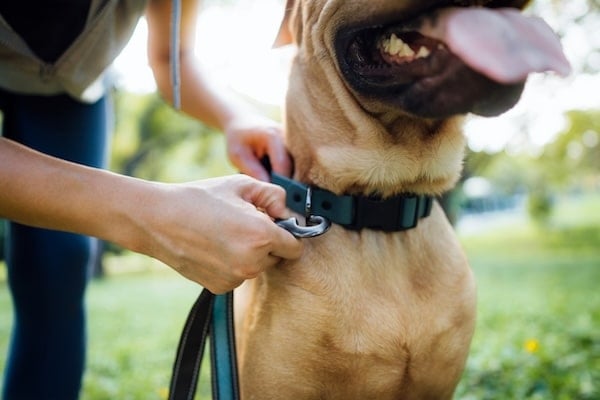
When you’re walking an intact dog, always use a secure leash and a well-fitted harness. Harnesses can be tricky, so don’t be afraid to ask the owner for guidance on getting the right fit beforehand. Avoid retractable leashes; these don’t give handlers the best control, and it’s safer to keep an intact dog close to you.
Try to minimize distractions during walks, too. This means leaving your headphones at home and ignoring your phone so you can focus fully on the environment.
Territory marking
Unfortunately, intact males are more likely to urine-mark indoors, especially in new environments like a sitter’s home or when they smell another dog’s urine. That’s why it’s super important to clean any urine-marked areas with an enzymatic cleaner right away.
Another potential solution is using a belly band, which is an absorbent fabric wrap that prevents urination on objects. It’s worth asking the owner if they’ve ever used belly bands before and whether they helped.
Preventing pregnancy
An intact male dog will be fixated on mating. Don’t underestimate their motivation to reach a nearby female; they’ve been known to break through barriers, jump fences, or escape to do so. Your safest option is to avoid booking intact males and intact females together. It can be nearly impossible to keep them separate, no matter how hard you try.
Stay alert on walks. If you encounter a female in heat, the male dog may try mounting them. It can be difficult to stop this behavior, even while on a leash, especially if the dog is large and overpowers you. Avoid such encounters by steering clear of unfamiliar dogs and staying aware of your surroundings at all times.
AsiaVision via iStock
Intact Female Dogs
For the most part, caring for an intact female dog will be similar to caring for a spayed female dog. However, it’s a different story if she’s in heat. Here’s how to prepare.
Understanding estrus
Typically, female dogs go into heat every six months, though this varies by breed. Smaller breeds may go into heat about three times a year, while larger breeds often have a cycle once per year. The complete estrous cycle lasts about two to three weeks.
Ask the owner when their pet’s last heat cycle was—and when they expect the next one to occur. This will help you prepare accordingly. You should also discuss any personality shifts you can expect or behaviors to watch for. How does the owner manage hygiene? How do they keep their dog comfortable? These are all good things to cover.
It’s also crucial to monitor the dog’s health during this time. Dr. Meyers says excessive lethargy, increased thirst, or abnormal discharge could be a sign of infection. If you notice any of these symptoms, contact the owner for further guidance.
Attracting male dogs and preventing pregnancy
When a female dog is in heat, she releases pheromones that can attract male dogs from over a mile away.
“One of the biggest misconceptions I see is that a dog in heat is ‘safe’ in a fenced yard,” says Dr. Meyers. “I’ve seen males climb, dig, and break through barriers.” Dogs will even mate through a chain link fence. Always supervise outdoor time closely, and consider using a leash for potty breaks.
If possible, opt for walking routes with minimal foot traffic, like an office park or school parking lot. You might also consider carrying a deterrent, like an umbrella that you can open if an interested suitor approaches.
Ultimately, the safest strategy is to keep intact female dogs indoors as much as possible during their heat cycle.
Hygiene
A dog’s heat cycle can get messy. Many pet parents use dog diapers or sanitary pads to manage discharge. These help keep your home clean and prevent excessive licking that could lead to irritation. Be sure to change diapers regularly to keep the dog comfortable and prevent infections. If you’ve never used a doggy diaper, ask the owner to run through the process with you.
Keep a close eye on the dog while she is wearing a diaper or pad. She may try to remove it or chew on it. Also, remember to take off pads when she goes outside to potty.
You can cover bedding with towels for easier cleanup. It’s also wise to have enzymatic cleaners on hand to tackle odors and stains.
Behavioral changes
Some female dogs in heat become extra clingy and attention-seeking. Others become less tolerant of other pets around them. If the dog seems irritable, give her some space and keep other pets away from her.
You may also notice changes in her energy level. Some dogs become lethargic when they’re in heat; others become restless and need to expend more energy. Pay attention to where your Rover dog stands and tailor your activities accordingly. Let the dog rest if she’s tired. If she’s wound up, engage her in play and exercise.
It’s not uncommon for dogs in heat to feel uncomfortable or anxious. If this is the case, help her relax by creating a cozy space with soft blankets and favorite toys. Finally, be aware that these dogs may be distracted and less responsive to cues during this time. Be patient and remember she’s not being willfully disobedient or stubborn.
Intact Male Cats
It’s pretty rare to encounter an intact male cat on Rover. If you do, here’s how to care for them.
Spraying
Unneutered cats are known for spraying. The odor is strong and hard to remove, so prevention is key. To minimize territory marking, limit the cat’s exposure to outdoor cats by keeping windows and blinds closed. If accidents happen, clean the area right away with an enzymatic cleaner.
Another creative solution recommended by the ASPCA is setting up a “kitty urinal.” Cats tend to spray against vertical objects, so you may be able to save your client’s furniture with a litter box that stands vertically. First, position a litter box against a wall or other vertical surface. Then, sprinkle litter in the bottom. To encourage use, rub dirty litter from their original litter box against the surface.
Roaming instinct
Like male dogs, intact male cats are driven to roam, especially when they sense a nearby female in heat. If these cats escape, they can get lost, cause pregnancies, or be injured by a car, wildlife, or other territorial felines. Dr. Meyers notes that a roaming intact male cat also has a higher risk of contracting infectious diseases, including viruses spread through bite wounds.
To prevent these issues, always keep intact male cats indoors, unless they have access to a secure outdoor enclosure, like a catio. Even in a catio, it’s important to supervise these cats. Be careful when opening doors and watch for slippery door dashers. Make sure windows are screened before opening. If you’re unsure how secure a window screen is, only open it a couple of inches.
Aggression and increased vocalization
Intact male cats can be more territorial and may react more strongly to other animals, even through a window, says Dr. Huyn Han, a veterinarian with TelaVets.com. To manage this, close the blinds and play white noise or music to block outdoor triggers.
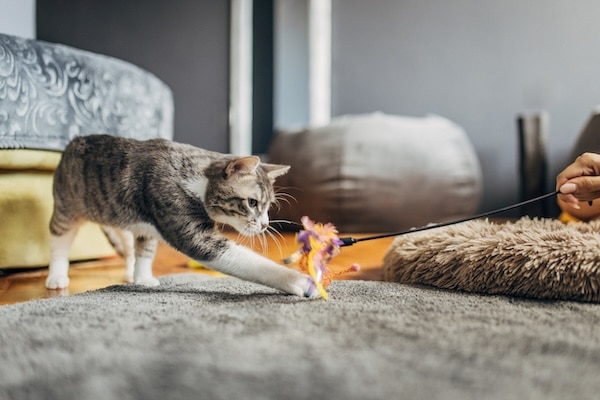
Intact males are also more likely to trigger tension with other cats in multi-pet homes. You’ll probably have to deal with some yowling, too. Try engaging the cat in play to provide safe outlets for excess energy and improve moods. A feather wand or laser pointer are two easy ways to get cats moving.
Bogdan Stanojevic via iStock
Intact Female Cats
As with female dogs, caring for female cats is mostly the same, whether they’re intact or spayed. Differences arise if she’s in heat.
Understanding the heat cycle
Female cats can start having heat cycles as young as 4 months. Cats breed seasonally, typically during the nine-month stretch from late-January through October. During that time, cats can have twelve or more heat cycles, occurring as often as every two to three weeks. Each cycle lasts from 4 to 20 days.
Ask the cat’s owner when their pet’s last heat cycle was and when they expect the next one. This gives you an idea of whether they’re likely to be in heat on your watch. It’s also smart to ask the owner how they keep their cat comfortable during a cycle. How do they manage behavioral changes, the urge to roam, or excessive vocalization?
Roaming instinct
The best way to prevent pregnancy in female cats is to keep them indoors. This means thoroughly escape-proofing your client’s home. If the home has a double door entry, always make sure the cat is securely behind one door before opening another. Check that all windows are closed or have secure screens. You can also ask the client if they have pet gates; if not, consider bringing your own to set up at doorways.
Spraying
While spraying is a bigger issue with intact male cats, you may experience it with females, too. If this happens, use a blacklight to spot urine marks and clean them immediately with an enzymatic cleaner to discourage repeat offenses.
Caterwauling
“Intact female cats in heat can be very vocal. It’s not subtle,” says Dr. Han. Unfortunately, there’s not much you can do about persistent yowling, but understanding that it’s par for the course can help you avoid panicking or mistaking it for a medical emergency.
Beyond ignoring the noise, you could try using pheromone sprays or diffusers to create a sense of calm. If the caterwauling persists, the ASPCA recommends blocking access to your bedroom at night and playing relaxing music or white noise to mask the noise.
Behavioral changes
Like dogs, you can expect some behavioral changes while a cat is in heat. If she becomes extra clingy and affectionate, providing a pet-safe heating pad is a nice comfort. She may also experience restlessness or become irritable with other pets. Clocking in some extra playtime can help her blow off steam and prevent negative interactions. In some cases, you might need to keep pets separated.
While these behaviors can be frustrating, remember they’re beyond the cat’s control. Approaching the situation with empathy and patience is always the best answer.
Should You Take On an Intact Pet?
If you don’t feel equipped to take on care for a pet, it’s always okay—in fact, important—to say no. Some good reasons to consider saying no to caring for an intact pet include:
- You’re caring for multiple pets at home or may not be able to prevent interactions with other animals if needed
- You’re not confident you can prevent roaming behavior or determined escape attempts
- You’re concerned about managing hygiene or accidents in the home
If you’re interested in taking on the care of an intact pet, make sure to give yourself plenty of time to ask questions at the Meet & Greet so you’re prepared to manage behavior, roaming instincts, and hygiene and comfort. Intact pets can be great and lovable guests once you have the knack of managing their specialized care.