Summer Safety Tips for Cat Sitters
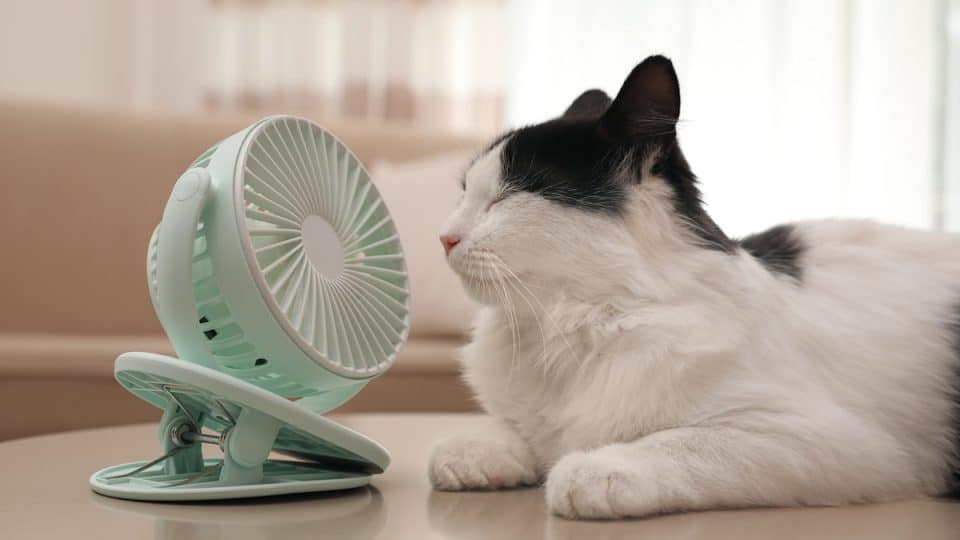
While most cats are sun seekers, extreme heat can be uncomfortable and even dangerous for them. The hot summer months often come with increased risk of heat stroke and dehydration. A great pet sitter will be on top of it, monitoring their cats’ water intake, ensuring good air circulation, and watching carefully for signs of discomfort.
Here are our favorite tips for keeping the cats in your care comfortable and safe this summer.
Indoor Summer Safety Tips
Whether you’re doing a drop-in visit or house-sitting, it’s a good idea to ask a cat’s owner how they keep the house cool. Make sure you know how to operate any cooling systems, like AC and fans, plus how the owner uses shades and blinds to minimize heat. Make a note of how to keep the house as cool as possible when you leave.
Once you’ve got climate management down, help your Rover cats stay comfortable by:
- Monitoring high-risk cats. Watch for signs of overheating, especially in senior cats, young kittens, overweight cats, cats with thick coats, brachycephalic breeds like Persians, and cats with heart or breathing conditions.
- Circulating air. Use fans or air conditioning to keep indoor temps down. You could also place a frozen water bottle in front of a fan for a makeshift AC unit.
- Opening windows—but only if they’re secure. Cracking windows can encourage airflow, but it’s important to make sure they all have secure screens to prevent escapes.
- Closing shades during peak sun hours. While most cats love to sunbathe, intense sunlight can cause overheating. Close curtains and blinds before the hottest parts of the day.
- Providing plenty of fresh water. Make sure cats always have access to multiple water bowls throughout the home. Refresh and refill often. If you’re doing a drop-in visit, add a few ice cubes to the cat’s water bowls before heading out to keep them cool longer.
- Being strategic with water bowl placement. Entice cats to drink more by placing water in quiet, out-of-the-way locations, separate from litter box areas. This is especially important in multi-cat homes.
- Encouraging hydration. If the owner uses a cat water fountain, make sure you ask how to refill and maintain it. You can also ask for permission to serve wet food or add water or broth to dry food to help the cat hydrate. Just be sure to pick up any unfinished wet food before you leave, as it can harbor bacteria in the heat.
- Offering frozen treats. Ask the owner if you can offer their cat frozen bone broth cubes or a frozen lickable treat to cool down.
- Keeping bathroom access open. “Cats tend to gravitate toward cooler surfaces, and tiled flooring can help achieve this,” says Dr. Aimee Warner, resident veterinarian at Waggel. Leave bathroom doors open to give cats a cool floor for lounging.
- Creating cooling zones. Set up cool resting areas with damp towels, cooling mats, or frozen water bottles wrapped in towels for the cat to lounge on.
- Grooming regularly. Grooming helps remove excess fur, which can enhance air circulation around the skin. Ask clients about their grooming routine and tools.
- Cooling cats down with a damp cloth. Not all cats will like this, but you can ask clients if their pet will tolerate being stroked with a damp washcloth or paper towel. This can help cool them off.
Outdoor Summer Safety Tips
Some cat parents let their cat go outdoors, and you may encounter Rover kitties who are allowed quick trips to the backyard or catio. You may even watch cats who enjoy leashed walks around the neighborhood. All of these cases require special considerations in the summer heat.
Here’s how to keep cats safe while enjoying the outdoors in summer.
- Supervise outdoor time. Always keep a close eye on cats when they’re outside, and never let them be outside alone.
- Watch for toxic plants. Familiarize yourself with plants that are toxic to cats and keep your Rover pets from nibbling on them. Common examples include lilies, tulips, and daffodils. Remember, even non-toxic plants can cause an upset tum.
- Avoid harmful chemicals. Keep curious cats away from areas treated with pesticides, fertilizers, or pool chemicals. These substances can be toxic if ingested or absorbed through the skin.
- Provide shade and water. Ensure the outdoor space has plenty of shaded areas and access to multiple sources of fresh water. Most cats will retreat to a shady area when they get too hot from sunbathing.
- Avoid outdoor time during peak heat. Limit outdoor time to early mornings and evenings, and avoid letting cats outside during the hottest parts of the day (typically between 12 PM and 2 PM).
- Use a cat-specific harness and leash. If you’ll be going on leashed walks, make sure to use a proper harness designed for cats, since regular collars can slip off. Ask the client for instructions on use beforehand.
- Protect paws from hot surfaces. Be mindful of surfaces like pavements and decks, which can get extremely hot in the sun.
- Set pool safety rules. If your client’s outdoor space includes a pool, always supervise the cat near it. Don’t let cats drink pool water—it can have harmful chemicals.
- Avoid strenuous play. While outside, keep playtime relaxed and avoid vigorous activities to prevent overheating and fatigue.
- Monitor behavior. Watch for signs of discomfort, like excessive panting or seeking shade. Be ready to bring cats indoors if they show any signs of distress.
ecep-bg via iStock
Signs of Heat Stroke in Cats
Dr. Warner says most cats can manage their temperature by adjusting their exercise and where they sleep. Even so, heatstroke is still a risk for cats in hot weather. Pet sitters will want to be aware of the signs, which include:
- Restlessness and pacing
- Panting and open-mouth breathing
- Excessive grooming
- Unusual vocalizations
- Drooling
- Seeking shade or water
- Rapid, heavy panting and difficulty breathing (if condition worsens)
- Disorientation and poor coordination
- Pale gums or an unusual gum color, like purple or red
- Muscle tremors or shaking
- Vomiting
- Lethargy and weakness
- Loss of consciousness or collapse
- Seizures
How to take action
If you notice that a cat under your care is showing signs of heatstroke, Dr. Warner says the first thing you should do is get the cat to a cool, shaded, well-ventilated area and call the vet clinic. Be prepared to transport the cat to a vet right away.
“It’s crucial to act quickly,” she says. “Heatstroke can turn from mild distress to a severe emergency in a matter of minutes, so your immediate response can make a significant difference in the cat’s outcome.”
On your way to the vet, Warner advises placing cool (NOT ice-cold) wet towels around the cat’s body, particularly around the paws, belly, and groin. She also says you should provide a small amount of fresh water, but don’t force it. Make sure to run the air conditioner or keep the windows rolled down on the drive.
Remember, even if the cat appears to improve, it’s still critical to get immediate veterinary care to ensure they’re on the road to recovery.
Summer Tips for Car Rides
As a pet sitter, you may run into situations where you need to transport a cat in your vehicle. This might include pick-ups or drop-offs or taking a cat to a scheduled appointment.
Car safety is important in every season, but there are some special considerations to take when traveling during the summer months:
- Never leave a cat in a parked car. Even for a short time, the temperature can rise rapidly, posing serious health risks.
- Pre-cool the car before entering. Run the car’s air conditioning with the doors open for a few minutes to lower the temperature before placing the cat inside.
- Maintain ventilation. Ensure there’s plenty of airflow by using AC, crate fans, or cracking windows.
- Make sure the cat is secure. Always travel with the cat secured in their carrier—especially when the windows are down.
- Pack water. Bring portable water bottles and a small bowl to keep the cat hydrated.
- Park in the shade. If you’re waiting in the car with the cat, find a shaded area to help keep the car’s interior cool. This also keeps it comfier upon your return if you leave the car with the cat.
- Travel during cooler hours. If possible, schedule trips early in the morning or later in the evening when temperatures are milder.