- Not a substitute for professional veterinary help.
Cats might have a reputation for being independent—but these loving creatures require diligent care and plenty of affection. Offering head scritches is the easy part. To really care for a cat, you’ll need to ensure all their needs are met, from providing a healthy diet and hygienic litter box to routine grooming and mental enrichment.
In this guide, we’ll cover eight essential categories for cat care, offering dos and don’ts for each. If you’re a new pet parent, we even have a handy supplies checklist to help you gather everything you need before bringing your furry friend home.

Food & Water
Providing your cat with fresh food and water each day is essential to their well-being. Whether you feed wet food or dry kibble, you’ll want to take your cat’s individual needs into consideration. Consult your vet if you have any questions, and keep these cat care tips in mind.
Do
- Stick to proper portion sizes. How much your cat eats will depend on factors like age, size, lifestyle, and your vet’s recommendation. Knowing your cat’s specific portion amount and sticking to it daily will help keep them at a healthy weight.
- Maintain a consistent feeding schedule. While most adult felines do well with eating two meals a day, how often you feed your cat will depend on your schedule and your individual cat. The main goal is to keep a routine so you can monitor any changes in your kitty’s eating habits.
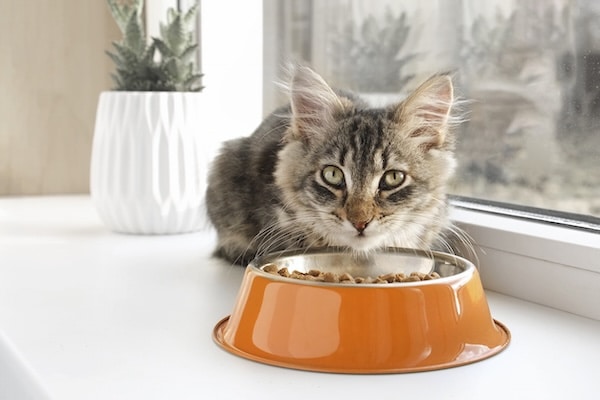
- Keep your cat well-hydrated. The average 10-pound adult cat requires approximately one cup of water per day. While some cats have no problem lapping up water from a regular bowl, others might need more encouragement with a cat fountain.
- Opt for multiple water bowls. A good rule of thumb is one water bowl per cat in your household, plus one extra. That way, your cat always has one to drink out of in case the other is dirty, spills, or is being used.
Don’t
- Free-feed your cat if they’re prone to overeating. Leaving kibble out for your cat to graze on throughout the day might be convenient, but it can also lead to obesity. If your schedule calls for free-feeding, measure what you put in the bowl and time refills carefully.
- Leave wet food out for more than two hours. Unlike kibble, wet food can grow bacteria that will harm your cat’s gut health if left out too long.
- Place food and water bowls near the litter box. To avoid dust and litter particles in the bowls and territorial behavior in multi-cat households, place food and water stations in a low-traffic, quiet area away from litter boxes.
- Forget to clean your cat’s bowls. The U.S. Food & Drug Administration recommends washing pet bowls with soap and hot water after each use.
Marina Demidiuk via iStock
Litter Box
With a variety of litter boxes and litter types available, finding the right arrangement for your cat comes down to personal preference and cleanliness. Age, health, and even temperament can impact what your feline favors when it comes to doing their business. Here are a few things to keep in mind for your cat’s litter box setup.
Do
- Provide multiple litter boxes. Cats can be territorial, so offer several bathroom options for multi-cat households. Experts recommend one box per cat, plus one extra, distributed throughout the home.
- Keep the litter box clean. Scoop daily and strive to give your cat’s box a thorough deep-cleaning, litter and all, every few weeks. If hectic schedules get in the way, consider investing in an automated self-cleaning litter box.
- Find the right type of litter for your home. When deciding on litter, consider your cat and your space. For instance, if you have multiple cats, a clumping clay litter makes for easy cleanup. Low-dust pellets, on the other hand, might be better for senior cats with respiratory issues or in homes where someone has asthma.
Don’t
- Keep litter boxes in a high-traffic area. A poorly placed litter box may cause your cat stress and anxiety. Most prefer to do their business in privacy, so a noisy or high-traffic area will likely deter them from using their box as needed.
- Ignore the signs your cat isn’t happy with their setup. Finding the right litter box might take some time. In your quest, aim for a box that’s at least 1.5 times the size of your cat, is easily accessible, and makes routine cleaning manageable for your lifestyle.
- Use too much or too little litter. Typically, the recommended amount of litter is about 2 to 4 inches. Too much litter can create an unstable surface and make the surrounding floors messy. Too little means litter won’t clump properly, and your cat won’t be able to bury their waste.
Grooming
Although cats are fastidiously clean creatures, a little extra grooming support goes a long way. Not only does it help reduce shedding and hairballs, but it also keeps your feline friend looking and feeling their best. Here are some dos and don’ts when it comes to your cat’s grooming care.
Do
- Trim your cat’s nails every 2-4 weeks. Routinely trimming your cat’s nails keeps their paws healthy, helps protect your furniture, and prevents accidental scratches.
- Brush your cat’s coat regularly. Daily brushing for long-haired cats and weekly brushing for short-haired cats prevents matting and can reduce hairballs.
- Keep your cat’s teeth clean. Routinely brushing your cat’s teeth two to three times per week at home can help remove plaque and lower the risk of dental disease.
Don’t
- Bathe your cat unless necessary. Unlike dogs, cats are generally self-cleaning and won’t require frequent full-body baths unless they have a medical issue or become very dirty.
- Ignore overgrooming tendencies. If you notice your cat excessively grooming, book an appointment with your vet. Overgrooming can arise due to allergies and dry skin, parasites, infection, stress and anxiety, or even boredom.
- Use scissors to remove mats of fur. For mild matting, use a comb and detangler at home. If the mats are too large, it’s best to seek help from a professional groomer. Never use scissors to cut out mats, as it risks injuring your cat.

Aksenovko via iStock
Enrichment & Activities
Cats require regular physical and mental enrichment to prevent boredom and improve their overall well-being. From puzzle toys to scratching posts, consider the ways you can add stimulating activities to your cat’s day.
Do
- Add food enrichment. Puzzle toys are a great way to keep your feline’s mind active and encourage natural hunting behaviors.
- Prioritize play sessions. Playing with your cat provides them with exercise and mental stimulation. Experts recommend about 30 minutes of play each day with your cat.
- Provide plenty of scratching surfaces. Since scratching is a natural feline behavior, placing a few cat-friendly posts and surfaces around the home will encourage your cat to scratch their claws without ruining your furniture.
Don’t
- Use laser toys incorrectly. Lasers are a fun way to interact with your cat and unleash their natural prey drive. You’ll just want to keep play sessions short and make sure you let your cat “catch” the laser, to prevent frustration and overstimulation.
- Assume training is just for dogs. Cats respond to clicker training, too! Through positive reinforcement training methods, your cat can learn a variety of tricks and preferred behaviors like settling in one place instead of counter surfing.
- Let your cat outdoors without a safety plan. If you let your cat free-roam outdoors, make sure you still have a way to keep tabs on them with a GPS collar. Better yet, consider finding some middle ground by teaching your cat to walk on a leash or ride comfortably in a backpack. A catio can also provide a safe, confined space to be outside.
Spay & Neuter
Spaying or neutering your cat helps prevent unplanned litters and may lower the risk of cancer and infectious disease. It can also curb behaviors like urine spraying or aggression, making life more comfortable for both you and your pet.
Do
- Look into different options in your area. Spaying can cost around $200, with neutering usually costing a little less. Your local vet can perform these procedures, but you might also find various clinics and organizations that offer free or low-cost services.
- Keep your cat from licking their incision. An e-collar or recovery suit can keep your cat from messing with their wound and causing an infection. With a little love, care, and rest at home, most cats heal from the procedure in about a week or so.
Don’t
- Feed your kitty before surgery. Withholding food before surgery will make it less likely that your cat vomits under anesthesia. Once they’re back home, offer small amounts of food two to four hours after they’ve returned.
- Assume only young cats can be fixed. It’s common practice to have your cat spayed or neutered at around six months, but if you adopt an older unfixed cat, they can still receive the procedure, no matter their age.
Veterinary Care 101
Being a responsible pet parent involves planning for vet visits and medical expenses. Here are some dos and don’ts to keep in mind to help your cat stay healthy and happy.
Do
- Stay up to date on vaccinations. Vaccinating your pet is one of the best ways to keep them safe. Common cat vaccines protect against diseases like rabies and feline leukemia virus. If you’re adopting a new kitty, make sure their shots are up to date.
- Consider pet insurance. Getting your cat on a pet insurance plan can be especially helpful in the event the event they need unforeseen costly procedures or treatments.
Don’t
- Skip annual vet visits. Even if your cat seems to be in good health, it’s still best practice to bring them in for a yearly checkup. During this visit, a vet will assess your cat’s physical and dental health, helping to catch illnesses before they becomes more serious.
- Skip flea and tick treatment. Even indoor-only cats need to take preventative measures for parasites. Other people and pets can still carry fleas into your home.
Toxins & Safety
When creating a safe, toxin-free environment for your pet, knowledge is power. Knowing what poses a risk to your feline if ingested, and taking safety measures around the home, can prevent accidents and injuries.
Do
- Get your cat microchipped. In the event your cat goes missing, microchipping is one of the best ways to help shelters, vets, or good citizens return your feline family member.
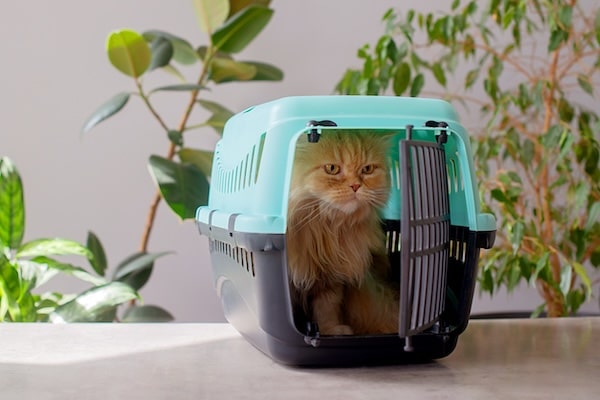
- Be mindful of open doors. Cats are renowned escape artists. Keeping doors secure will help avoid mishaps. If your indoor cat is yearning to go outside, consider a safe, portable enclosure.
- Keep harmful substances out of paw’s reach. Along with cat-proofing your home, make sure to keep food, cleaning solutions, and other harmful items out of your cat’s path.
Don’t
- Keep plants in your home without checking if they’re cat-friendly first. Some greenery is extremely poisonous to cats, making it extra important to keep these items out of the house or away from their reach. Consider cat-friendly alternatives that you can use to decorate your home.
- Share food with your cat. While certain human foods are non-toxic and make for a fun treat when offered sparingly, others should be completely avoided, even in small quantities.
Seasonal Safety
Being mindful of the changing seasons is important as a pet parent—especially if your cat enjoys the outdoors. From keeping your cat warm during colder months to cooling them down as temperatures rise, practicing seasonal safety based on your cat’s environment will make for a happier, healthier kitty year-round.
Do
- Always provide access to fresh water. Hydration is one of the best steps to prevent dehydration and overheating. Keep fresh water in multiple locations, available for your cat at all times.
- Secure screens and windows before warmer weather. Cats love to sit in windows, bask in the sunshine, and watch birds and critters outside. As spring weather approaches, make sure to your windows and screens are secure to keep them from falling out or escaping.
- Offer plenty of places to snuggle during winter. Giving your cat plenty of warm and cozy spots to curl up, such as fleece blankets or heated beds, can provide some reprieve from the chilly months.
Don’t
- Ignore signs of heatstroke. Lethargy, panting, and drooling are some of the signs that your cat is overheating. If your cat is showing signs of heatstroke, take immediate action to cool them off and seek urgent vet care.
- Leave your cat in a parked car. Leaving your cat alone in a parked car, even for a short duration, can lead to heat exhaustion. The same goes for other poorly-ventilated areas such as garages and sheds.
- Ignore the signs that your cat is too cold. Signs your cat has hypothermia include shivering, slowed breathing, and lethargy, and warrant a trip to the vet for immediate treatment. If you have an indoor-outdoor cat, the best way to prevent hypothermia is to keep them inside when the temps fall below 45°F.
Lavju via iStock
Supplies
A little preparation goes a long way when adopting a cat, and investing in the right supplies will make for a smoother transition as they integrate into their forever home. Here are some essentials to have on hand.