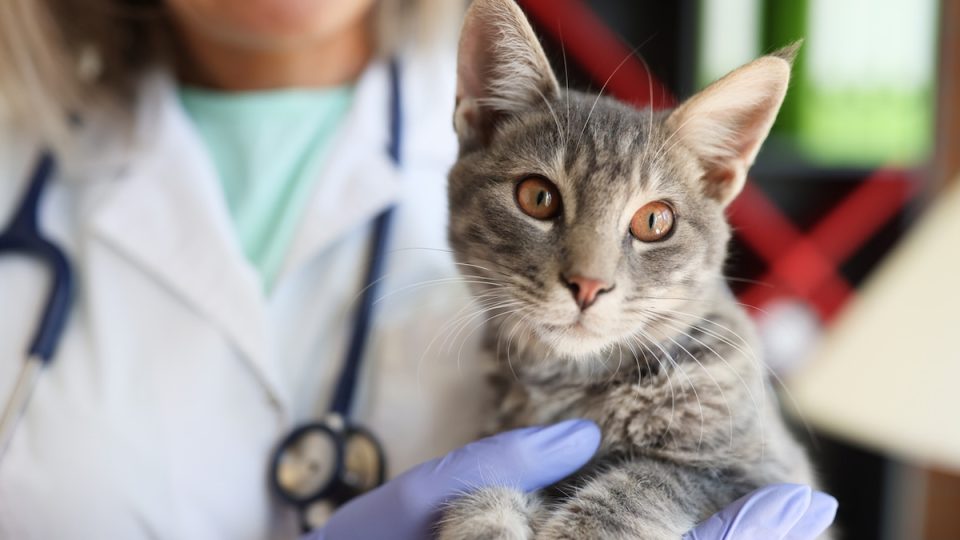
- Not a substitute for professional veterinary help.
Just like humans go to the doctor for routine physicals, cats need regular checkups, too. Annual vet visits help maintain your cat’s health, ensuring they’re up to date on vaccinations, flea and tick medications, and other preventive measures.
Annual vet visits for cats also help you catch potential health issues early and establish plans for ongoing care. “Cats are incredibly good at hiding illness,” says Dr. Jo Myers, a licensed veterinarian and consultant for Vetster. “Some of the most important diagnoses I’ve made started as subtle findings on a routine exam in a cat that seemed totally normal.”
Read on to learn more about what to expect at your cat’s wellness exam, how much these visits usually cost, and how often to take your cat to the vet.

What To Expect at a Cat Wellness Exam
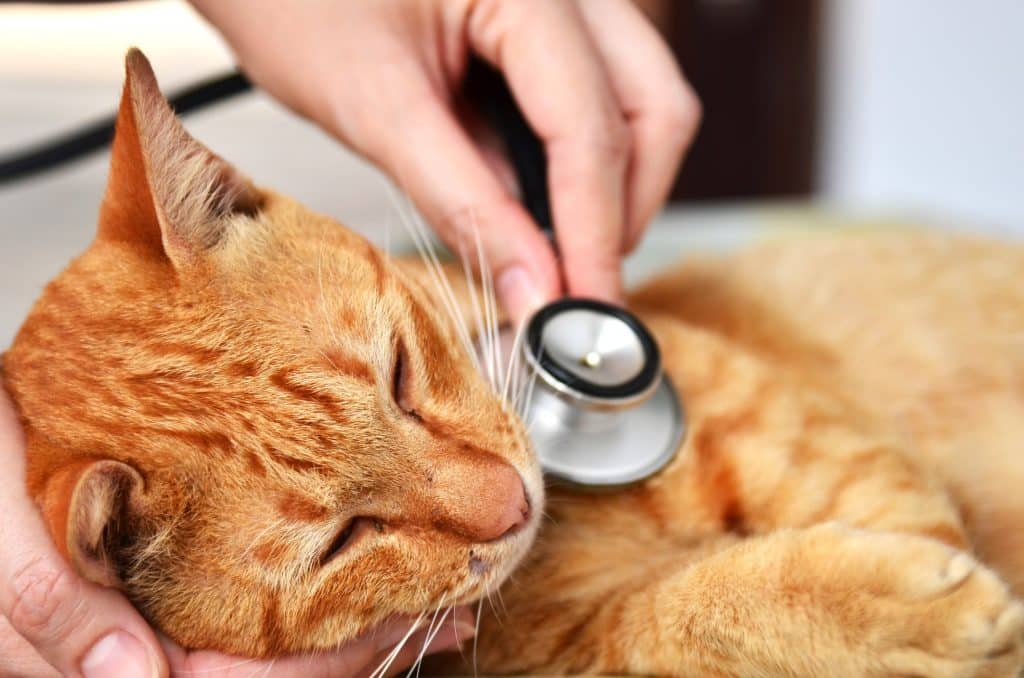
Annual checkups are an opportunity for you and your cat’s vet to discuss their overall health. “I think of it as a head-to-tail evaluation, combined with a conversation,” says Dr. Myers.
During a typical wellness exam, veterinarians will conduct a full-body physical examination of your cat. Dr. Myers says pet parents can usually expect vets to check their cat’s:
- Eyes, ears, nose, and oral cavity (dental disease is extremely common in cats)
- Heart and lungs
- Body condition and weight trends
- Skin and coat
- Abdomen, including kidneys and bladder
- Joints and mobility
In addition to a physical exam, you can also expect to discuss your cat’s nutrition, what kind of food they eat, litter box habits, and any other subtle changes you’ve noticed since their last visit (if any).
-

iStock/Jeng_Niamwhan
How much are annual vet visits for cats?
The cost of an annual vet visit for cats varies depending on several factors, including your location and what’s included in the examination. You can expect to pay between $50 to $150 for a standard visit. These costs can increase if your vet recommends additional diagnostic tests for your cat.
Pet insurance may help offset some of the costs of annual wellness exams. Most standard pet insurance plans are meant to cover unexpected medical expenses if your cat gets sick, but some offer wellness add-ons that cover annual checkups and vaccines too.
For other low-cost options, Dr. Myers suggests looking into local shelters or community clinics that offer reduced-cost services. You can also ask your vet if they offer virtual care appointments as a starting point. “It does not replace a hands-on exam, but it is a very practical way to talk through concerns, decide what is truly needed, and prioritize next steps before committing to in-person care,” she says.
How to make a vet visit less stressful for cats
Whether you’re a human or a cat, visiting the doctor can be stressful. Luckily for cat parents, there are some things you can do ahead of time to make things easier.
- A few days before the vet visit, leave your cat’s carrier out at home so they become familiar with it and begin to see it as a safe space.
- Fill the carrier with soft bedding and familiar scents to help keep your cat calm in transit.
- Keep the environment as calm and predictable as possible.
- Avoid forcing interactions if your cat is distressed.
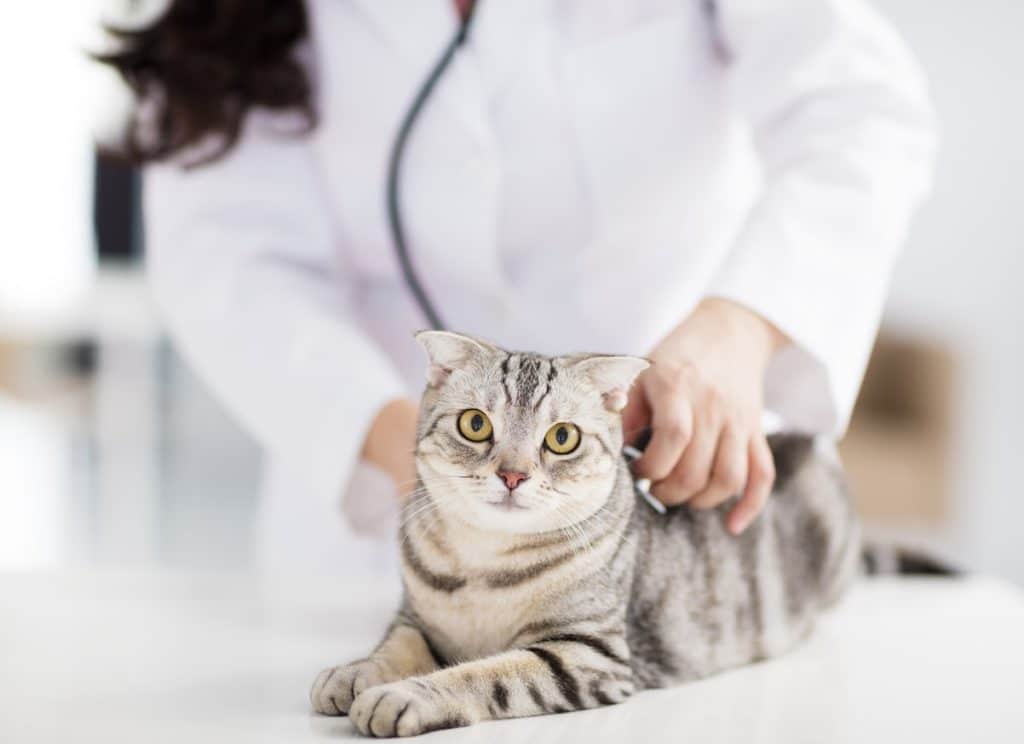
In some cases, Dr. Myers recommends pre-visit calming strategies (spraying the carrier with pheromones, limiting time in the waiting room, etc.) and medications prescribed by your vet to help keep your cat calm during their visit.
iStock/Tomwang112
How Often Should I Take My Cat to the Vet?
How often you take your cat to the vet for routine checkups will depend on their age and overall health. Here are some general rules for various life stages and health conditions.
Kittens
Kittens require more frequent vet visits, usually every 3 to 4 weeks until they’re 16 weeks old. In their first few weeks, they’ll need multiple rounds of vaccinations to build immunity, along with regular health surveillance to make sure their nutrition and growth are on track. These visits also allow your vet to check for genetic or congenital health conditions.
Adult cats (1-10 years)
On average, healthy adult cats should visit the vet at least once a year for a wellness exam. Even if your adult cat seems healthy, annual checkups are important for their well-being. “Preventive visits are not just an added expense, they are one of the most reliable ways to avoid larger, more stressful, and more expensive problems later on,” says Dr. Myers.
Senior cats (10+ years)
As cats age, they’re more likely to develop chronic conditions, like kidney disease, arthritis, and diabetes, and require more frequent vet visits. For senior cats, it’s a good idea to take them to the vet at least once every 6 to 12 months. More frequent vet visits can help you spot potential progressive diseases early and allow you and your vet to create a plan to manage your cat’s symptoms and health.