- Not a substitute for professional veterinary help.
It’s natural to be concerned if your dog isn’t eating. But the occasional skipped meal isn’t always cause for alarm. A decreased appetite can result from non-emergency factors like stress, travel, hot weather, or even boredom.
Most healthy adult dogs can go a day or two without food without serious long-term health consequences, says Dr. Keith Rode, a veterinarian at Woodland Veterinary Hospital. However, you should contact your vet if your dog hasn’t eaten in 24-48 hours, or you notice other symptoms like vomiting, diarrhea, pale gums, lethargy, or a swollen abdomen. In these cases, refusal to eat could point to an underlying issue.

You should also contact your vet if your dog isn’t drinking, since it’s dangerous for dogs to go more than 24 hours without water.
In this guide, we’ll explain when it may be normal for your dog to skip a meal and when to be concerned. We’ll also share tips for encouraging a reluctant eater.
When Not Eating May Be Normal
It’s important to contact your vet if your dog hasn’t eaten in 24-48 hours. But if it’s been less than 24 hours and your dog is otherwise happy, energetic, and hydrated, a skipped meal isn’t a major cause for concern. Here are some normal, non-urgent reasons your dog might have a decreased appetite.
Hot weather
Just as we can feel sluggish and less inclined to eat big meals in the summer, food can become less appealing to our dogs in warmer weather. When it’s hot, digestion slows down, which can make your dog less hungry. Dogs also tend to exercise less and burn fewer calories in the heat.
Boredom
If your dog has been eating the same food day after day, they may have simply lost interest in their meals. To entice your dog to eat, try rotating in a new food with a different flavor or texture. Or add a meal topper, broth, or wet food to their usual kibble.
Overeating earlier
Your dog could just be full. If they’ve indulged in too many treats or human food during the day, they might be uninterested when dinner is served. Try sticking to the 10% rule, with treats making up no more than 10% of your dog’s daily calorie intake.
Mild upset stomach
A sour stomach can put your dog off their food. Dogs can experience gas, nausea, and a decreased appetite when they’ve eaten something that doesn’t agree with them (dairy and fatty meats are common culprits).
They might also feel queasy after a car ride or have an upset stomach if you’ve recently changed their diet.
Your dog is nervous
Stress is another common factor. Dr. Rode says dogs can experience appetite changes in response to:
- Unusual smells in the house
- Noises
- A new pet or baby coming into the household
- Changes in routine
- Separation anxiety
- Travel
- Staying in a new place
Medication side effects
Some medications may cause nausea and reduced appetite. This can also happen after a vaccination or anesthesia. Always follow the aftercare advice from your vet, and don’t hesitate to reach out if your dog’s appetite does not return as expected.
Note: If you’re not sure why your dog isn’t eating, it’s always a good idea to call your vet—they can help you evaluate when it’s time for a visit.

Sonja Rachbauer via iStock
When To Take Your Dog to the Vet
Sometimes not eating points to something more serious and needs your vet’s attention, explains Dr. Tim Hunt, veterinarian and founder of Bayshore Veterinary Hospital. Appetite loss can be due to dental pain, gastrointestinal problems, pancreatitis, infection, kidney or liver disease, pain, metabolic disorders, intestinal obstruction, or toxin exposure, he adds.
Even if it’s been less than 24-48 hours, call your vet if you notice any of the following signs.
Unusual behavior
If your dog is usually a voracious eater and suddenly refuses food, it warrants a call to the vet. Dr. Rode also recommends watching for other behavioral changes—for instance, a dog who usually barks at the mail carrier but suddenly stops. Pay attention to other mood changes, too, including withdrawal, aggression, and anxious behavior.
Your dog isn’t drinking
Dogs can go without eating longer than they can go without drinking water. If you think your dog hasn’t had water for a full day, contact your vet right away.
You may also notice other signs of dehydration like:
- Excessive panting
- Dry nose
- Dry gums or mouth
- Lethargic behavior
- Dry, sunken eyes
- Slow response time
- Decreased urination
- Dark urine
- General weakness, especially when walking
Your dog is showing signs of gastric issues
Dr. Hunt recommends calling your vet if your dog is repeatedly vomiting or has diarrhea along with a loss of appetite. You should also call your vet if your dog is constipated or they’re retching without expelling anything. This can be a sign of bloat, which is a medical emergency.
Lethargy or weakness
A dog who is sleeping more than usual or seems low-energy could be sick. If your dog isn’t eating and seems lethargic, have your vet evaluate them.
Your dog might have eaten something dangerous
“If there’s any possibility a dog has eaten something toxic or swallowed a foreign object, that also warrants prompt veterinary attention,” says Dr. Hunt. This could cause obstruction or poisoning.
If you catch your dog in the act, or find evidence that they’ve gotten into something, like chewed-up packaging or an overturned trash can, call your veterinarian.
Your dog is vulnerable
Puppies, seniors, and dogs who are small, pregnant, or have existing health conditions should be evaluated sooner, says Dr. Hunt. These dogs often lack the physical reserves to tolerate a loss in calories and are more vulnerable to health complications from not eating.
- Dogs with underlying health conditions. Dogs with conditions like diabetes or cancer can have serious consequences from going even one day without food, notes Dr. Rode.
- Puppies. Puppies need a lot of food to support their rapid growth. Dr. Danielle Bernal, a veterinarian at Wellness Pet Company, recommends three meals a day for puppies under 5 months.
- Senior dogs. As dogs get older, they may develop health issues that affect their eating. Senior dogs are also more likely to get dehydrated. If your senior dog stops eating or drinking, take them to the vet right away.
- Pregnant and lactating dogs. It’s crucial that canine mothers eat a high-quality diet so that their puppies get the nutrients they need.
- Small dogs. Dr. Bernal explains that small-breed dogs have a faster metabolism than larger ones. This means they burn through calories more rapidly and can develop hypoglycemia, or low blood sugar, if they skip just a meal or two.
Other signs
Dr. Hunt and Dr. Rode advise contacting your vet if you notice any of these signs alongside a lack of appetite:
- Difficulty breathing or swallowing
- Pale or abnormal-colored gums
- Blood in stool or vomit
- Changes in urination
- Wobbly gait or collapse
- Seizures
- A hard or swollen abdomen (sign of bloat)
- Signs of pain (restlessness, avoiding touch, whining)
Sonja Rachbauer via iStock
Tips for Encouraging a Dog To Eat
If it’s been less than 24 hours and your dog doesn’t have other symptoms, you can try to gently encourage them to eat. Here are a few strategies to help boost their appetite.
Make the food more appealing
You may be able to persuade your dog to eat with a few simple tweaks to their meals. Try some of these tips to entice them:
- Warm up their food
- Add dog-safe low-sodium bone broth, dog-safe gravy, or meal toppers to their kibble
- Mix in wet food
- Try a different food brand or flavor
- Try food with a different texture
- Offer baby food with dog-safe ingredients
- Mix in dog-safe human foods like green beans, raspberries, canned pumpkin, or sardines
Change up the routine
Your dog may prefer a different meal setup. See if any of the following arrangements help spark their appetite:
- Feed in a quiet, low-stress spot. Busy areas can be stressful or distracting, especially for puppies! Choose a quiet, low-traffic spot for your dog’s feeding station. If they’re crate-trained, you can serve meals in the crate, too.
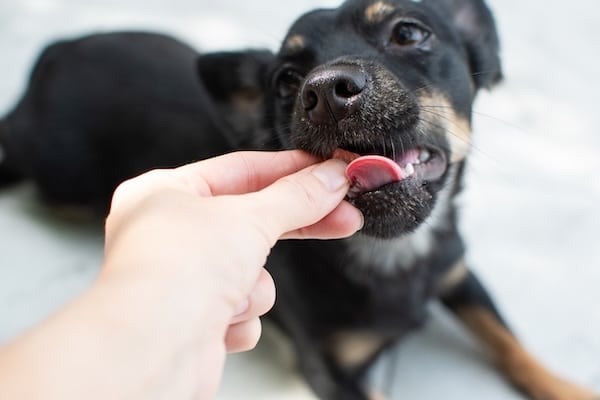
- Try hand-feeding. This interactive approach can help coax stressed or anxious dogs to eat.
- Give smaller, more frequent meals. An overly filled bowl might be overwhelming, so try breaking meals into smaller portions.
- Feed meals in a puzzle feeder. Mealtime enrichment can make eating more fun and keep your dog engaged and interested.
Get some exercise
Increasing your dog’s daily exercise can help them work up an appetite. Different types of exercise will appeal to different dogs. Some options to try include:
- Walks and sniffaris
- Fetch
- Frisbee
- Flirt poles
- Tug
- Agility
- Dog sports like dock diving and skijoring
- Hiking
- Swimming
- Scent work
Encourage a sense of calm
If your dog is experiencing inappetence due to stress, try soothing their nerves with the following tips:
- Avoid known triggers like other dogs, crowded places, or sudden loud noises
- Use calming pheromone products
- Try an anxiety wrap like the Thundershirt
- Create a safe space where your dog can take a break
- Offer plenty of mental and physical enrichment
- Talk to your vet about anxiety medication
Don’t try to force them to eat
It’s entirely natural to worry when your dog won’t eat, but experts caution against force-feeding your dog. This can cause stress and potential injury. Instead, try the feeding techniques above. If those don’t work, your vet can offer more guidance.
How a Vet Can Help
Your vet is your best resource when evaluating the seriousness of your dog’s hunger strike. Here’s what to expect during a veterinary evaluation:
- Gathering information. First, your vet will gather information about your dog’s symptoms. They may ask when your dog last ate and whether there have been any changes in their drinking, urination, bowel movements, or other behavior. They’ll also want to know about any diet changes or new medications.
- Physical exam. Next, your vet will check your dog’s mouth and teeth, abdomen, temperature, hydration, and overall condition.
- Tests. Depending on what your vet finds, Dr. Hunt says they may recommend bloodwork, urinalysis, fecal testing, X-rays, ultrasound, or other diagnostics.
- Treatments. Your dog’s treatment will depend on the underlying cause and could range from dietary management and supportive care to medications, fluids, hospitalization, or surgery.
Remember, one missed meal in an otherwise healthy dog is very different from a dog who isn’t eating and is becoming progressively ill. “Pay attention to the whole dog, not just the empty food bowl,” advises Dr. Hunt.