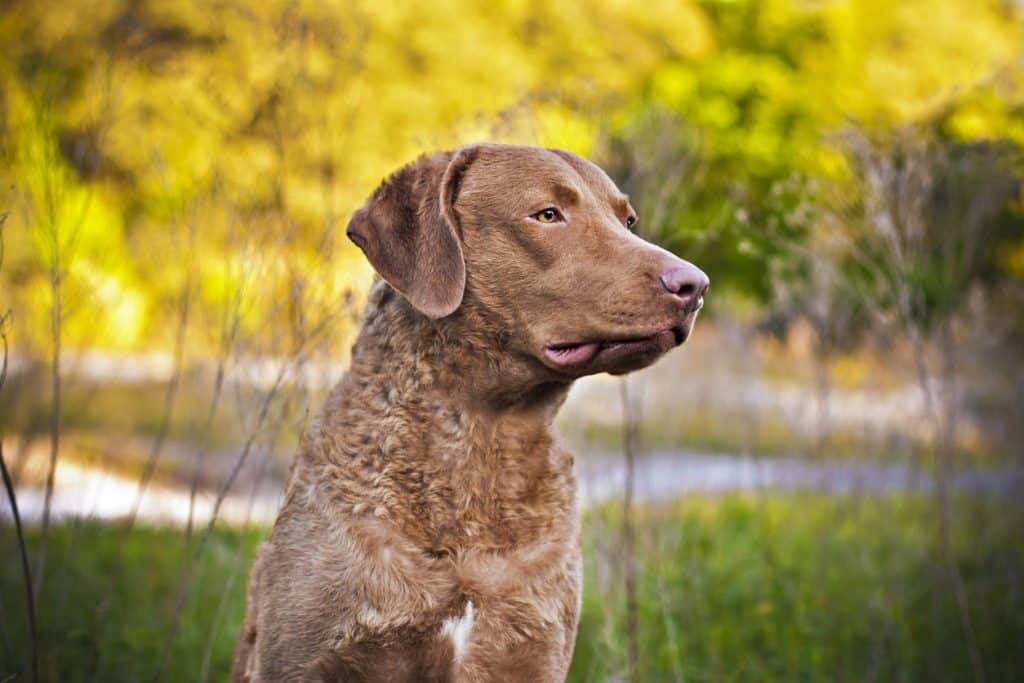
The Chesapeake Bay Retriever is well-known for their intelligence and resilience. These dogs have a long history of helping hunters catch waterfowl along the Chesapeake Bay. With their unique coats and high energy, Chesapeake Bay Retrievers—often called Chessies—are a favorite choice for active families and hunting enthusiasts.
Karen Brown, breeder and owner of Whispering Oak Chesapeakes, says Chessies are intelligent, eager-to-please dogs that can be protective of their families. However, they’re not like Labradors or Golden Retrievers. Chessies need careful training, consistent socialization, and a committed parent to thrive.
For the right family, a Chesapeake Bay Retriever can be a loyal and versatile companion. Keep reading to find out if this breed is the perfect fit for you!
Key
- Low
- Medium
- High
- Origin: Chesapeake Bay Region (Maryland/Virginia, US)
- Size:
- Weight (Male): 65-80 pounds
- Weight (Female): 55-70 pounds
- Activity level:
- Barking/howling level:
- Good with dogs: yes
- Good with kids: yes
- Shedding:
- Shedding: Seasonal
- Hair type: Double Coat
- Grooming level:
- Training level:
- Drooling level:
- Escape artist: yes
Chesapeake Bay Retriever Appearance
Chessies are strong, athletic dogs built for endurance and strength. Brown says their unique double coat helps them handle cold water. This coat comes in several colors, including brown, sedge, and the unique deadgrass.
These medium-to-large dogs stand 21–26 inches at the shoulder. Males typically weigh between 65–80 pounds and females from 55–70 pounds. With their muscular build and webbed feet, they’re natural swimmers.
Their appearance isn’t just for show—it’s functional! Their oily, water-resistant coat keeps them dry and warm during long swims, while their strong tail acts as a rudder for navigation.
Chesapeake Bay Retriever Origin & History
The Chesapeake Bay Retriever was first bred in the early 1800s along the Chesapeake Bay in Maryland and Virginia. This hardy breed was created for one main job: retrieving waterfowl in icy, challenging conditions.
The AKC officially recognized the breed in 1878, though Chessies have always been more common in the sporting world than as household pets.
Today, the Chesapeake Bay Retriever remains a beloved breed, not just for their impressive hunting skills but for their loyal companionship.
Chesapeake Bay Retriever Personality & Lifestyle
“The Chessie is a bright, intelligent dog that is eager to please,” Brown says. They’re devoted to and protective of their families, but not always friendly to strangers.
Chesapeake Bay Retrievers are also known for these common personality traits
- Loyal
- Independent thinkers
- Energetic and active
- Confident and bold
- Reserved with strangers
- Affectionate with family members
- Determined
- Adaptable but sensitive
The Chesapeake Bay Retriever dog is an excellent match for active families. Renee Jetter (KPA-CTP), owner of Canine Craze says Chessies thrive when they’re mentally and physically enriched.
Because of their activity needs, Liz Smoot Krizenesky, a NW Regional Director of Chesapeake Bay Retriever Relief & Rescue. says they might not be ideal for inexperienced pet parents. However, she says with proper guidance, patience, and training, they can become wonderful companions, even for first-time dog parents.
What’s the difference between Golden Retrievers and Chesapeake Bay Retrievers?
Chesapeake Bay Retrievers and Golden Retrievers are smart, affectionate, and love water but have very different personalities. Goldens are friendly, sociable, and eager to please, making them easy to train. Meanwhile, Chessies are independent, reserved with strangers, and strong-willed. While Goldens are adaptable, Chessies are better suited for experienced dog parents who appreciate their intelligence, high energy, and drive to work.
Chesapeake Bay Retriever Ideal Environment
Chessies are happiest when they have plenty of space to explore and a job to do. They’re best suited to homes with large yards and close to open water for swimming. T his breed thrives in environments where they can engage their minds and bodies.
They are excellent at hunting, agility, basic obedience, and tracking, says Melissa Headley, a NW Regional Director of Chesapeake Bay Retriever Relief & Rescue. “If you have an active lifestyle and would like to have your best friend join you in your outdoor activities, a Chessie may be for you,” she adds.
While versatile and adaptable, Chessies aren’t suited for apartment living unless they get plenty of daily exercise and enrichment. They form strong bonds with their people, making them a poor fit for homes where they’d be left alone much of the day.
Lastly, they might not do well with other dogs or cats in the home says Christine Mayhew, president of the Chesapeake Bay Retriever Club.
Chesapeake Bay Retriever Training
Like many breeds, you need to socialize and train a Chesapeake Bay Retriever to keep them happy and healthy. Jetter says to begin training this breed after they’ve been home at least 10 days to acclimate and get cleared by a vet.
Once they’re ready, a traditional puppy training or basic obedience course is a great place to start. Chessies are very versatile dogs, so they can learn just about anything. “They are active dogs who benefit greatly from having a job or activity that is stimulating and brings some purpose into their life,” Jetter says.
Even when you’re done providing basic dog training for your Chessie, you’ll need to keep their mind engaged with more advanced training and activities, like:
- Agility courses
- Nose work or scent detection
- Dock diving
- Tracking and search-and-rescue exercises
- Therapy or service dog training
These activities keep their minds sharp and their bodies active, ensuring a happy, fulfilled Chessie!
Chesapeake Bay Retriever Grooming
Chesapeake Bay Retrievers are relatively low-maintenance when it comes to grooming. Brown says this breed doesn’t require frequent baths or professional grooming.
However, they do shed, so weekly brushing helps manage shedding and keeps their coat healthy. Brown suggests a good hose down with no shampoo after swimming, regular nail trims, and frequent ear cleans to keep them dry. Brush your Chessie’s teeth to prevent tooth and gum problems in the future.
It’s important not to shave a Chessie’s double coat, as it’s crucial for temperature regulation and their resilience during outdoor activities, especially in water.
Chesapeake Bay Health Problems
Chesapeake Bay Retrievers are pretty healthy dogs but they can be prone to certain genetic conditions. Mayhew and Tammy Dennis, an AKC Breeder from Merit Monarch Kennels. say these can include:
- Hip dysplasia
- Elbow dysplasia
- Degenerative myelopathy (DM)
- Cataracts
- Exercise-induced collapse (EIC)
- Progressive retinal atrophy
With these health issues possible, Dennis says to purchase a Chessie from a reputable breeder who will health-test their lineage.
To protect against unexpected health expenses, pet insurance is a wise investment for potential any Chesapeake Bay Retriever parent. While these dogs aren’t prone to many genetic conditions, injuries and illnesses happen.
Alternative Dog Breeds to Consider
If you’re considering a Chesapeake Bay Retriever but want to explore other options, several breeds share similar traits with their own unique qualities.
- Labrador Retriever: Friendly and outgoing, Labs are a great choice for families or first-time dog parents. However, they are typically less protective than Chessies.
- Golden Retriever: Affectionate and highly trainable, Goldens excel in hunting and retrieving. They’re more social and less stubborn than Chessies.
- Nova Scotia Duck Tolling Retriever: A smaller, energetic option, this breed is highly active and intelligent, much like the Chesapeake Bay Retriever.
- Flat-Coated Retriever: Friendly and versatile, Flat-Coats thrive in active homes and excel in dog sports like agility and obedience, similar to Chessies.
- Chesapeake Bay Labrador Retriever: A mix of Chesapeake Bay and Labrador traits, these pups combine qualities of both breeds for a unique, balanced temperament.
Getting a Chesapeake Bay Retriever
If you’re considering a Chesapeake Bay Retriever, you have two main options: adoption or purchasing from a breeder.
To adopt, start by finding a Chesapeake Bay Retriever rescue near you. “There, they’ll find detailed information about our adoption process, including the first steps like filling out an application and getting matched with a dog that fits their home and lifestyle,” explains Lisa Bernardez, a North West Regional Director of Chesapeake Bay Retriever Relief & Rescue.
Adoption fees vary based on the dog’s age and medical needs and typically cover veterinary care, vaccinations, and other essentials.
If you’re looking for specific traits or a puppy, work with a reputable breeder who prioritizes health testing and socialization.
Lastly, Mayhew says Chesapeake Bay Retriever puppies from reputable breeders usually cost $1,500–$2,000. Since Chessies are rarer than many breeds, expect a waiting list for puppies—so plan ahead!
