- Not a substitute for professional veterinary help.
When bringing a new cat into your life, it’s natural to wonder if a male or female companion would be better suited for your home. But does the sex of a cat really matter? When it comes to male vs female cats, is one more affectionate, easier to live with, and less prone to behavioral or health challenges than the other?
To find out, we spoke with cat experts and turned to the science. Here’s everything you need to know about what makes male and female cats so different—or perhaps not so different at all.

Physical & Health Differences
A cat’s gender may impact their size, appearance, and health—which can in turn affect your ability to care for them. Here are a few attributes to consider.
| Appearance | Male | Female |
| Size | Larger, heavier, and more muscular (especially in the shoulders and neck) but breed dependent | Smaller and slender but breed dependent |
| Body | Big, chubby cheeks if not neutered or neutered later in life | Narrower, more rounded head and a less prominent jawline |
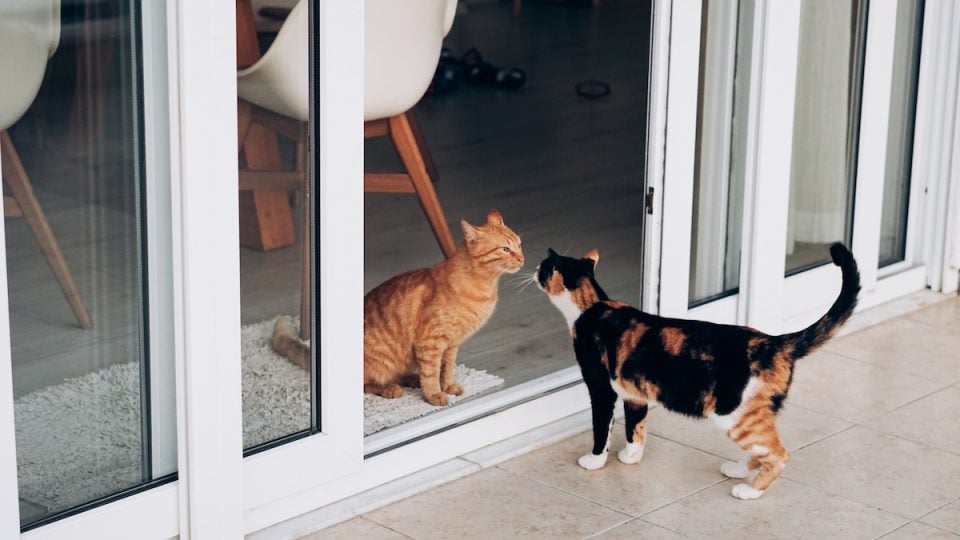
| Fur color | Orange cats are more common | Calico cats are most always female |
| Health | Neutering is about half the price of spaying; more susceptible to urinary blockages | Spaying is more expensive; more likely to develop mammary tumors |
Body & size
Generally, male cats are larger in size and weight than female cats—though breed is a factor. They may also have a more muscular build, especially in the shoulders and neck area. Additionally, male cats often appear to have big, chubby cheeks if they’re not neutered (or neutered later in life), while female cats often have a narrower, more rounded head and a less prominent jawline.
A cat with a slighter frame may be a better fit if you live in an apartment or a smaller home space. On the other hand, a larger cat may be ideal if you have boisterous dogs or small children.
Fur color
Sex can also affect a cat’s color, since the genetic determination of some fur colors is linked to the sex chromosome. For instance, most orange cats—around 80%—are male. Likewise, calico cats (also known as tortoiseshell cats) are almost always female.
iStock/fatihhoca
Health
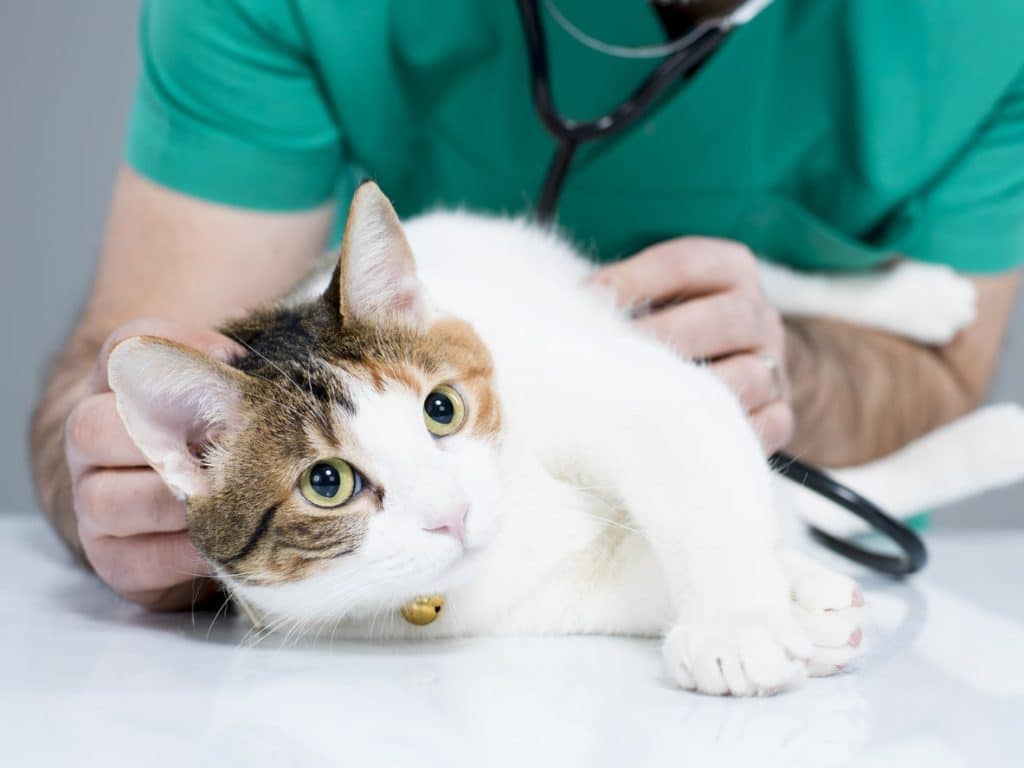
There are also a few health factors to consider when you’re deciding whether to bring home a male or female cat.
- Spay vs. neuter. Spaying a female cat is typically double the price of neutering a male cat. Spay surgeries are physically and logistically more complicated.
- Mammary tumors. About a third of malignancies involve the mammary glands, making them one of the most common tumor types for cats. While male cats also have nipples, they rarely have mammary tumors (about 5% of reported cases). Dr. Faye Forsythe, a veterinary surgeon at Royal Veterinary Care, explains that breed and age also play a role, with female Domestic Shorthairs and Siamese cats the most likely to develop mammary tumors between 10 to 12 years.
- Urinary obstructions. Male cats have a longer, narrower urethra than female cats, making them more susceptible to protein, stone, or swelling blockages. Urinary blockages are a medical emergency that requires immediate treatment.
- Obesity. While some research suggests that male cats are more prone to gaining weight than female cats, other experts say that spaying and neutering are the bigger factor. Given that a majority of cats in the U.S. are overweight or obese, it’s important to chat with your vet about your cat’s ideal weight and calorie intake regardless of gender.
Behavioral Differences Between Male and Female Cats
Every cat is a study of one. However, some pet parents report anecdotal differences in the behavior of their male and female cats. Here’s a look at some possible differences.
| Behavior | Male | Female |
| Explorative | Intact males may wander far to find a mate | Female cats have a much smaller outdoor territory than male cats |
| Aggression | Intact males are more aggressive than neutered cats | Intact females are more aggressive than spayed or neutered cats |
| Affection | Orange cats (often male) are perceived to be the most friendly and calm | Tricolor cats (almost always female) are perceived to be the most stubborn |
| Activity Levels | Males are reportedly are more playful | Females are reported to be more reserved |
| Territorial | Intact males are more likely to spray | Intact females may mark territory, but not as much as intact males |
| Independence | Males may be more independent, especially if not fixed | Spayed females reportedly need more attention than intact males |
Explorative
If a male cat isn’t fixed and senses a female cat close by, he’s more likely to wander off and try to find her. Because intact male cats will walk for miles looking for a mate, their outdoor territories are much larger than those of female cats.
But when reproduction is taken out of the equation, the desire to be outdoors is more based on life history and experiences than a cat’s sex.
Aggression
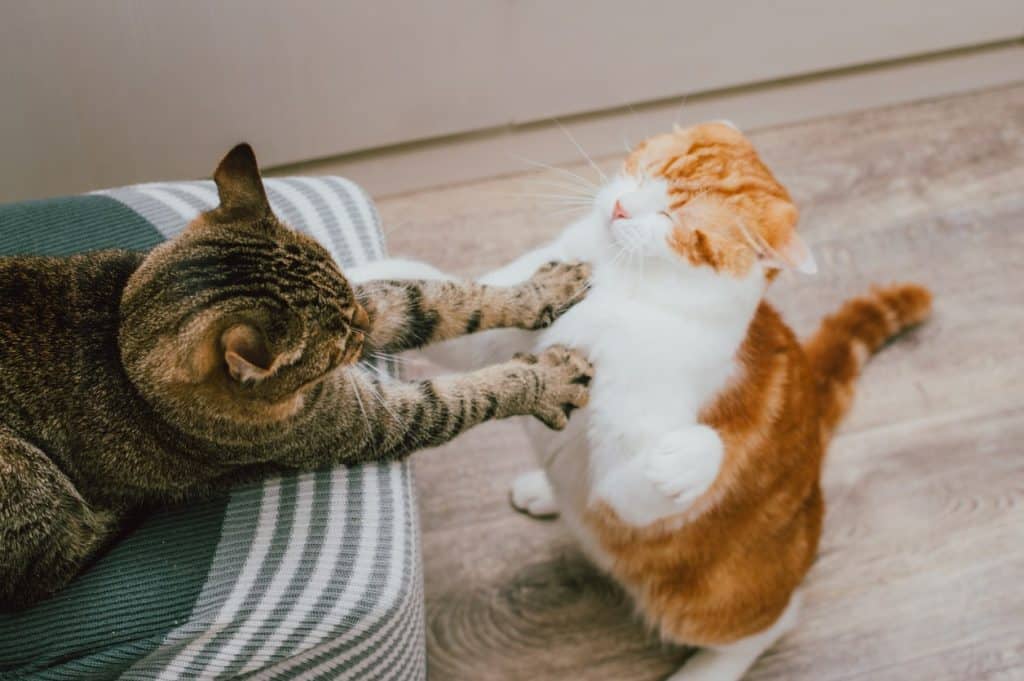
Intact female cats are indeed more aggressive than spayed females and neutered males. However, a study of 60 multi-cat households determined no differences in aggressive behaviors between sexes when pets were fixed.
“It’s not nearly as simple as saying that female cats are more aggressive toward humans,” says Joey Lusvardi, a Certified Cat Behavior Consultant and owner of Class Act Cats. There are many other factors that influence this behavior, such as:
- Whether the cat is spayed or neutered
- Whether the cat lives in a single or multi-cat household
- Breed
- Genetics
- Socialization
- Age
- Medical conditions
- If the cat has been declawed
- Environmental enrichment
Affection
Many people believe that male cats are more affectionate than female cats, but there’s no concrete evidence to support this claim. In one scientific study, researchers examined the compatibility between cats and children in the family and found no link between a cat’s sex and their level of affection.
However, another study suggests that a cat’s coat color, which can be impacted by sex, may be associated with differences in personality traits. In the survey of 211 cat parents in Mexico, guardians perceived orange cats (often male) as the most trainable, friendly, and calm, and deemed tricolor cats (almost always female) as the most stubborn.
Still, it’s important to point out that this research relied on human projection. Whether a cat is affectionate and friendly more often depends on other factors, such as their age and proper socialization at a young age.
Playfulness
Some cat parents report their male cats being more active than their female counterparts. However, Lusvardi says high energy levels aren’t necessarily related to a cat’s sex. “Most cats need more stimulation than what they seem to be getting,” he says.
Age is the biggest factor—so if you want a more relaxed pet, consider adopting a senior cat rather than a kitten or young cat.
-

iStock/anastas_
Territorial behavior
Lusvardi explains that female cats in heat mark territory by rubbing against people and inanimate objects to leave pheromones for male cats. Intact males are much more likely to spray than intact female cats.
Independence
Male cats who aren’t fixed may be seen as more independent, since they have a strong drive to seek out a mate. Additionally, one study found that pet parents deemed their spayed female cats more “persistent, demanding, needy, persevering, and loud” than intact males.
But if you’re curious whether a male or female cat is more likely to bond with you, the same study found no differences between sexes.
Care Differences
Male and female cats may also have different caretaking needs, which can affect your finances, home life, and schedule. Here are a few things to consider before bringing a cat home:
- Do you own or rent? When living with a male cat, you may be more likely to deal with spraying outside the litter box due to territorial behavior. It can be a pain to clean up cat fluids—and may cost you your deposit if you rent.
- Do you work from home? Spayed female cats may be more vocal to get your attention. If you work from home, have a plan that’s healthy for you and your cat so that you can get your work done.
- What’s your cat food budget? Female cats are often smaller than male cats and eat less food, which might be beneficial if your budget is smaller.
- Will you purchase pet insurance? Since male cats have a higher possibility of urinary blockages or injuries due to greater adventuring, and female cats are more prone to mammary tumors, it’s always a good idea to consider getting pet insurance regardless of the sex of your cat.
- Do you have time to play? Male cats have a large tendency toward playfulness, and may also have an increased tendency towards obesity. Play and exercise are important for all cats, but you’ll want to be extra diligent with a male cat.
The Bottom Line
While a cat’s sex can give you some insight into their personality, it’s far from the only factor, says Lusvardi. Instead of thinking about males versus females, asking questions about the cat’s history, temperament, and socialization will give you better insight to determine if they’re right for you.
Unless you don’t plan to spay or neuter your cat—which experts say you should—sex tends to play a lesser role in personality and behavior.
“If you spay or neuter your cats, either gender can be a delightful companion,” Lusvardi adds. In addition to preventing unwanted behaviors such as territory marking, yowling, and wandering outdoors, fixing cats reduces aggression, increases affection, and decreases the likelihood of certain diseases.
“But ultimately,” Lusvardi says, “the best cat for you depends on finding a good personality match, considering factors such as activity level, affection, sociability, and any specific traits or needs you desire.”