Pet First Aid Tips for Dog Walkers & Pet Sitters
Not a substitute for professional veterinary help.
No one wants to think about a pet getting injured or sick during a walk or sitting stay. But being prepared for the unexpected is part of what makes you a great pet sitter. Learning basic pet first aid can help you stay calm, keep pets comfortable, and respond appropriately while arranging veterinary care if it’s needed.
For many pet parents, a sitter who knows pet first aid also stands out from the crowd. Whether you’re considering a pet first aid course or simply want to brush up on the basics, these tips can help you be prepared for whatever comes your way.
Know the Signs of a Pet Emergency
Medical emergencies can show up in different ways. Some injuries or illnesses are obvious, like vomiting or bleeding. Others can be much more subtle, such as changes in breathing, energy level, appetite, or behavior.
Cats, in particular, are known for hiding signs of pain and illness, which can make problems harder to spot.
That’s why it’s important to familiarize yourself with common medical emergencies in dogs and cats, such as:
- Difficulty breathing
- Repeated vomiting or diarrhea
- Seizures
- Trouble urinating
- Heatstroke
- Ingesting something toxic
You don’t need to know exactly what’s wrong to recognize that something isn’t right. When in doubt, contact the owner and veterinarian right away.
Learn Basic Pet First Aid Techniques
Did you know that you can take a course for pet first aid, just like you can for human first aid? Becoming certified in a pet first aid course will not only help you feel more confident responding to emergencies, but it can also give owners extra peace of mind when they leave their pets in your care.
While you hope you’ll never need these skills, knowing what to do in the first few minutes of an emergency could save a pet’s life.
Organizations like the American Red Cross offer online pet first aid courses, and there are plenty of in-person courses as well.
Here are a few key pet first aid techniques to consider learning.
Pet CPR
Learning pet CPR can help you feel more prepared if a dog or cat in your care stops breathing or loses a heartbeat. Because the technique varies based on a pet’s size and body shape, a hands-on course is probably the best way to build confidence and learn the proper steps.
Pet Heimlich Maneuver
A lodged treat, chew, or toy can turn into an emergency in seconds. But how do you know when to perform the pet Heimlich maneuver? The maneuver uses carefully placed pressure to help dislodge an object that’s blocking a pet’s airway.
A pet first aid course can teach you how to recognize a true choking emergency and safely perform the technique when it’s needed.
Wound care and bandaging
Not every injury requires an emergency vet visit, but that doesn’t mean it should be ignored. If your Rover pup cuts their paw pad during a walk, tears a nail, or has a minor injury, you can help them by knowing how to safely clean wounds and wrap bandages.
Tick removal and insect bites
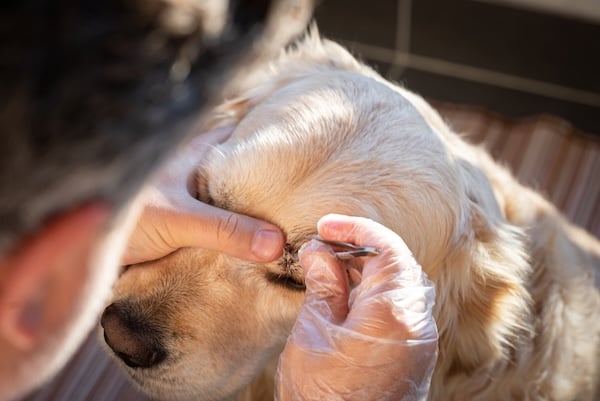
Whether you’re walking dogs through wooded trails or caring for outdoor cats, it’s helpful to know how to safely remove a tick and recognize signs of an allergic reaction to an insect bite or sting.
While many insect bites cause only mild irritation, some pets are just as allergic to bugs as humans. Facial swelling, hives, excessive itching, vomiting, difficulty breathing, or sudden weakness are all signs of a severe allergic reaction, and it’s best to take the pet to a vet immediately.
mgstudyo via iStock
Poisoning
Dogs and cats have a knack for getting into things they shouldn’t. If you suspect a pet has eaten something toxic, one of the most important things you can do is stay calm and gather information.
Try to identify what was ingested, how much was consumed, and when the exposure occurred. Having those details ready can help a veterinarian determine the best course of treatment and whether the pet needs immediate care.
You can also call the ASPCA 24/7 Poison Control hotline at (888) 426-4435 if you’re unsure.
Heat-related emergencies
Heatstroke can develop faster than many people realize, especially during warm-weather walks, hikes, or backyard play sessions.
If a pet shows signs of overheating—such as excessive panting, drooling, vomiting, weakness, or disorientation—it’s important to get to the vet right away.
While you arrange emergency care, move them to a cool, shaded area immediately and offer small amounts of water if they’re able to drink. You can also gently pour cool (not ice-cold) water on their body.
Safe handling and transportation
An injured pet may be confused, frightened, or in pain, even if they’re normally calm and friendly. To safely transport them to a vehicle or to the vet, try to move slowly, speak in a reassuring voice, and avoid sudden movements.
Put Together a First Aid Kit
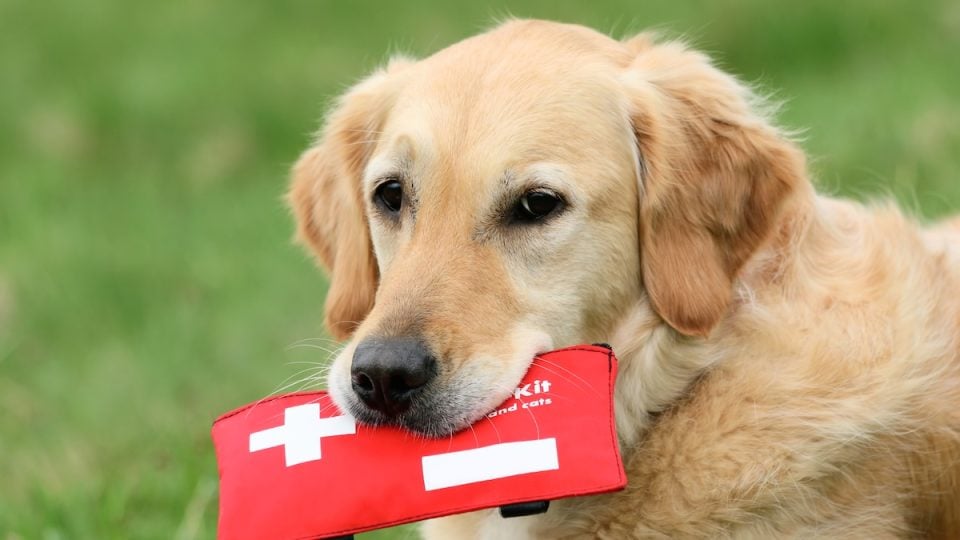
Think of a pet first aid kit as your emergency toolbox. You may not use it often, but you’ll be glad it’s there when you need it. The good news? You don’t need anything fancy. A few basic supplies can go a long way toward keeping pets safe and comfortable while you monitor their symptoms or seek veterinary care.
Consider stocking your pet first aid kit with:
- Gauze: to help stop bleeding or wrap wounds
- Self-adhesive bandage wrap: to hold the gauze in place without sticking to a pet’s fur or skin
- Pet-safe antiseptic wound cleanser: to clean wounds and soothe skin irritation
- Disposable gloves: to protect your hands while administering first aid
- Tweezers: to remove thorns, splinters, or ticks
- Blunt-tip scissors: to cut bandages and gauze without injuring the pet
- A digital thermometer: to check for fever or hypothermia
- Bottled water or saline solution: to flush out dirt, debris, or irritants from your dog’s eyes or wounds
- A cold pack: to reduce swelling and soothe bruises or minor injuries
- A flashlight: to help you examine the pet’s ears, eyes, or mouth
- Benadryl (Diphenhydramine) 25mg tablets: to help with allergic reactions, bug bites, or mild swelling (always check with a vet before administering)
- Hydrogen peroxide: to induce vomiting in certain poisoning cases (alway consult a veterinarian first
You’ll also want to make sure you have the owner’s contact information, the contact information for the pet’s veterinarian, and the address and phone number of the nearest emergency veterinary clinic handy.
Before each booking, it’s also a good idea to ask the owner if the pet has any medical conditions, medications, or allergies. Having that information readily available can save valuable time if an emergency arises.
Confirm Pet’s Health Information
Before every booking, take a few minutes to review the pet’s health information with the owner. It only takes a moment, but it can make a big difference if something unexpected happens. And if anything is missing, don’t be afraid to ask the pet parent before they head out the door.
Here’s a quick checklist to keep handy:
- Primary veterinarian: Name, phone number, and address
- Preferred emergency veterinary clinic: Where the owner would like you to go in an emergency
- Emergency contacts: A trusted friend or family member who can make decisions if the owner can’t be reached
- Medical conditions: Any chronic illnesses or past health concerns you should know about
- Current medications: What the pet takes, how much, and when it should be given
- Allergies or sensitivities: Foods, medications, insect stings, or environmental triggers
- Vaccination status: Especially if you’ll be visiting dog parks or other public places
- Microchip information: Confirmation that the pet is microchipped and the registration is up to date
- Behavioral notes: Any fears, anxieties, aggression triggers, or handling preferences that could affect their care
- Feeding instructions: Diet, treat restrictions, and any foods the pet should never have