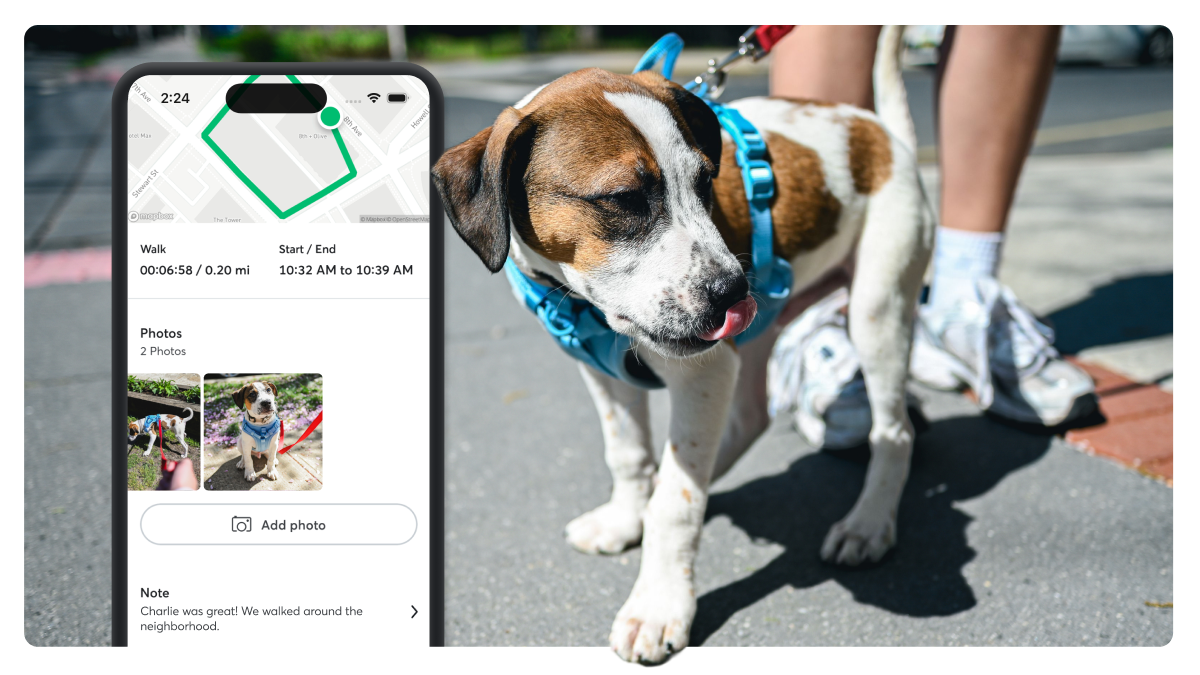
Safety 101 for New Dog Sitters and Walkers
Congrats! Your Rover profile is live, and now the real adventure begins. If you’re feeling excited and a little nervous, that’s normal. It’s easy to wonder what could go wrong during a dog walk or overnight stay, but some planning and preparation can help you feel more confident.
This guide walks through the safety essentials every new sitter and walker should know, including:
- Dog-proofing your home before a stay
- Preparing for emergencies
- Staying safe on walks
- Navigating special situations, like reactive or senior dogs
- Keeping pets safe during holidays and other busy times
Feel prepared to provide safe, reliable pet care, no matter what comes your way.
1. Create a Safe Space Before the Stay
Before any walk, drop-in, or overnight stay, take a few minutes to look for potential safety hazards in the home and yard. Evaluate things a dog could get into, setups that could let them escape, and other animals or kids in the home.
House proofing
If you’re boarding dogs in your own home, dog-proofing is especially important since you’ll be welcoming pets into an environment that’s unfamiliar to them. But even if you’re caring for a dog in their own home, it’s worth scanning your surroundings for safety risks.
- Store medications, cleaning products, and other toxic items out of reach.
- Put away electrical cords, trash cans, and small objects that could be swallowed.
- Keep human food, especially foods that are toxic to dogs, safely put away.
- Double-check that doors, gates, and windows close securely.
Read more about how to house-proof before a stay.
Yard proofing
If dogs will have access to your yard, make sure it’s just as safe as your indoor space. Fencing alone won’t cut it—you’ll also want to look for loose boards, toxic plants, forgotten tools, and other outdoor hazards that are easy to overlook until a dog finds them first.
- Walk around the edges of your fence to check for gaps or damage.
- Remove toxic plants, lawn chemicals, and sharp debris.
- Pick up outdoor tools, sports equipment, and anything a dog could chew.
- Make sure fresh water and shady areas are available during warm weather.
Read more about how to yard-proof before a stay.
Preventing escapes
Even well-behaved dogs can become flight risks in unfamiliar situations. New surroundings, unfamiliar sounds, or an open gate may be all it takes for a dog to make a dash for it.
- Confirm collars and harnesses fit properly before heading outside.
- Keep doors and gates closed, especially during drop-offs and pickups.
- Use a leash anytime you’re outside in an unfenced area.
- Stay alert for unexpected distractions that could cause a dog to bolt.
Read more about how to prevent pet escapes.
Dogs and kids
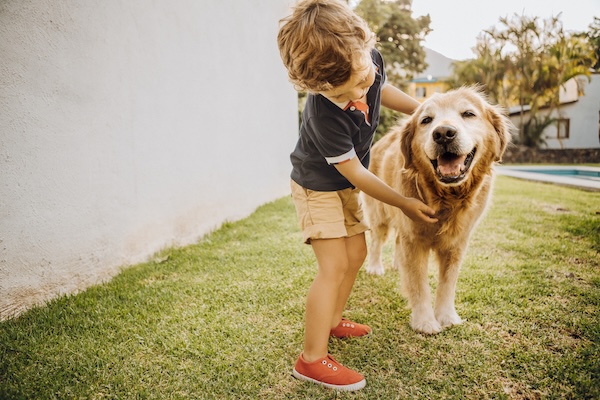
If children are present, it’s important to create safe, supervised interactions. Even friendly dogs can become stressed around adults or children who they’ve never met before.
- Never leave dogs and young children together without supervision.
- Give dogs a quiet place where they can take a break if they need one.
- Teach children to respect a dog’s space while they’re eating or resting.
- Watch for signs that a dog is becoming uncomfortable or overwhelmed.
Read more about safe interactions for dogs and kids.
If a dog gets into something they shouldn’t, slips out the door, or another unexpected situation comes up, don’t panic. Take steps to keep everyone safe, then reach out to 24/7 Rover Support for guidance. You don’t have to handle a problem alone, and getting help quickly can make all the difference.
Orbon Alija via iStock
2. Know What To Do in an Emergency
You hope you’ll never need an emergency plan, but you’ll be glad you have one if you do. It also gives pet parents confidence that their dog is in capable hands.
Make an emergency plan
Emergencies can take may forms. It could be anything from a dog swallowing something dangerous to a severe weather event. Before every booking, make sure you know exactly what to do if plans suddenly change.
- Save your client’s emergency contact information and veterinarian details.
- Confirm where the nearest emergency veterinary clinic is located.
- Know a safe place to shelter and have a go bag with your and your Rover pet’s essentials.
- Keep your phone charged and easy to access throughout the booking.
If an emergency arises, Rover Support is available 24/7 at 888-727-1140 to help you navigate your next steps and contact the pet parent if needed.
Read more about creating emergency plans and being ready for natural disasters.
Recognize the signs of a sick dog
Dogs can’t tell us when something feels wrong, so it’s important to recognize changes in their behavior or appearance. Catching a problem early can help them get the care they need sooner.
- Watch for vomiting, diarrhea, coughing, or difficulty breathing.
- Pay attention to changes in appetite, energy level, or bathroom habits.
- Look for signs of pain, limping, or unusual behavior.
- Contact the pet parent if something seems off.
If you’re unsure whether a dog needs emergency care, Rover Support can help connect you with an emergency veterinarian and guide you through next steps.
Read more about the signs of a sick dog and what you can do to help.
Learn basic pet first aid
You don’t need extensive medical training to help a dog in an emergency. From checking vital signs to recognizing when immediate care is needed, having a basic understanding of pet first aid will help you act with confidence.
- Learn how to check a dog’s temperature, pulse, and breathing.
- Keep a stocked pet first aid kit nearby.
- Stay calm and avoid giving medications unless instructed by a veterinarian.
- Transport injured pets carefully to avoid making injuries worse.
Read more about how pet first aid works.
Know what to do if a dog gets loose
Even experienced sitters can have a dog slip through a leash or dart through an open door. Acting quickly and having a plan gives you the best chance of bringing them home safely.
- Stay calm and avoid chasing the dog.
- Notify the owner immediately.
- Search nearby while calling the dog’s name in a calm voice.
- Get help quickly by calling Rover Support.
Read more about what to do if a dog escapes.
3. Walk Smart, Stay Safe
Walking a dog may seem straightforward, but every outing comes with its own set of challenges.
Walking safety
Every dog handles new sights and smells differently, so try to plan ahead before you walk out the door.
- Review the dog’s routine and any behavioral notes before heading out.
- Stay aware of your surroundings and avoid distractions like your phone.
- Stick to familiar routes unless the owner requests otherwise.
- Always keep dogs leashed unless you’re in a designated off-leash area with the owner’s permission.
Read up on safe dog walks.
Gear safety
Make sure you have the right dog walking equipment to keep both you and the dog safe.
- Check that collars, harnesses, and leashes fit securely before leaving.
- Check for worn or damaged gear that could fail during a walk.
- Use the gear the owner provides unless you’ve discussed an alternative.
- Make sure ID tags are securely attached.
Read up on how to use different kinds of dog gear.
Cold weather concerns
Snow zoomies are fun, but freezing paws aren’t. Cold weather can be uncomfortable (and even risky) for many dogs, especially puppies, senior dogs, and short-haired breeds.
- Watch for signs a dog is getting too cold, like shivering or lifting their paws.
- Keep walks shorter during extreme temperatures.
- Wipe paws after walks to remove salt, ice melt, and snow.
- Dress dogs in coats or boots if the owner recommends them.
Read up on cold weather safety for dogs.
Hot weather concerns
Dogs don’t sweat the way we do, which means they can overheat before you realize anything is wrong.
- Walk during the cooler parts of the day when possible, or keep exercise indoors.
- Bring fresh water and offer frequent drink breaks.
- Check pavement with the back of your hand before walking. If it’s too hot for you, it’s too hot for the dog!
- Watch for signs of overheating, including excessive panting or lethargy.
Read up on hot weather safety for dogs.
Other dogs
Not every dog wants to make new friends, even if they seem friendly from a distance.
- Give unfamiliar dogs plenty of space on walks.
- Ask the owner in advance if their pup gets along well with other dogs.
- Stay alert for body language that signals fear or discomfort.
- Redirect your dog’s attention if another dog seems reactive.
Read up on the right way to handle dog interactions.
Flea and tick safety
Going for walks means potentially picking up unwanted hitchhikers like fleas or ticks.
- Stay on maintained trails and avoid tall grass when possible.
- Check dogs for ticks after walks, especially around the ears, neck, and paws.
- Ask pet parents whether their dog is on flea and tick prevention.
- Contact the owner if you find a tick or notice signs of fleas.
Read up on flea and tick safety and what to do if you find them.
SbytovaMN via iStock
4. Brush Up on the Needs of Different Kinds of Dogs
One of the best parts of pet sitting is getting to know all kinds of dogs. Every life stage and every personality comes with its own safety considerations.
Caring for multiple dogs
Walking or watching more than one dog at a time adds a new layer of responsibility, especially if the dogs don’t know each other yet.
- Introduce dogs slowly and in a place that they don’t consider their own territory, so they don’t feel the need to guard.
- Supervise playtime, even if the dogs seem to get along.
- Feed dogs separately to avoid competition over food or treats.
- Know when it’s time to give everyone a break if play gets too rough.
Read up on best practices for caring for multiple dogs before you book.
Puppies
Puppies are fun, but they’re also experts at getting into trouble.
- Expect lots of supervision, potty breaks, and chew management.
- Keep small objects and anything dangerous well out of reach.
- Stick to the puppy’s routine as closely as possible.
- Be patient as they learn new skills and boundaries.
Read up on puppy care before you book.
Senior dogs
Just like people, older dogs might need a little extra TLC.
- Follow their normal routine.
- Watch for signs of pain, stiffness, or fatigue.
- Make sure they have easy access to water and comfortable places to rest.
- Ask about medications or mobility needs before the booking.
Read up on senior dog care before you book.
Anxious dogs
Nervous dogs are one thing—dogs with serious or generalized anxiety can be another.
- Give them space and let them warm up at their own pace.
- Keep routines as consistent as possible.
- Avoid forcing interactions if the dog seems uncomfortable.
- Ask owners about known triggers (strangers, other dogs, cars, etc.) and calming techniques.
Read up on caring for anxious dogs before you book.
Intact pets
If the dog you’re caring for is not spayed or neutered, you might need to take a few extra precautions.
- Keep intact dogs separated from other intact pets.
- Be mindful of escape risks, especially outdoors.
- Ask questions before the booking if you have concerns.
Read up on caring for intact pets before you book.
Dogs with behavior challenges
Behavior challenges don’t automatically make a dog a poor fit for you, but they do require extra preparation.
- Read the dog’s profile and ask detailed questions before accepting the booking.
- Learn the warning signs of fear, stress, and aggression.
- Follow the owner’s handling instructions closely.
- Don’t hesitate to decline a booking if it falls outside your experience level.
Read up on caring for dogs with behavior challenges before you book. Explore resources on dog bites, leash reactivity, resource guarding, and aggressive behavior before taking on more advanced cases.
5. Prepare Extra for Holidays
Between the extra guests, exciting smells, costumes, and loud noises, holidays can be a lot for dogs to take in. Keep these seasonal safety tips in mind if you happen to be caring for dogs over the holidays.
Winter holidays
Thanksgiving, Christmas, Hanukkah, and other winter holidays may bring fun decorations, festive foods, and a house full of guests, but they can also create plenty of new hazards for curious dogs.
- Keep chocolate, alcohol, and other foods that are unsafe for dogs out of reach.
- Keep dogs away from Christmas trees, ornaments, lights, and other decorations that they could knock over or chew.
- Give dogs a quiet place to retreat when guests or holiday activities become overwhelming.
Read more on how to prep for winter holiday pet care.
Halloween
A parade of costumed strangers at the door? From a dog’s perspective, Halloween can be a lot to process.
- Keep candy, especially chocolate and sugar-free treats containing xylitol, away from dogs.
- Give nervous dogs a quiet space away from the front door and trick-or-treaters.
- Make sure dogs are wearing identification in case the excitement leads to an escape.
Read more on how to prep for Halloween pet care.
Fireworks
Fireworks during New Year’s Eve or Independence Day may be fun for people, but the sudden bangs and flashes can be very unsettling for dogs. Some pups may pace, hide, bark, or try to escape.
- Keep dogs indoors and securely contained before the fireworks begin.
- Close windows and curtains to help reduce noise and flashes of light.
- Use background sounds, such as music or the TV, to help mask the booms.
Read more on how to prep for pet care during fireworks.
Don’t Hesitate To Get Help
No matter how much you prepare, there may be times when you’re faced with an unexpected situation. That’s okay! Every experienced sitter has encountered something they didn’t see coming, and knowing when to ask for help is part of providing great care.
If you ever have questions or need guidance during a booking, Rover Support is available 24/7 at 888-727-1140. Whether you’re dealing with a medical concern, a lost dog, severe weather, or another unexpected challenge, the Rover team can help connect you with resources, contact pet parents when needed, and walk you through your next steps. You don’t have to navigate it alone.