- Not a substitute for professional veterinary help.
“Heel” may not be the flashiest dog skill—but for lots of trainers, it’s up there with “sit” and “stay” among the most important cues you can teach a dog.
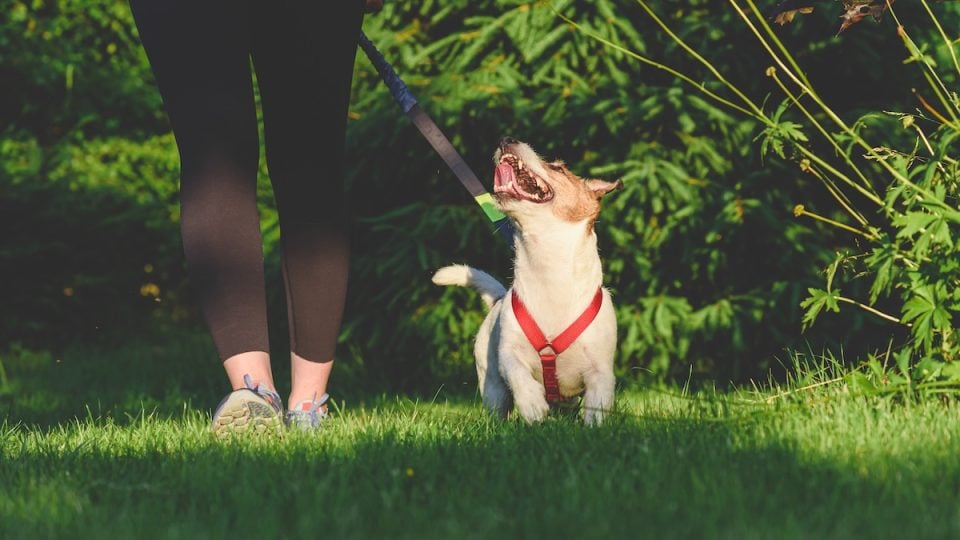
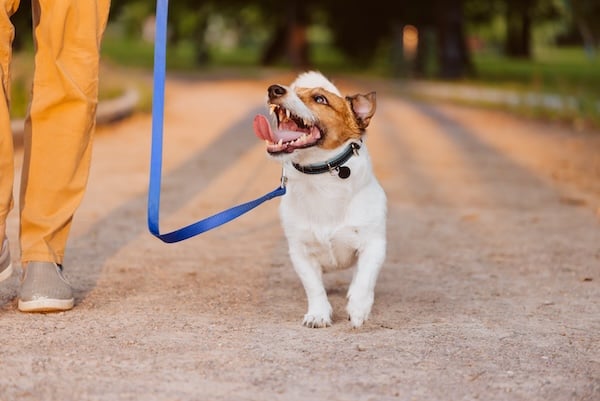
A true “heel” keeps your dog close to your side, with their attention focused on you instead of their surroundings.

“Heel is an important command to have in your dog training toolbox for when you’re walking down a busy street or to keep your dog from pulling on a leash,” explains dog behavior specialist Sally Grottini.
In this article, we’ll review how to teach a dog to heels step by step, plus how to troubleshoot common problems and FAQs.
Did you know? Teaching your dog to heel is one of many ways to prevent lunging and pulling on walks. Find a dog trainer near you who specializes in leash manners.
A 5-Step Guide to Nailing a Heel
Here’s how to teach a dog to heel, with five key steps.
1. Choose the right environment
To kick off your training, choose a relaxed setting free of distractions. Ali Smith, professional dog trainer and founder of Rebarkable, recommends your house, driveway, or backyard. You can also try an outdoor location that your dog feels familiar with, like the park on a quiet afternoon.
2. Gather your equipment
Next, make sure you have all your training equipment ready to go. Have rewards for positive reinforcement on hand, like treats or a favorite toy. You can also use a clicker, Grottini’s technique of choice.
If you’re training in a public space outdoors, make sure to have a harness/collar and leash.
Tip: Grottini recommends using a high-value reward. “When I start out teaching any new command to a dog, I use chicken slivers or hot dog slivers as a reward to keep the dog’s attention,” she says. “Once the dog learns the command, I will switch to normal soft dog treats that can be broken up into small pieces as a reward.”
3. “Lure” a heel
You’ll start with what Smith calls the “lure” phase. First, stand next to your dog so they’re on your left side. Then, grab a treat and place it close to your pup’s nose. Walk a few steps, encouraging your dog to stay close to your side.
If your dog stays with you in the desired “heel” position—with their head in line with your hip—click the clicker (or say “yes!”) and reward them with the treat.
Tip: A traditional heel is on the left—but if you usually walk with your dog on your right side, don’t hesitate to switch up your training to suit your style!
4. Add the cues
Next, you can start adding the cues. When you lure your dog into position, say “heel,” or whatever word you’ve decided on.
And when you’re ready to release them, say “free” or “break” and offer them their reward.
Repeat this process until your dog starts moving into position when cued without being lured by the treat—but keep rewarding!
5. Practice
Once your dog has the basics down, start adding difficulty. You can increase:
- Distractions. Choose a new setting, like a park or a busier area, where your dog might be tempted by other people or critters to break form.
- Distance and duration. Gradually up how long your dog needs to stay in their “heel” position before they get their treat.
Tip: Don’t increase both distractions and distance/duration at once—just pick one, and make tiny progressions!
-

alexei_tm via iStock
How To Use a Heel
Once your dog knows how to heel, you’ll find lots of opportunities to use it. Grottini says “heel” often comes in handy in the following situations:
- When you want to keep your dog’s attention on you instead of a trigger or distraction
- In busy or crowded areas where you need to keep your pup close to your side
- When another dog or human approaches on a walk and you don’t want your dog to engage them
- If you’re standing in line and waiting in a public space
That said, it’s also important to give your dog some time to roam freely. If you don’t need your pup close by your side on a walk, release them from their heel so they can get in some good sniffs and enrichment.
Troubleshooting the “Heel” Cue
Here are some of the most common obstacles pet parents encounter when teaching heel, plus what to do about them.
Disregarding cues
If your dog isn’t falling into position when you cue them, you might be in an environment that’s too full of distractions for your dog’s skill level. Try scaling back back to a calmer spot, like your home, backyard, or driveway.
Once your pup has heel down pat in these spots, you can gradually try using the cue in more distracting areas.
Abandoning the heel halfway through
If your dog doesn’t heel long enough, Smith says it usually means that you’re moving too fast. For example, you might be trying to add more distance or duration than your dog is ready for.
Shave as many seconds as you need to off your heel until your dog can do it reliably—then start adding again in teeny tiny increments.
Slow progress
If you’re struggling to progress, it might be a matter of logging more practice. Grottini recommends aiming for multiple short training sessions throughout the day. You can even cue your dog to follow you throughout the house as you go about your business.
It’s also worth taking a look at your consistency. Are you changing up your expectations during training? Rewarding for not quite getting it right?
Working With a Professional Trainer
No matter what you’re struggling with, whether it’s adding distance distractions or slow progress, a trainer is a great resource. Heel isn’t an easy skill to learn, and an experienced trainer can help you streamline and troubleshoot the process with solutions specific to your pup and situation.
To find a trainer in your area, learn how dog training works on Rover.