- Not a substitute for professional veterinary help.
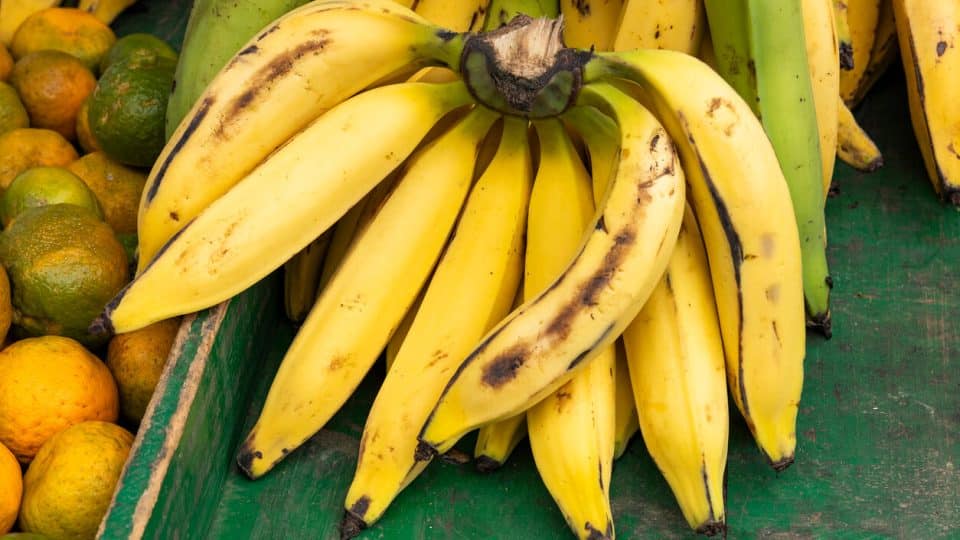
Plantains are a tropical fruit that resemble bananas but are starchier and less sweet. Unlike bananas, they are cooked instead of eaten raw. You can find these fruits in most grocery stores and international markets.

When prepared correctly, plantains are a safe treat for dogs, says Dr. Lyndi McCollum, veterinarian and medical director at Cheyenne West Animal Hospital, a Thrive Pet Healthcare partner.
Read on to learn the safest forms of plantains for dogs, along with potential risks, appropriate serving sizes, and possible health benefits.
Precautions for Feeding Plantains to Your Dog
While plantains can be a safe treat, Dr. McCollum and Dr. Shehnav Sekhon, veterinarian and medical director at Dr. Boyd’s Pet Resort, a Thrive Pet Healthcare partner, say it’s important to follow some important precautions when preparing and serving them.
Here’s what to keep in mind when feeding your dog plantains:
- Avoid raw plantains: Raw plantains are difficult to digest and may upset your dog’s stomach. They can also pose a risk of choking.
- Stick with small portions: Large amounts of plantains can cause gastrointestinal upset. Experts recommend giving your dog no more than one plantain a day. Smaller dogs should get only half a plantain, if not less.
- Skip seasonings: Avoid adding any spices or seasonings when cooking plantains for your dog. Sugar, pepper, excess salt, garlic, or paprika can all cause stomach issues.
- Avoid fried plantains and salted chips: These snacks contain a lot of oil and sodium, which can lead to pancreatitis or other health problems.
- Cook safely: Boiling or steaming helps break down the high starch in plantains. Avoid using oil when cooking plantains for dogs.
- Start small: Offer your dog just a few bites to start. If they seem to tolerate plantains well, you can continue offering them as an occasional treat.

Best Ways To Give Your Dog Plantains
Dr. McCollum recommends the following safe ways to share plantains with your dog:
- Offer ripe fruit: Stick with yellow or lightly brown plantains. They’re softer, sweeter, and easier to digest than firm green ones.
- Keep it simple: Boil or steam plain plantains without oils, salt, or spices. These cooking methods are gentler on a dog’s stomach.
- Cut into small pieces: Offer bite-sized portions, which are easy to chew and less likely to cause choking.
- Serve in moderation: Like all treats, plantains should make up no more than 10% of your dog’s daily diet. A bite or two makes a great occasional snack. You shouldn’t use plantains to replace your dog’s regular meals.
- Check with your vet: If your dog has underlying health conditions, consult your vet before adding any new foods, like plantains, to your dog’s diet.
- Pay attention to their response: Introduce plantains and any other new foods slowly. Monitor your dog for a day or two to make sure they don’t experience any stomach issues before you offer more.
Do Plantains Have Benefits for Dogs?
Plantains contain valuable nutrients, including vitamins A, C, and B6, fiber, potassium, and antioxidants. These nutrients can support digestion, boost the immune system, and promote overall health.
However, Dr. Sekhon explains that dogs usually won’t eat enough plantains to gain significant health benefits. It’s best to think of them as a wholesome treat rather than a key part of your dog’s diet. Always work with your vet to find a well-balanced diet with the right mix of protein, carbohydrates, fruits, and vegetables.
To keep plantains safe and healthy for your dog, serve them boiled or steamed without any added seasonings, and only in small portions.
If you’re looking for other healthy treats for dogs, try blueberries, carrots, broccoli, and pumpkin.