- Not a substitute for professional veterinary help.
You’ll find salt in many different foods, including meat, dairy products, nuts, seeds, and even some fruits and vegetables. Processed foods, of course, contain much more salt.

Sodium is an essential mineral for both people and dogs, so dogs need some salt in their diet. A nutritionally balanced commercial dog food will provide all the salt your dog needs, however, so you don’t need to add any to their food. If your dog eats too much salt, they could develop salt toxicity, or sodium poisoning.
Adding salt to your dog’s diet, feeding them too many salty snacks, or exposing them to non-food items high in salt can all lead to salt toxicity, explains Dr. Molly McAllister, veterinarian and Global Chief Medical Officer at Mars Veterinary Health.
For example, dogs can develop salt toxicity from ingesting homemade play dough or salt dough ornaments, rock salt in de-icers, or salt water, she explains.
Dogs with salt toxicity need immediate medical attention. Read on to learn the signs of salt toxicity, tips to prevent it, and what to do if your dog eats too much salt.
Signs of Salt Toxicity or Sodium Poisoning
A toxic dose of salt will depend on your dog’s size. Bigger dogs can tolerate more salt than smaller ones.
A lethal dose is around 4 grams per kilogram of a dog’s body weight. That’s about two-thirds a teaspoon of salt for every 2.2 pounds of your dog’s weight. That said, signs of salt toxicity can begin at about half this amount.
Signs of salt toxicity, according to Dr. McAllister, include:
- Decreased appetite
- Excessive thirst
- Vomiting
- Diarrhea
- Lethargy
- Ataxia, or loss of coordination
In more serious cases, dogs may experience muscle tremors, seizures, coma, or even death, Dr. McAllister says.
“If you suspect your pet has salt toxicity, immediately call the Pet Poison Helpline at 800-213-6680. They can give advice on managing your pet’s condition until you can get to a veterinarian,” Dr. McAllister says.
To help prevent salt toxicity, make sure your dog always has access to fresh, clean drinking water. Adequate hydration supports the body in balancing sodium levels and reduces the risk of poisoning.
6 Salty Things to Keep Out of Your Dog’s Reach
Salt poisoning usually doesn’t come from a single pretzel or lick of peanut butter, so a little bit of extra salt from food you give occasionally as a treat probably won’t cause harm.
Generally, salt toxicity happens when curious pups find salty items on their own and help themselves. Here are examples of things to store carefully—keeping these salty hazards out of reach will help protect your pup!
1. Salty snacks
Chips, popcorn, pretzels, and crackers that fall on the floor can tempt your dog, and one or two pieces likely won’t do any harm. Of course, dogs generally won’t stop at one bite, so a knocked-over bowl or open bag can lead to a big salt overload quickly.
Stash these snacks out of paw’s reach, and pay close attention to sneaky counter surfers.
2. Salted meats
Ham, bacon, jerky, and deli meats are very high in sodium. Beyond the salt, some of these meats also contain seasonings that aren’t safe for dogs.
Keep these foods sealed safely in the fridge or out of your pup’s reach, instead of sitting out on the counter or table.
3. Salt water
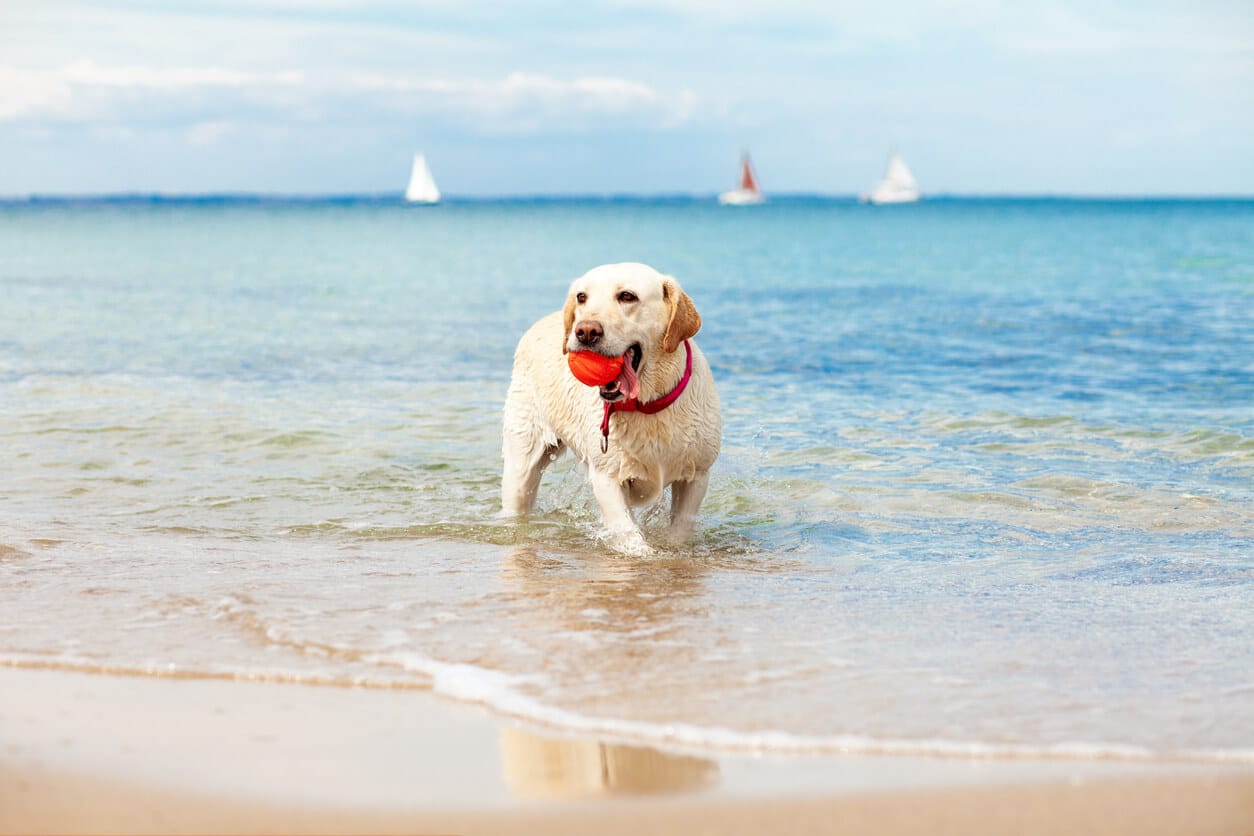
Drinking too much salt water can trigger vomiting and diarrhea quickly, which can make beach days risky if your dog gulps down seawater while playing fetch. Always bring fresh water for breaks and discourage your pup from lapping at the waves.
4. Play dough
Play-Doh and homemade play dough recipes often call for large amounts of salt to improve the texture and consistency. Dogs may be drawn in by the smell or texture, and a few bites could make them sick.
Store tubs and craft supplies on high shelves, especially if kids leave projects out to dry.
5. Paint
Some paints contain sodium-based compounds—and curious dogs might nibble at a paint can or dried paint chips.
Keep paint cans sealed and stored in garages or closets that dogs can’t access will help prevent accidents.
6. De-icers
Salt-based de-icers help keep sidewalks and driveways from freezing in the winter, but your dog can get sick if they lick their paws after a walk or eat salty slush.
Wipe your dog’s paws after outdoor time and try pet-safe de-icing alternatives when possible.
What To Expect at the Vet Clinic
“Treatment for salt toxicity in dogs includes careful reintroduction of water in frequent, small amounts if the dog is alert,” Dr. McAllister explains. Letting dogs drink a lot of fresh water right away can cause vomiting and make their symptoms worse, she emphasizes.
Your vet may also provide supportive care and help manage any other signs related to salt toxicity, like seizures. Other treatments may include inducing vomiting with activated charcoal.
In some cases, a dog with salt toxicity may need hospitalization. Your vet will most likely give IV fluids to carefully restore the normal balance of electrolytes in their blood over time to avoid causing further complications.
Is A Pinch of Salt OK for Dogs?
A little extra salt in your dog’s food might seem harmless, but in fact they don’t need it—and it may even pose a risk to their health.
The best nutritional option for your pet is a consistent, balanced, and AAFCO-approved dog food that meets their individual nutritional requirements for their life stage, Dr. McAllister says.
Dr. McAllister says it’s important to partner with your veterinary team on the best nutritional options for your pet throughout their life. They can help make sure your dog’s food includes the appropriate level of nutrients and is a good fit for their size, breed, lifestyle, and other needs.
In short, when it comes to your pup, hold the salt—the only thing they should be shaking is their tail!