- Not a substitute for professional veterinary help.
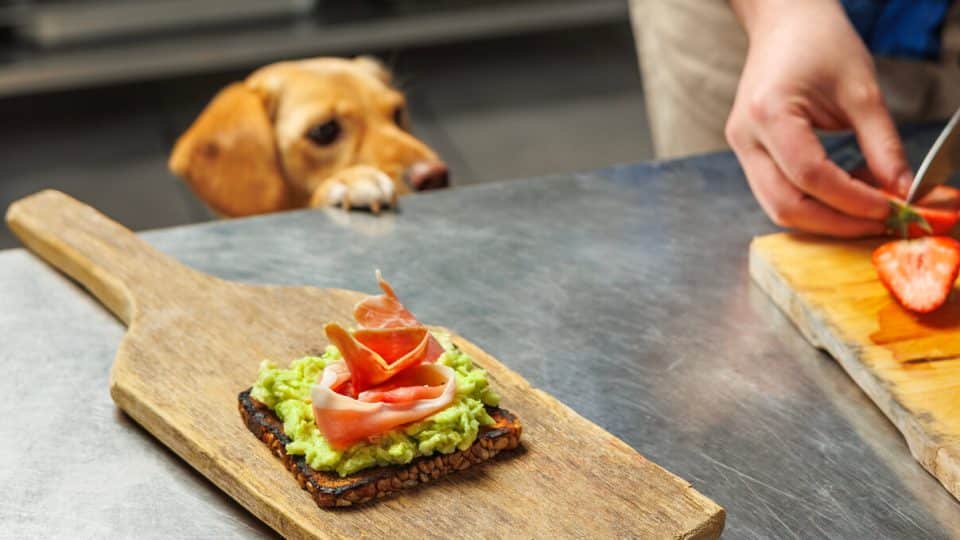
Ham might show up on your dinner table or in your sandwiches from time to time, but you’ll want to avoid sharing this type of pork with your dog.

While ham isn’t toxic to dogs, this protein often contains excessive salt, preservatives like nitrates or nitrites, and added sugars or spices that can be harmful to dogs, explains Dr. Kathryn Dench, veterinarian and chief scientific advisor at Paw Origins.
“Ham is not an ideal food for dogs, and I don’t recommend it as part of a regular diet,” Dr. Dench says.
Can dogs eat ham as an occasional treat, or should it stay off the menu entirely? Are certain types safer than others? And what happens if your dog gets into too much? Read on to get the answers to these questions and more.
Safe vs. Unsafe Types of Ham for Dogs
Vets don’t recommend giving dogs any form of ham, so there’s no truly “safe” variety. However, some types pose less of a risk, so healthy dogs can eat a very small portion—a piece of about ½ to 1 inch—as a very occasional treat.
Dogs with certain health conditions, such as obesity, pancreatitis, kidney disease, or heart disease, shouldn’t eat any ham at all, adds Dr. Jamie Richardson, head of veterinary medicine at Small Door Veterinary.
Here’s a breakdown of common types of ham and their safety for dogs:
Honey ham
Honey ham is a type of cured and pre-cooked ham flavored with a sweet glaze. It contains a lot of sugar, salt, and preservatives, all of which can be harmful to dogs in large amounts.
OK in small amounts: Healthy dogs can safely eat a small bite on rare occasions.
Bone-in ham
This type of ham still contains part of the leg bone from the pig.
This type isn’t safe for dogs. According to Dr. Dench, cooked ham bones are prone to splintering, and the meat itself is usually high in salt and preservatives.
Avoid: Dogs shouldn’t eat bone-in ham.
Ham hocks
A ham hock is a meaty portion of bone, skin, connective tissue, and a bit of meat from the lower leg of a pig, near the ankle.
Ham hocks aren’t safe for dogs. According to Dr. Dench, ham hocks can pose a choking risk, and the meat itself is fatty and salty.
Avoid: Dogs shouldn’t eat ham hocks.
Ham slices or deli ham
Ham slices, also called deli ham, are thin cuts of ham sliced from a whole ham at the deli counter.
According to Dr. Dench, deli ham contains a lot of sodium and often includes preservatives and flavorings.
OK in small amounts: An occasional bite of deli ham likely won’t harm a healthy dog.
Ham lunch meat
Ham lunch meat is pre-sliced, processed ham sold in sealed packages. Packaged lunch meat ham is high in sodium and preservatives. It may also contain unsafe seasonings, additives, or artificial sweeteners like xylitol.
Always check the label. If it contains any ingredients potentially toxic to dogs, don’t give your dog even a small bite.
OK in small amounts: An occasional bite of lunch meat likely won’t harm a healthy dog. Just take care to check the ingredients list carefully before sharing!
Holiday ham
Holiday hams are typically coated in sugary glazes, and some may be seasoned with ingredients that can be harmful or toxic to dogs. Examples of toxic ingredients include garlic, onion, raisins, cloves, and nutmeg.
If your holiday ham contains any ingredients that may be harmful to dogs, avoid sharing any with your pup.
OK in small amounts: A very small piece on rare occasions likely won’t harm a healthy dog—as long as it doesn’t contain any potentially dangerous seasonings or additives.
Cooked ham
Plain cooked ham prepared without any glaze, marinade, or seasoning poses the least risk for dogs. Just keep in mind that even plain ham is naturally high in sodium and often contains a lot of fat, depending on the cut.
OK in small amounts: A healthy dog can eat a small bite of plain, unseasoned cooked ham on occasion.
Raw ham
Raw ham hasn’t been cooked. It may be fresh, cured, salted, smoked, or glazed.
Since raw ham can carry parasites and harmful bacteria, such as Salmonella, it could make your dog seriously ill.
Avoid: Dogs should never eat raw ham, unless it’s part of a commercial raw dog food that has been high-pressure pasteurized for safety.
Smoked ham
This type of ham is cured and then flavored through a smoking process.
Dr. Dench says it often contains high levels of sodium, spices, and chemical preservatives. Beyond the usual risks of ham, the smoking agents and added seasonings can irritate a dog’s stomach lining.
Avoid: A small bite of smoked ham without any dangerous seasonings may not harm a healthy dog, but it’s generally best to avoid giving dogs smoked ham.
Possible Side Effects of Too Much Ham
Too much ham can cause both short-term and long-term side effects. These effects come from both the food itself and the amount eaten.
Ham naturally contains a lot of sodium, fat, and preservatives, none of which are great for a dog’s overall health, Dr. Richardson explains.
But the bigger danger comes from the amount of ham a dog eats over time. A small bite of safer types of ham likely won’t cause any problems. However, larger or frequent servings of ham can lead to more serious health effects over time.
Short-term health effects
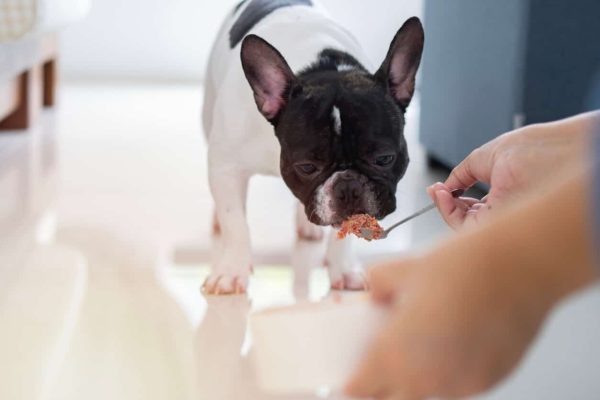
If your dog sneaks ham off the counter or eats more than a tiny piece, you might notice problems within hours. Potential signs include:
- Gastrointestinal upset: Excess sugar, fat, and salt can lead to diarrhea, vomiting, or abdominal pain.
- Excessive thirst and dehydration: The high salt content in ham can dehydrate your dog and leave them very thirsty.
- Choking or internal injury: Dogs can easily choke on a ham bone. If your dog is choking or having difficulty breathing, call your vet or take them to the emergency vet immediately. In the meantime, here’s what to do if your dog is choking.
- Salt poisoning: Though rare, salt poisoning can develop if your dog eats too much salt. Signs include lethargy, tremors, or seizures that occur after eating a large amount of salty food.
Long-term health effects
When dogs eat even small amounts of ham on a regular basis, they could develop a number of chronic health conditions, including:
- Pancreatitis: Ham is high in fat, and fatty foods are a known trigger for this condition.
- Obesity: Frequent high-calorie treats like ham can lead to weight gain, especially in smaller or less active dogs.
- Kidney strain and high blood pressure: These issues may develop in dogs who regularly eat too much salt.
- Diabetes complications: Sugary glazes can worsen blood sugar control in dogs with diabetes.
- Risks of nitrates and nitrites: In humans, excessive intake of these preservatives has been linked to a higher risk of certain cancers, as well as methemoglobinemia—a blood disorder that impairs oxygen delivery. While more research is needed in dogs, these additives may raise similar concerns for their health.
Ham may not directly cause these conditions on its own, of course. However, the high fat, salt, sugar, and preservative content can greatly increase your dog’s risk of developing these health issues.
Common Ham Seasonings and Sides To Avoid
Holiday hams are typically flavored with various glazes, spices, and additions, some of which are highly toxic to dogs. The ingredients below are dangerous even in small amounts and should always be avoided:
- Dried or fresh garlic, onions, chives, and leeks
- Grapes and raisins
- Xylitol
- Chocolate
- Macadamia nuts
- Cooked bones
Risky Sides Commonly Served with Ham
Many side dishes served with ham contain ingredients that can be harmful or toxic to dogs.
Dishes to avoid sharing with your dog include:
- Mashed potatoes
- Potatoes au gratin
- Stuffing
- Casseroles
- Biscuits
- Fried foods
- Macaroni and cheese
- Gravy
- Nuts
- Alcohol-based sauces, like wine reductions or rum glazes
- Pumpkin pie and other desserts, many of which contain chocolate, xylitol, raisins, nuts, or high amounts of sugar and fat
Learn more about safe and unsafe holiday foods here.
How To Keep Your Dog From Getting into the Ham
The best way to protect your pup from ham is to prevent access in the first place. These tips can help you keep ham out of paw’s reach:
- Clear the table and counters promptly: Don’t leave ham or side dishes unattended where your dog can reach them—if they can snatch a bite, they probably will!
- Cover serving dishes: Use lids or foil to keep food protected during meals or parties.
- Remind guests: Ask friends and family not to slip your dog any treats under the table.
- Secure the trash: Use a dog-proof trash can with a locking lid. Take out the garbage quickly if it contains ham, bones, or other potentially harmful foods.
- Train against counter surfing: If your dog is a food snatcher, our guide on how to keep your dog from counter surfing can help stop this behavior.
- Secure them: If you can’t keep an eye on your dog, use a baby gate or playpen to keep them safely out of the kitchen and dining area.
A small bite of certain types of ham from time to time usually won’t hurt your dog. Making ham a regular treat, however, can put your dog’s health at risk. It’s always better to choose safer treats and stick with dog-friendly holiday meals instead.