- Not a substitute for professional veterinary help.
If you have a large dog, find a dog walker with the right experience can help you feel confident that your dog is safe and secure, even when you can’t walk them yourself.

A good dog walker for large dogs needs more than strength, says Ali Smith, dog trainer and behavior consultant with Maven Pet. They also need knowledge of basic dog training and a consistent, positive reinforcement approach to help your dog cooperate during their walk.
Large dogs are often strong enough to pull, lunge, and even drag their walker off balance, if the walker is inexperienced or unprepared.
What’s more, large dogs who are anxious, timid, or reactive may need dog walkers with extra skills, which is why it’s always important to do a trial walk to make sure the walker is the right fit!
Read on to learn what to consider when choosing a walker for your large dog, plus tips to help you both set your dog up for success.
Tips for Walking a Large Dog
A few habits can help prepare your large breed dog for a new walker and give you more confidence handing over the leash.
- Use a front-clip harness: This type of harness gives the walker more control and reduces pulling.
- Practice effective leash handling: A firm, low grip combined with loose leash training gives you better control and reduces pulling.
- Bring treats: Rewards help reinforce good behavior during the walk.
- Practice turns: Teaching your dog to follow your direction can help walks go smoother.
- Don’t give in to pulling: Stopping when your dog pulls will show them you won’t give them what they want and help reduce this behavior.
- Remove distractions when possible: Fewer triggers for your dog to pull toward or react to, like walking past a dog park, makes for an easier walk.
- Stick to familiar routes: A regular route will usually lead to lower excitement and fewer unexpected reactions.
Once you’re ready to hire a dog walker, Smith recommends working closely with them before they take your dog out so they understand what your dog is used to and how they respond on walks.
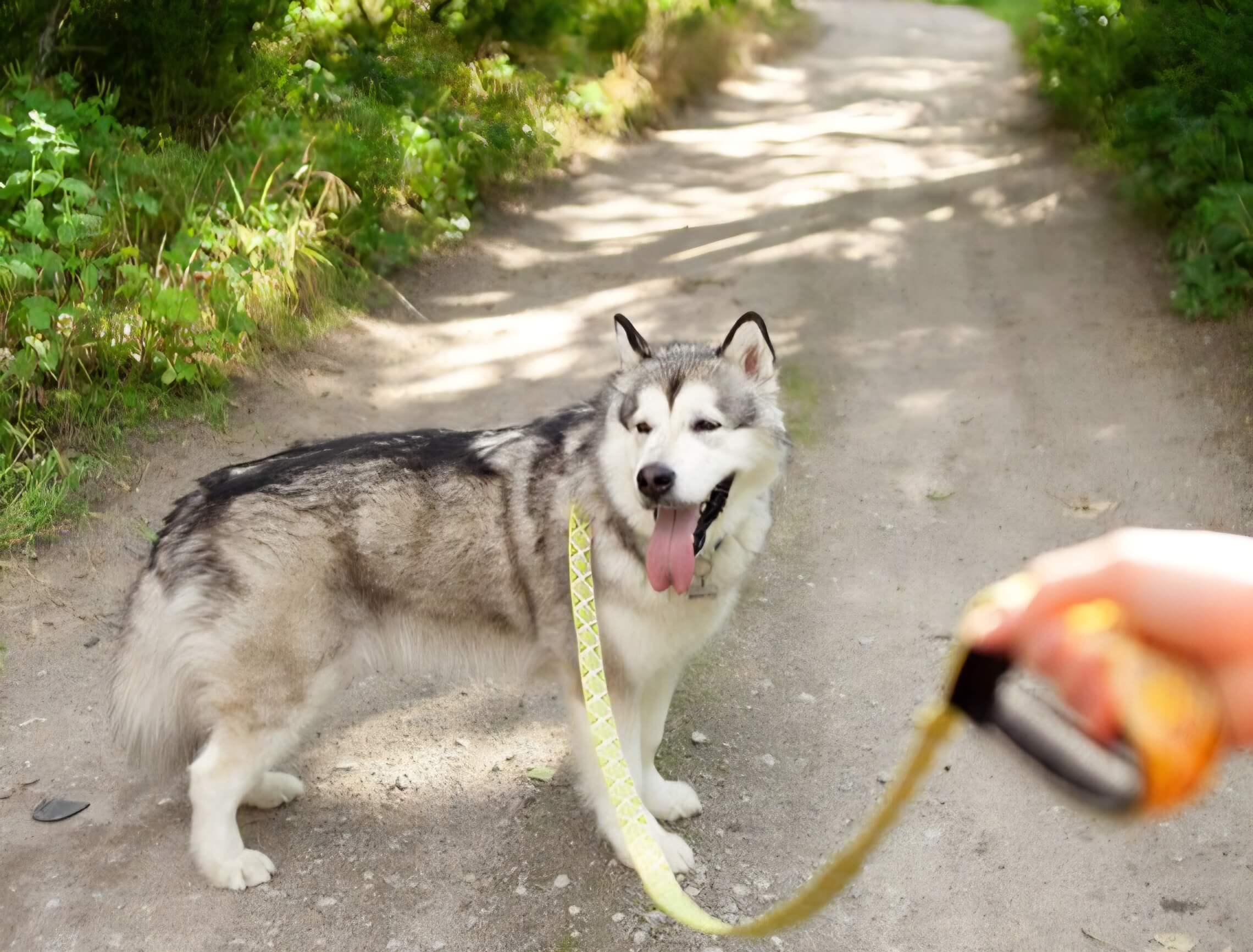
Photo courtesy of Tristan Vaughn
Checklist for Finding the Best Large Dog Walker
Smith says it’s important to interview your walker first. Asking the right questions can help you find someone who’s genuinely prepared to walk a large dog. It will also help to have potential walkers meet your dog ahead of time and take a short trial walk.
1. Can they handle pulling?
A meet and greet is the best way to determine this before you commit. Ask your walker to hold your dog while you step away, or use treats to guide your dog toward them. Watch for a calm, steady approach if your dog pulls.
If they pull back on the leash or keep moving with a pulling dog, you may want to search for someone with more experience.
2. Do they walk dogs in packs or solo?
Some large dogs do better with one-on-one walks, especially if they’re reactive or still building leash skills. A pack walk can work well for a confident, social dog, but it may not be the right choice for all dogs.
Plus, some dog walkers who regularly walk several dogs may not have experience with adding a large dog to the mix.
3. How familiar are they with large breeds?
Ask about the biggest dog they’ve walked and how often they walk dogs of a similar size. It’s also a good idea to ask how familiar they are with your dog’s specific breed, since handling needs can vary between breeds.
Smith recommends choosing walkers who show confidence around large dogs, which you may be able to see in photos. On Rover, walkers can share pictures of the dogs they’ve walked, so walkers used to larger dogs may have plenty of experience to show on their profile!
Check out Abbie’s advice for how to find a reliable dog walker for big dogs in the video below:
4. What does a successful walk look like?
This question can give you insight into a walker’s standards and experience.
If you ask about their typical walking process, from leash handling to pacing, they should be able to share specific examples of methods they use. You can also explain what you want from your dog’s walk experience and get their feedback to make sure your idea of success lines up.
5. What do they do when a walk doesn’t go well?
Ask what steps they take if a dog has difficulty during the walk, reacts to something, or refuses to keep walking. Ideally, they’ll have specific techniques, like redirecting your dog’s attention or pausing until they settle. You might also ask about a specific experience they’ve had in the past and how they handled it.
6. Do they carry insurance?
Rover’s Guarantee covers pets, but it doesn’t cover walker insurance. Ask your walker if they carry their own coverage. While insurance isn’t required everywhere, it can help protect the walker in situations like your dog accidentally injuring someone or damaging property during a walk.
7. How do they provide updates?
You might like an update or two from your dog’s walk, but frequent updates can mean your walker is spending more time on their phone than paying attention to your dog and the environment.
Clear communication before and after the walk can help make sure your walker is prepared before starting out. You can also let them know it’s fine to tell you how the walk went when it’s over.
How To Find a Walker for Your Large Dog
Rover makes it easy to find a walker suited to your dog’s size and personality. Create your dog’s profile and add details on their size, breed, and temperament. The app will then show you walkers with experience handling dogs like yours.
You can also filter your search by dog size and browse walker profiles directly. Look for walkers in your area who list experience, with large breeds, then reach out to learn more about them and schedule a meet and greet.