A Supply List for Pet Sitters and Dog Walkers
If you’re getting ready for your first booking, you might be wondering what pet sitter supplies you should have on hand. Ideally, the owner will provide everything their pet needs. But it never hurts to have a few essentials of your own in case they forget to pack something or run out of items at home.
In this checklist, we’ll cover the basic supplies for pet sitters, plus a few extras for dog walkers, boarding providers, and cat sitters. You probably won’t need every item for every booking, but having the essentials stocked and ready can come in handy when you least expect it.
The Basics Every Pet Sitter Should Pack
No matter what kind of pet care you’re providing, there are a few essentials to include in your gear bag. These items will keep your routine steady and help you prepare for unexpected situations and minor emergencies.
A spare leash and collar
If your client forgets to bring their dog’s collar, leash, or harness, you’ll be glad you packed an extra. Leashes can also break unexpectedly, so it’s good to have a backup at home or in your car.
A plain six-foot nylon leash will get the job done affordably. You can also consider a slip lead, which is helpful in the event a dog’s regular collar or harness is damaged or lost.
A pet first aid kit
Hopefully you’ll never need it, but a pet first aid kit can be essential in an emergency.
A basic kit might include gauze, bandages, antiseptic wipes, tweezers, gloves, and saline solution. Check expiration dates regularly and replace items as needed.
Food and treats
Your clients should provide food for their pets, but it’s always good to have a stash of treats of your own. Treats can help build trust with a nervous dog, reward good behavior, or redirect a dog’s attention if you need to move them away from a trigger or something unsafe.
Be sure to clear it with each pet parent first before offering their dog treats, and always check to see if their dog has any allergies or dietary restrictions.
Dog Walking Supplies
For your regular daily walks, there are a few basic supplies that are always handy to have around. Whether or not you need more advanced supplies depends on the location you walk in, the kind of dogs you walk, and how many dogs you walk.
Everyday dog walking essentials
- Comfortable walking shoes. If you’re going to be on your feet for hours, supportive, weather-appropriate shoes are a must.
- Poop bags. Running out is never fun. Keep a few extra rolls tucked into your bag or pocket.
- A spare leash or slip lead. A backup leash gives you a safe option if a leash breaks.
- Treat pouch. Keep treats within easy reach and save your pockets from crumbs and oil.
- Hand sanitizer. Nice to have for messy poop bag pickups or slobbery pups.
- Pet-safe wipes. Also nice to have to clean off muddy paws and bellies.
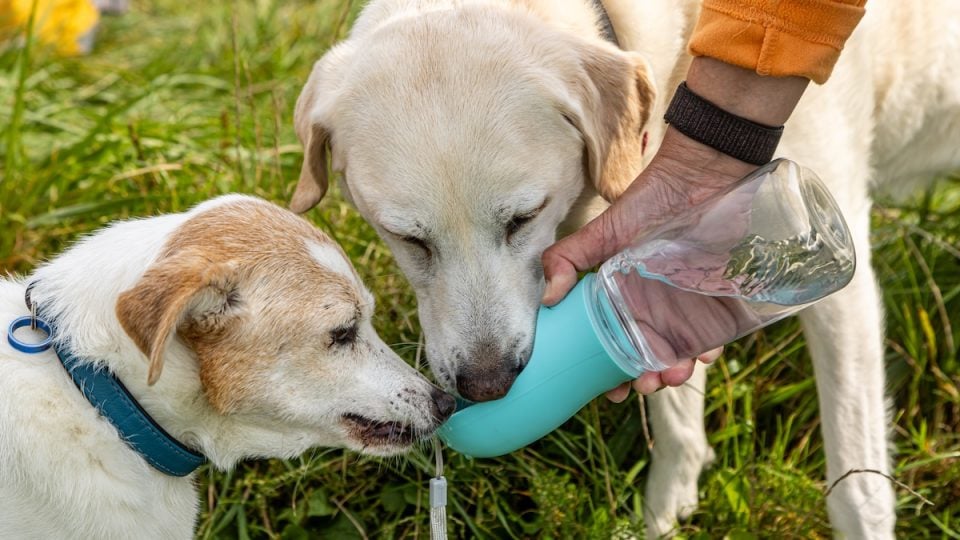
- Water bottle and collapsible bowl. Especially important on warm days or during longer walks.
- Phone and portable charger. Your phone is your GPS, camera, and your method of communication with your clients, so make sure it has enough battery to get through the day.
Helpful upgrades
- Hands-free leash. A hands-free lead clips around your waist and can make it easier to deliver treats, manage pullers, or snap updates for your clients.
- Leash coupler. This lets you safely attach two dogs to one leash. It’s useful for experienced walkers who regularly care for clients who have multiple dogs.
- Reflective gear. Reflective leashes, vests, or lights improve visibility during early morning, evening, or foggy walks.
- Flashlight or headlamp. Helpful for evening walks, especially in neighborhoods with limited street lighting.
- Dog rain gear. Some dogs hate getting wet. If you live in a rainy location, a dog poncho might be good to have in your dog walking supplies, especially if you care for small, short-haired, or senior pups.
- Key organizer or lockbox. A labeled key organizer helps you keep client keys and access fobs in one organized and secure place.
- Waste bag carrier. A holder with an odor-sealing compartment makes it easier to carry full poop bags until you find a trash can.
- Cooling towel. Great for helping you and the dogs you walk stay more comfortable during hot weather.

AleksandarNakic via iStock
Make Your Home Boarding-Ready
Boarding dogs is a little different than dropping in for a visit at their home or heading out on a walk. Since pets will be spending time in your home, you’ll want a few extra supplies. Start with the essentials, then add specialized gear as you learn what works best for your space and the dogs you host.
Dog boarding essentials
- A spare crate. Some dogs feel most comfortable resting in a crate. It’s also helpful to have one or two around if you need to separate dogs for meals, downtime, or safety.
- Baby gates. Gates make it easy to block off areas of your home that you don’t want dogs to access. They’re also great for separating dogs from other pets or kids in your house.
- Food and water bowls. Keep enough bowls on hand so each dog has their own.
- Pet-safe cleaning supplies. Accidents happen. It’s probably a good idea to stock up on paper towels, an enzymatic cleaner for messes, and pet-safe disinfectant so you’re ready for quick cleanups.
- Toys and enrichment. Puzzle toys, chew toys, snuffle mats, and treat-dispensing toys can help keep dogs mentally engaged between walks and play sessions.
- Washable blankets or beds. If your client doesn’t bring a bed for their dog, they’ll appreciate that you have a comfortable place for their pup to relax—just get one that’s easy to wash between stays.
- Lint roller or pet hair remover. A simple tool that makes it much easier to stay on top of shedding between bookings.
Nice-to-haves
- Pet camera. A camera lets you check in on dogs while you’re away and share photos or videos with pet parents for extra peace of mind.
- Grooming supplies. Brushes, dog shampoo, towels, and nail clippers can come in handy for longer stays or if a pup gets muddy on a walk (just check with the owner before grooming).
- Calming aids. If you’re boarding an anxious dog, white noise machines, calming music, or pet-safe pheromone diffusers may help.
- Slow feeders or puzzle feeders. Great for dogs who eat too quickly or could benefit from a little extra mental enrichment during mealtime.
Cat Sitting Essentials
Looking after a cat in their own home requires the fewest supplies—the most important thing is to know where the cat’s supplies are kept in the home. Still, it can be helpful to have a few things of your own on hand.
- Disposable gloves. Useful for scooping litter boxes, cleaning up accidents, or administering certain medications.
- Hand sanitizer. A quick way to clean your hands between visits, especially after litter box duty.
- Cat-safe wipes. In case the kitty gets wet food all over their face or needs their paws wiped.
- Lint roller. Cat hair has a way of following you home. Keep a lint roller in your car or bag for a quick wipe-down, if needed.
- Small flashlight. Cats are experts at hiding. If you’re having trouble finding them, you can use a flashlight to peek under beds, behind furniture, or into closets without startling them.
- Interactive toys. Having a few extra toys in your bag can offer a bit of novelty to the day, encouraging shy cats to warm up and get to know you.
Cat Boarding Supplies
Most cats are happiest in their own homes, so boarding isn’t as common. But every now and then, you might welcome a feline guest into your home. Cats tend to appreciate quiet spaces and familiar routines. A few thoughtful supplies can also help them settle in and feel more at home.
Cat boarding essentials
- A litter box (plus extra litter). If you have cats of your own, provide your cat guest with a separate litter box in their own space. Cats prefer to have a box of their own.
- Food and water bowls. Keep separate bowls for boarding cats rather than sharing with your own pets.
- A secure cat carrier. Just in case you ever need to transport a cat to the veterinarian or back to their owner.
- A cozy bed or blanket. Give cats a comfortable place in your house that they can claim as their own. Better yet, encourage pet parents to bring a favorite blanket or bed that already smells like home.
Nice-to-have upgrades
- A dedicated safe space. Many cats adjust best when they have their own quiet room with a securely latched door, complete with food, water, a litter box, toys, and a cozy hiding spot. Once they’re comfortable, you can gradually introduce them to the rest of your home.
- Pet camera. Check in on your feline guest without interrupting their nap, and send reassuring updates to pet parents.
- Grooming supplies. Brushes, cat-safe wipes, towels, and nail clippers can be useful for longer stays (with the owner’s permission, of course).
- Calming aids. White noise, calming music, or cat pheromone diffusers may help some cats feel more relaxed.
- Cat tree or window perch. Cats naturally seek elevated resting spots, so it might be nice to give them a place to climb or observe their surroundings.
- Scratching post or scratcher. Scratching is a natural behavior for cats, so a scratching post might help them settle in better—and keep curious claws away from your furniture!