- This post contains affiliate links. Read more here.
- Not a substitute for professional veterinary help.
Vacations and getaways are an exciting part of life, but for cat parents, they also come with a bit of stress. Leaving your cat behind can feel nerve-wracking. You want to make sure they’re safe and happy while you’re gone—which means finding a trustworthy, caring sitter and preparing them before you go.
“Having everything listed out, from eating habits to vet information, is essential,” says veterinarian Dr. Jordan Beauchamp. “Though cats are more independent than dogs, they still need company and care while you’re away.”

Taking the time to help your kitty feel comfortable before your trip and providing your sitter with clear, detailed care instructions can set everyone up for success. With the right planning, you can head out knowing your cat is happy, your sitter has everything they need, and you’ll have one less thing to worry about while you’re away.
Preparing Your Cat
Half-packed suitcases and the last-minute scramble are enough to put your cat on high alert that change is coming. Cats are incredibly observant, so it’s no surprise they become uneasy when they sense a shift in their home.
Consider doing the following to make pre-trip prep easier on your cat:
- Keep things calm and stick to your cat’s routine as much as possible.
- Take some time to offer pets and affection to help your cat feel more relaxed.
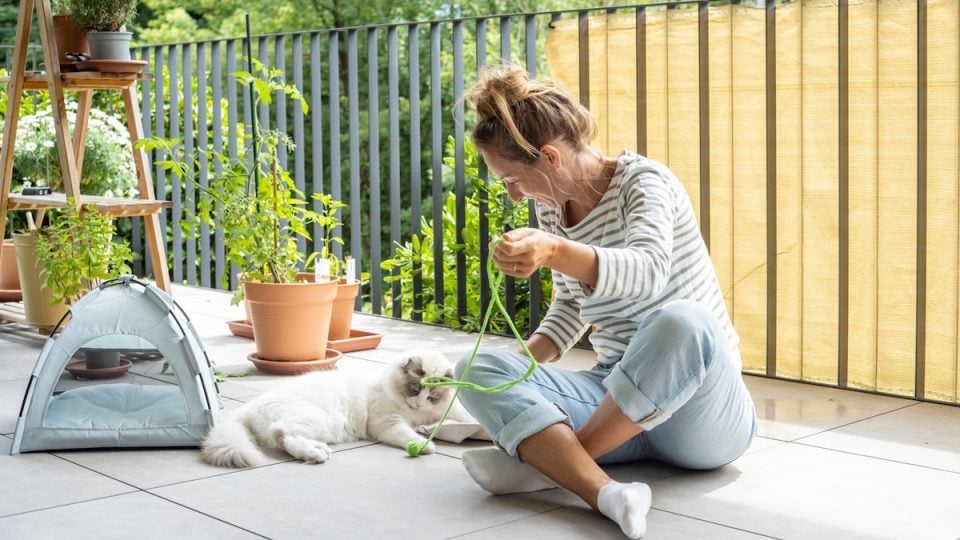
- Engage in a play session to help your kitty burn off energy before you leave.
- Make sure your cat’s favorite lounging spot is accessible, especially if they won’t have their usual access to the entire home.
- Set aside plenty of your cat’s favorite toys for independent play and bonding time with the sitter.
- Stock up on cat food and treats, keeping extra on hand in case of an emergency.
- Refill any prescriptions and make sure there’s enough medication available if your cat has ongoing health needs.
- Schedule a meet and greet before your trip so your cat can get acquainted with the sitter. This is also a great opportunity to show the sitter around your house and point out where essentials are located.
Writing Care Instructions
Writing clear, detailed care instructions is one of the best ways to help prepare your cat sitter for all the things your cat will need while you’re gone. When making a thorough checklist, be sure to include:
- Your cat’s feeding schedule, including how much and when to feed them.
- Notes about your cat’s favorite toys and tips for encouraging playtime.
- House care instructions, such as maintaining the home’s temperature, locking doors, and any other household tasks.
- Emergency contact information, including your veterinarian’s contact details and the name and number of a trusted family member or friend.
- Details about your cat’s personality, including their likes, dislikes, routines, and any quirky behaviors.
- Detailed instructions for medications, specialized care, or symptoms to watch for, if your cat has medical needs—try to review them with your sitter in person before you leave.
- Your preferred contact information and how often you’d like to receive updates during your trip.
Feeding schedule and instructions
Since cats are creatures of habit, it’s best to keep their feeding schedule as consistent as possible. Maintaining their normal routine can help reduce stress and make it more likely that they’ll want to eat while you’re away.
“Cats, unlike dogs, can be much pickier when it comes to their diet, especially if they are stressed because their people aren’t there,” says Dr. Beauchamp. “It’s good to let your sitter know if they get wet versus dry food, and if they prefer one over the other if they are on a hybrid diet, so that they can be encouraged to eat. A cat that’s not eating can get sick fairly quickly, leading to gastrointestinal and liver issues as well as respiratory trouble.”
In addition to letting your sitter know where your cat’s food is stored, be sure to provide clear instructions on:
- Portion sizes
- Feeding times
- How many meals your cat eats each day
- Whether your cat receives medication with or after meals
- Which treats are okay to give your cat
- How many treats your cat can have and how often
If you have multiple pets that eat different foods, label each food container with clear feeding instructions.

South_agency via iStock
Playtime and exercise
Cats may have a reputation for being more independent than their canine counterparts, but regular mental and physical stimulation is still essential for a happy, healthy life. Even if you expect your cat to be shy around a new sitter, ensuring they have plenty of opportunities for mental enrichment and exercise can help them stay active and engaged.
Be sure to let your sitter know about your cat’s favorite toys and leave a variety of safe play items available for independent play, such as lick mats, kicker toys, cat tunnels, and food puzzles. You can also set aside a few toys for your sitter to use when playing with your cat, like wand or string toys.
Personality traits
Providing notes about your kitty’s unique personality traits can go a long way in preparing a cat sitter for their stay. Help your sitter know what to expect by writing down favorite hiding spots, preferred lounging areas, and tips for encouraging play.
Be sure to also include the quirks that could impact their safety and mental health as well, like the way your cat tries to escape the back door every time you open it or the noise in the basement that startles them.
One not-so-fun habit to let your sitter in on is if your cat tends to vomit when they’re stressed. Be sure to include any tips for reducing your cat’s anxiety, as well as where the cleaning supplies are located in case of an accident (or a hairball).
House care
Whether your sitter is staying overnight or stopping by for drop-ins, you’ll want to clarify basic home details, especially if they’re expected to do light home tasks as well. Things to cover include:
- Accessing and locking up/securing the home when they leave via door codes, key locks, alarm instructions, etc.
- Any expected visitors while you’re away, such as cleaners, gardeners, repair workers, etc.
- Operating the thermostat and what temperature you’d like to keep the house at during the day or night.
- Network name, password, and router location for your Wi-Fi; entertainment information for streaming services.
- Emergency shut-off locations for the water valve, gas line, or circuit breaker box.
- Trash and recycling days, bin locations, and instructions for where to put dirty litter.
- Any additional household responsibilities, such as bringing in the mail or watering plants.
- Where your sitter will stay, what bathroom to use, and if there are any areas off-limits in the house to guests or pets.
Emergency care
Part of being a responsible pet parent is preparing for the unexpected. While it’s never fun to think about a medical emergency or other crisis, having a plan in place can help your sitter respond quickly and confidently if something happens while you’re away.
Make sure to jot down the following information and have it on hand for your sitter:
- Your regular veterinarian’s name and contact information.
- The contact information for a nearby 24/7 emergency veterinary clinic.
- The name and contact information of a friend or family member who can help if your sitter is unable to reach you or needs assistance with your pet. (Pro tip: Let your emergency contact know ahead of time that you’ve shared their information with your sitter, so they’ll be prepared to help if needed.)
Communication preferences
One of the benefits of booking through Rover is receiving regular updates while you’re away. You’ll also be notified when each visit begins and ends, along with photos and a summary of how your cat is doing through the stay.
Before your sitter stays with your cat, clarify your communication preferences and consider discussing the following:
- How often you’d like updates (once a day, every drop-in visit, etc.)
- If you prefer updates by phone call or text
- If you’ll have limited cell service or may be difficult to reach during your trip
owngarden via iStock
Preparing Your Home
Preparing your home in advance helps ensure a smooth experience for both your sitter and your pet. “It’s best to have everything your sitter might need very accessible, so that litter can be changed regularly and water can be easily refreshed,” advises Dr. Beauchamp.
Other best practices before your sitter arrives include:
- Providing a clean, organized space for your sitter, including fresh towels and clean sheets if they’ll be staying overnight.
- Taking care of any necessary home maintenance, such as plumbing repairs or lawn care, before your sitter arrives.
- Keeping written instructions in an easy-to-find spot for your sitter to reference.
- Ensuring your cat’s comfiest lounge spots (blankets, cat tree, bed) are clean.
- Making sure cleaning supplies are accessible and ready in the event of a hairball or mess.
- Notifying neighbors that your cat sitter will be checking in or staying at your house while you’re away.
Dr. Beauchamp also emphasizes the importance of cat-proofing your space before you leave. “If you have a cat that likes to chew on things they aren’t supposed to, such as wires, make sure those wires are unplugged and tucked away out of reach,” she says.
For anxious felines who sense a shift in routine coming, she also recommends placing pheromone diffusers around the home or talking to your vet about situational medication to help reduce stress.
What If You’re Boarding Your Cat?
“Since cats are very territorial, boarding away from home can be a tougher experience,” says Dr. Beauchamp. “Boarding can significantly increase a cat’s baseline stress if you remove them from home, so I always recommend having a sitter who can drop in or stay at the house as the first option.”
In cases where boarding your cat might be the best option, Dr. Beauchamp recommends finding a cat-only facility.
Using Rover’s platform to find in-home boarding is one easy way to find sitters who have feline-friendly homes or only take one cat at a time.
How to emotionally prepare your cat for boarding
Boarding can be a big change for even the most confident cats, so helping them adjust beforehand can make the transition easier. In the weeks leading up to their stay, leave out their carrier so that it becomes a familiar and comfortable space rather than something they associate with anxiety.
Try using a cat-calming collar or spray for the car ride to reduce stress, and discuss doing a trial stay or test run before your big trip.
What to pack when boarding your cat
Although the environment will be different, Dr. Beauchamp says maintaining as much familiarity as possible is key. Bringing your cat’s everyday items, even if it means packing their litter box, can help ease anxiety and encourage normal eating and bathroom habits.
To help make the transition as smooth as possible, consider packing:
- A favorite blanket or towel for them to cozy up on (with the scent of home)
- Calming spray to spritz on the blanket once a day to help reduce stress
- Favorite toys that are not small enough to swallow
- Your cat’s litter box and litter
- Your cat’s food and treats
- Detailed instructions on how to maintain your cat’s schedule as much as possible
Whether you’re getting ready to drop your cat off at boarding or getting things ready for your sitter to come to your house, a little preparation goes a long way for a smooth stay.