
- Not a substitute for professional veterinary help.
Finding the right pet sitter can help keep your puppy happy and give you peace of mind about your puppy’s comfort while you’re away.

Puppies under 16 weeks old are in a key learning stage, and positive experiences with a trusted sitter during this time can teach them that new people and places are safe.
Qualified sitters can properly care for your puppy and even support healthy behavioral development, says Dr. Susanne Heartsill, US Director of Companion Animal Veterinary Services at Ceva Animal Health.
Read on to learn what to consider when searching for a puppy sitter and how to prepare your pup for a successful stay.
Why Puppies Need In-Home Sitters
In-home pet sitting usually works better for puppies than drop-in visits. Drop-in visits generally last 30 to 60 minutes, which isn’t enough time for most puppies who need frequent potty breaks, more mental stimulation, and steady supervision.
According to Dr. Heartsill, puppies thrive on consistent routines. Predictable feeding, potty breaks, and training schedules all help build good habits. Keeping them in familiar territory—your home—can also help reduce stress, which can make it easier for them to succeed at training.
If your puppy hasn’t finished their vaccine series, make sure your sitter understands how to socialize them safely and won’t have unvaccinated pets around them. Staying home lowers their exposure to unfamiliar dogs and germs that could make them very sick.
Puppies will likely do OK at a sitter’s home if it’s safe and familiar. Before choosing this option, it’s important to check for:
- Safety: Make sure any medications and chemicals are secured, electrical cords are blocked, and the yard is fenced.
- Other pets: Make sure other pets are vaccinated, puppy-friendly, and can be separated when needed.
- Routine and schedule: Confirm how often your puppy will get potty breaks and if your sitter can follow their usual routine.
- Comfort: Ask how your sitter will handle the situation if your puppy seems sick or scared.
What To Look for in a Puppy Sitter
The right sitter should have experience beyond basic dog care. Look for specific puppy skills and ask questions to learn more about how they handle real situations.
| Quality | Why it matters | Question to ask |
| Potty training support | Consistency prevents setbacks in house-training | “How often can you give potty breaks, and how do you reward success?” |
| Obedience basics | Puppies learn best with consistent cues | “How do you handle a puppy who ignores a command?” |
| Leash walking | Puppies often pull or get distracted easily | “How do you manage leash pulling or distractions on walks?” |
| Reading puppy body language | Helps prevent fear, overstimulation, or accidents | “How can you tell when a puppy is anxious or overwhelmed?” |
| Routine consistency | Puppies thrive on predictable schedules | “Can you commit to the same feeding and potty schedule each day?” |
Specific, confident answers usually show that the sitter has the skills and experience needed. If potential sitters give vague responses and can’t elaborate, you may want to keep searching for a better fit.
In some cases, you’ll want to share important details about your puppy’s preferences, like telling the sitter how your puppy likes to be rewarded when going potty outside.
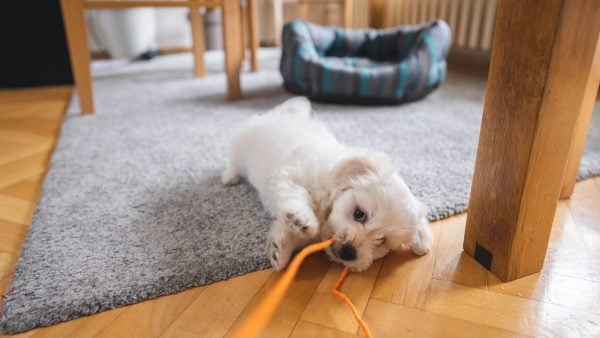
freemixer via iStock
Factor in your puppy’s breed
Some breeds require a more experienced sitter. Beagles and Huskies, for example, are known for their stubbornness, and they may test boundaries more than others. Puppies who aren’t food motivated can be harder to train with treats alone. If you’ve noticed these traits in your puppy, an ideal sitter will have experience working with pets with similar traits.
Use the right search filters
On Rover, search for sitters who list puppy care, house training, or puppy-specific experience on their profile. Keywords like “puppy,” “crate training,” or “potty training” can help narrow your search to sitters who’ve done this before.
Consider cost carefully
Price alone doesn’t guarantee quality, but it’s worth paying some attention to a sitter’s rates. A rate that’s far below average may mean the sitter has less experience or is new to puppy care. A higher rate often reflects added skills, like medication administration or one-on-one attention, so it’s important to ask about their specific skills and expertise if they don’t list these on their profile.
How to Prepare for a Puppy Sitter
A few advance steps can help your sitter feel confident while caring for your puppy, not to mention keep your puppy safe. Before your trip, take some time to puppy-proof your space.
Dr. Heartsill also recommends preparing a written checklist covering the categories below:
| Category | What to share |
| Daily routine | Feeding schedule and amounts, water access, potty schedule, exercise needs, crate and sleep routine, approved treats |
| Training & behavior | Known cues, current training goals, preferred rewards, socialization goals, fears or sensitivities, signs of stress or overstimulation |
| Health information | Vet and emergency hospital contacts, vaccination status, medications and dosing, allergies, microchip info, pet insurance |
| Safety information | Emergency contacts, off-limit areas, leash and ID requirements, escape-prevention steps |
| Emergency authorization | Written permission for vet treatment, who can make medical decisions, spending limits if needed |
How To Find a Puppy Sitter Near You
Rover makes it simple to find a sitter suited to your puppy’s needs. After you create your Rover account and set up your puppy’s profile, the platform will show you sitters experienced with puppy care. If you skip this step, select “puppy” as your pet type before searching to get the right matches.
Once you’re browsing profiles, look for these details:
- Home characteristics: Most puppies do best staying in their own home, but if you choose a sitter’s home instead, check the details like a fenced yard, other pets, or children in the household.
- Potty breaks: Rover has sitters share their availability and how often they can offer potty breaks. This lets you find a match for your puppy’s needs, whether that’s every hour or every few hours.
- Puppy rates: Rates vary by sitter and location. The average in-home dog sitting rate is $55.45 per day, or $49.01 for care at the sitter’s home. Some sitters also offer weekly or monthly discounts.
- How many pets the sitter can host: Some sitters, like Michael, take only one client at a time for full attention. Others, like Jasmine, can host up to two pets per night.
- What the sitter wants to know: Most sitters ask about your puppy’s schedule and personality before a stay. Sitters who ask more questions are often more experienced and more attentive to your puppy’s care. You can also share extra details as needed.