- Not a substitute for professional veterinary help.
Kennel cough is a common respiratory illness that affects dogs. Its hallmarks are a distinctive honking cough, runny nose and eyes, and tiredness. The good news is that for most healthy adult pups, treatment and recovery are straightforward. The bad news? It’s highly contagious.
Kennel cough can spread wherever dogs socialize, whether that’s daycare, a grooming facility, or an animal shelter. “Think of it like a highly contagious cold for dogs,” explains Dr. Kristine Smith, DVM, Medical Lead for Biologicals at Zoetis.

With help from Dr. Smith and Dr. Rebecca Greenstein, we review how to identify the symptoms of kennel cough, when it’s time to see the vet, and what treatment might look like.
Symptoms of Kennel Cough in Dogs
As Dr. Smith points out, the signs of kennel cough in a dog look a lot like a common cold seen in people.
Common kennel cough symptoms include:
- Persistent cough
- Runny nose and eyes
- Sneezing
- Lethargy
- Loss of appetite
- Low fever
What does kennel cough sound like?
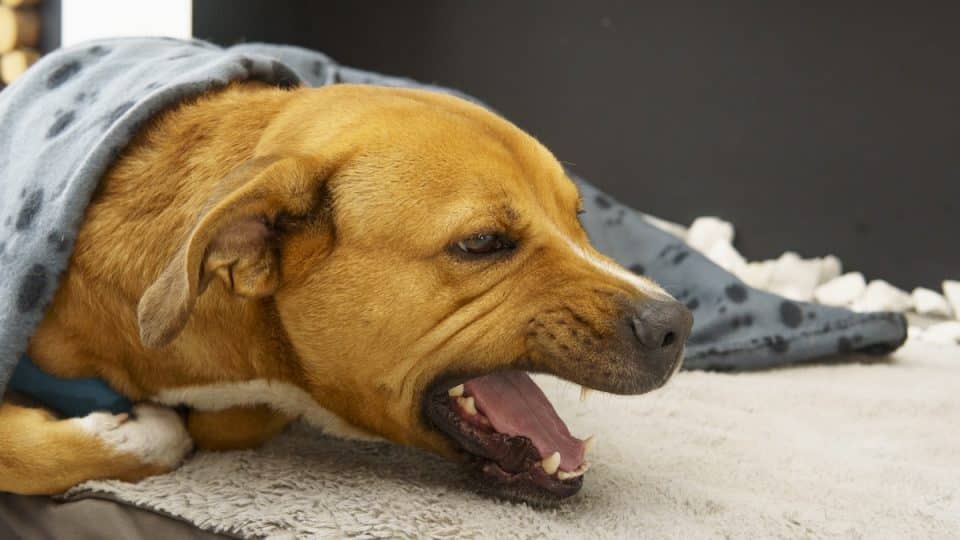
The dry cough is the most distinctive symptom of kennel cough. It’s persistent and forceful, often with a honking sound. It might sound like your dog has something stuck in their throat.
It can lead to gagging, heaving, or retching of foamy phlegm or mucus, and it’s typically easily triggered. Light exercise, excitement, or gentle pressure on the throat can cause coughing to start.
More serious issues that start off with a cough
Though coughing is the hallmark of kennel cough, it alone isn’t enough to make a diagnosis. A continual cough that won’t quit can also be a sign of more serious conditions like canine distemper, canine influenza, tracheal collapse, or nasal infection. A vet trip is a good idea to rule out other health problems.
How Do Dogs Get Kennel Cough?
“The primary cause of kennel cough is often the highly transmissible bacterium Bordetella bronchiseptica, which spreads year-round,” explains Dr. Smith.
It spreads via airborne particles and contaminated surfaces, which can include:
- Contact with an infected dog
- Contaminated floors or clothing
- Shared items like water bowls or toys
Symptoms of kennel cough often don’t show up until four to ten days from exposure, making it particularly tricky to spot before it spreads to more dogs.
Common places dogs get kennel cough include dog parks, kennels, groomer’s, and shelters.
-

Ruslan malysh via iStock
Do You Need To See a Vet for Kennel Cough?
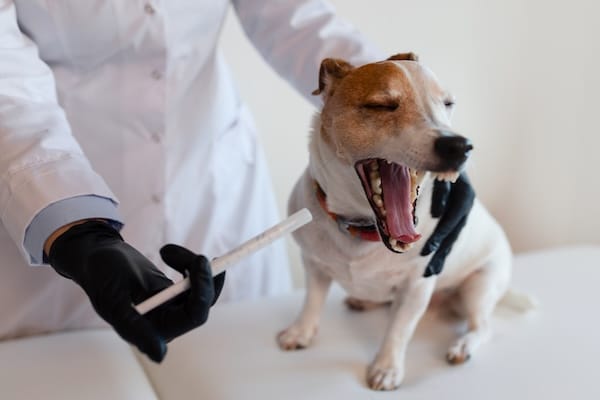
Though many healthy adult dogs can recover on their own from kennel cough in about 1-2 weeks, it’s a good idea to schedule a visit to your vet.
First, your vet can help confirm your diagnosis and rule out more dangerous conditions. “It might be a more serious case, or it could be another respiratory condition masquerading as kennel cough,” Dr. Greenstein tells us.
Second, there are situations where kennel cough can be dangerous. “In severe cases, Bordetella infection can progress to pneumonia, requiring hospitalization, and can even turn fatal,” says Dr. Smith.
Dogs at particular risk for a severe infection include:
- Puppies and very young dogs
- Senior dogs
- Unvaccinated or incompletely vaccinated dogs
- Immunocompromised dogs
How do you know if a serious infection has taken hold? “If a cough is getting worse or you’re starting to see overall signs of malaise, such as not eating, lethargy, vomiting, and most importantly: if they’re having any signs of difficulty breathing—that’s an indication you should go see your vet,” Dr. Greenstein says.
How To Treat Kennel Cough
If you suspect your dog has kennel cough, isolate them from other dogs immediately and reach out to your vet, who can evaluate their symptoms and determine whether a visit is in order.
For many otherwise healthy dogs, once the diagnosis is confirmed, kennel cough is a “wait it out” affliction that doesn’t require treatment. Mild cases can resolve on their own with a week or two of rest.
You can help keep your dog comfortable at home while they recover by:
- Using a humidifier, vaporizer, or steam from a shower to relieve breathing passages—unless you have a brachycephalic breed, in which case Dr. Greenstein warns that this can worsen the condition
- Avoiding exposure to smoke or other irritating fumes
- Switching your dog from a collar to a harness to avoid putting irritating pressure on their throat
- Isolating them from other dogs to avoid spreading the virus
For dogs who are especially at risk of complications from kennel cough, a vet may prescribe:
- Antibiotics to prevent a secondary infection like pneumonia
- Cough suppressants to relieve discomfort
- Anti-inflammatories to reduce inflammation in the airways and bring down a fever
If kennel cough results in pneumonia or complications, expect more serious treatments, like:
- Hospitalization
- IV fluids
- Oxygen therapy
Kennel Cough Vaccines and Prevention
Vaccinations are the most active step you can take toward preventing kennel cough. Many of the core vaccines recommended for your dog include protection against some of its root viruses, and the Bordetella vaccination protects against the most common cause.
Most doggy daycares and training facilities require a Bordetella vaccination every six months to control the spread of kennel cough. If your dog is regularly mixing with other dogs, it becomes even more important to keep your pet’s vaccines up to date.
Unfortunately, just like the flu vaccine for humans, the Bordetella vaccine doesn’t guarantee immunity. “Like the covid vaccine, it doesn’t offer 100% prevention, but it does lessen the severity of the symptoms,” Dr. Greenstein reports.
It’s also important to understand that the vaccine is not a “one-and-done” deal, and most dogs will require regular boosters to ward off infection.
How long does kennel cough last?
In most cases, kennel cough lasts about 1-2 weeks. Symptoms that carry on beyond that should be addressed by a vet to rule out underlying problems.
Is kennel cough contagious to humans?
For the most part, the different bacteria and viruses that cause kennel cough are species-specific. So catching kennel cough from your dog is highly unlikely.
Theoretically, the Bordetella virus can be transmitted to humans, Dr. Greenstein says, but this is incredibly rare and would only occur in people with very weakened immune systems. For the average healthy adult, Bordetella isn’t a threat.