- Not a substitute for professional veterinary help.
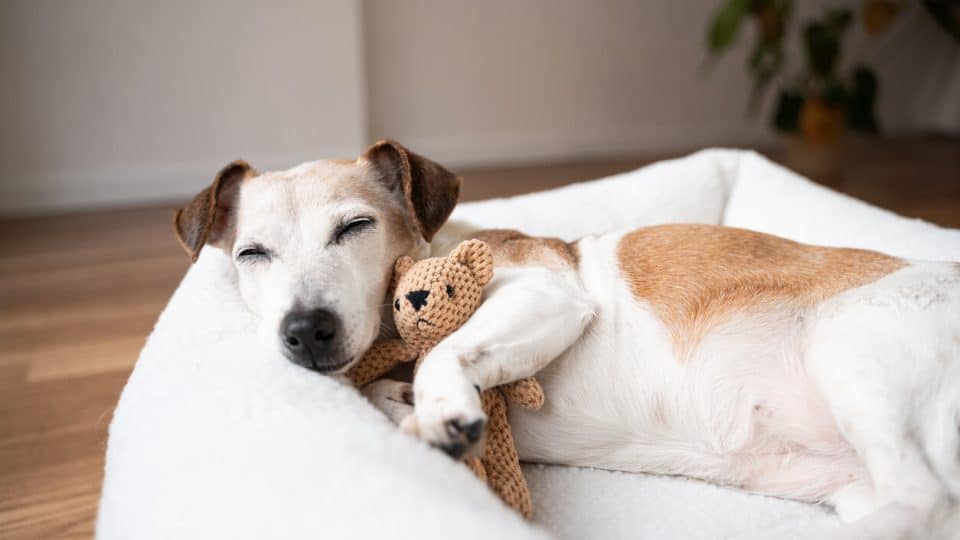
For many dogs, fireworks can be incredibly scary and overwhelming.
“The sudden boom, flashes of light, unpredictable timing, and vibrations can trigger anxiety, which can manifest as barking, shaking, hiding, or attempts to escape,” says Hayley Kenner, a professional dog trainer and co-founder of Revival Dog Training.
As a pet parent, it can be tough to watch your dog feel so distressed—but with the right approach and a few supportive tools, you can help your pup cope with their fear of fireworks.
From day-of solutions to long-term strategies, here’s how to help calm your dog during fireworks.
1. Order Sileo from Your Vet
Sileo is a mildly sedating prescription medication specifically designed for noise phobia in dogs, making it a go-to option for firework fear. Some research suggests that, over time, using Sileo during noise events may reduce a dog’s need for anti-anxiety medications.
It comes as a gel you apply between the dog’s inside cheek and gum. It typically takes effect within 30 minutes, which is much faster than many pill-based medications, which can take up to two hours to take effect.
“It works rapidly due to being applied directly on the mucous membranes,” says Dr. Ray Spragley, veterinarian and founder of Zen Dog Veterinary Care.
Ideally, you’d give your dog this medication 30-60 minutes before fireworks start, but you can also give it once they start, since it begins to work so quickly. With your vet’s approval, you can give an additional dose up to five times during a noise event, as long as you wait at least two hours between doses.
2. Ask Your Vet About Other Anti-Anxiety Medications
If your dog needs a more sedating or longer-lasting effect, your vet may prescribe another anti-anxiety medication.
According to Dr. Spragley, the two most commonly prescribed options are trazodone and gabapentin. Both are human medications widely used in veterinary medicine for their calming, moderately sedating effects. They’re typically given 1 to 2 hours before a stressful event, and their effects generally last about 8 to 12 hours.
Dr. Spragley recommends doing a test dose on a calm day to find out how your dog responds and how long the effects last, since different medications won’t work the same for every dog.
Your vet may prescribe trazodone and gabapentin individually, together, or alongside Sileo.
3. Set Up a Safe Den for Your Pup
Creating a secure indoor space can help your dog feel more protected and calm during fireworks. Choose the quietest room in your home, close curtains or blinds to block out flashes, and add your dog’s favorite toys, blanket, or other comfort items.
4. Tire Your Dog Out Before Fireworks Start
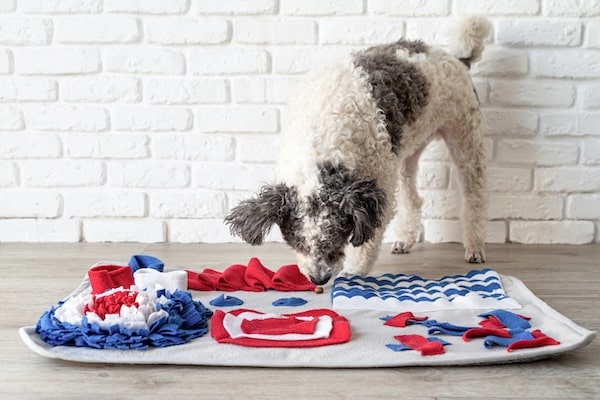
A tired dog is often a calmer dog. Plan a long walk, play session, or enrichment activity earlier in the day—well before fireworks begin. If outdoor exercise isn’t an option, exercise your dog’s brain with puzzle toys, training sessions, nose work, or scavenger hunts.
5. Use Calming Aids or Supplements
There are many over-the-counter supplements marketed for anxiety in dogs, but Dr. Spragley says results can vary widely. They may help some dogs quite a bit and others not at all.
A few options to try include:
- CBD: This hemp-derived compound used to promote relaxation may help reduce anxiety in some dogs. It’s commonly available as oils or chews. Only use dog-specific products without THC, which is toxic to dogs.
- Pheromone diffusers: These devices release synthetic versions of calming pheromones produced by mother dogs, which may help create a sense of security.
- Benadryl: This over-the-counter antihistamine is sometimes used for its sedating effects. It makes your dog drowsy, but it does not treat anxiety.
- Calming treats: These products often contain naturally-derived ingredients, such as L-theanine, melatonin, or herbal extracts, which may support relaxation and reduce mild anxiety.
Important: Always check with your vet before giving your dog any over-the-counter medication or supplement.
6. Try a ThunderShirt or Anxiety Vest
“A very common product used to help combat firework fear is a ThunderShirt,” Kenner says. “ThunderShirts can help with easing anxiety and fear by offering a compression and gentle, constant pressure, much like a tight hug.”
Kenner says the research on the benefits of anxiety wraps and vests is still limited, and their effects can vary from dog to dog. Still, many pet parents report it helps calm their dogs during fireworks.
7. Have High-Value Distractions Ready
Distraction can help some dogs better cope with stress. Offer your dog treats they really love, ideally served in enrichment tools that are mentally stimulating and take time to finish.
Some good options include:
In addition to providing a distraction, licking and chewing are naturally calming behaviors that can help regulate your dog’s stress response.
8. Turn on Music, White Noise, or the TV
Background noise can help mask the sound of fireworks and make the environment feel more predictable.
Soft music or white noise tends to work best, but even a TV can help. While these sounds may not completely block out fireworks, they can reduce the intensity and make the experience a little less jarring.
9. Cuddle or Comfort Your Dog
Your presence and demeanor matter more than you might think.
“By acting calm, confident, and reassuring, you’re demonstrating to your dog that there is no danger,” Kenner says.
She recommends slow, gentle petting and speaking in a soft, calm voice, rather than frantic petting or a worried tone. That said, not all dogs want physical contact. If your dog prefers to hide or have space, let them—forcing interaction can increase stress.
10. Don’t Rule Out Long-Term Training
If fireworks are a yearly struggle for your dog, long-term training can make a real difference.
“An effective way to help change how they interpret those noises is through counterconditioning and gradual, controlled desensitization,” Kenner says.
These two training methods go hand in hand:
- Desensitization involves slowly exposing your dog to recordings of fireworks at a low, non-threatening level and gradually increasing the intensity over time.
- Counterconditioning involves pairing that exposure with something positive, such as treats or play, to teach your dog that those sounds predict good things.
With consistency and time, you can help your dog build a more neutral—or even positive—association with fireworks.
Even if your dog isn’t currently showing fear, Kenner says preventative training can help reduce the chances of anxiety developing in the first place.
FAQs About Dogs and Firework Anxiety
How long does stress from fireworks last?
For many dogs, the fear response lasts for the duration of the fireworks, but the effects don’t always stop when the noise does—this depends on the dog. Stress hormones can remain elevated for several hours, and in some cases even a day or two, before returning to normal, according to Dr. Bethany Hsia, veterinarian and co-founder of CodaPet.
Why do dogs run away during fireworks?
Dogs often try to escape because they perceive fireworks as a threat. In panic mode, they may instinctively bolt. To help prevent this, keep your dog indoors during fireworks events and make sure to close all doors and windows ahead of time.
What is the quickest way to calm a dog during fireworks?
Sileo is often the most effective immediate option, as it takes effect in about 30 minutes. Pairing Sileo with a safe space, your presence, and calming distractions typically provides the best results.
How do you sedate a dog at home for fireworks?
Always ask your vet about safe, appropriate medication options like trazodone or gabapentin. They can offer guidance on the proper dosing, timing, and safe use for your dog.
Where can I rub or pet my dog to calm them down?
Gentle strokes along the chest, shoulders, or back can help calm your dog during fireworks. Stick to slow, steady movements, rather than fast or frantic petting.
Should I leave my dog alone during fireworks?
Kenner does not recommend leaving your dog alone during fireworks. Some dogs may feel even more panicked without you there, which can make future fireworks events even more stressful.
If you need to go out, arrange for a trusted friend, family member, or pet sitter to stay with your dog.