- Not a substitute for professional veterinary help.
A few consistent habits can help keep your dog healthy and have a positive impact on their life. These habits fall into a few main categories: nutrition, exercise, hygiene, and mental stimulation.
For example, things like daily walks, tooth brushing, and grooming all support a dog’s well-being over time. These habits can’t guarantee a long life, since genetics play a major role in a dog’s lifespan. However, they can certainly help keep your dog happy and healthy.
Your dog’s age, breed, size, and activity level affect how much care they need. For example, a senior dog will need a different routine than a high-energy puppy.
Read on for insights from Dr. Jennifer Trees, veterinarian and Medical Director at Corona Del Mar Animal Hospital, about the best ways to support your dog’s health.
Daily and Weekly Habits
Dr. Trees shares the following healthy habits to help build a simple routine for your dog’s care.
| Habit | Schedule | Helps prevent | Tips |
| Teeth hygiene | Daily | Dental disease | Brush your dog’s teeth daily. You can also alternate with dental chews or water supplements. |
| Walking | Daily | Obesity | Adjust the length of time and pace as your dog ages to keep them comfortable. |
| Fresh water and the right amount of food | Daily | Dehydration and obesity | Keep water available at all times. Give your dog portioned meals based on their size and activity level. |
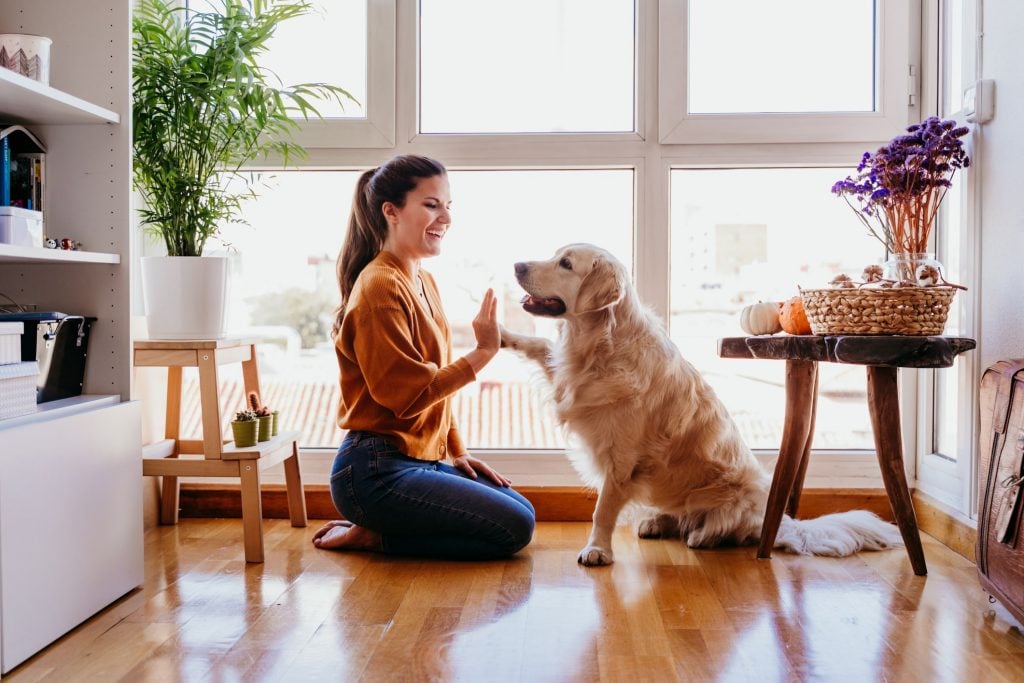
| Practice commands and rewards | Daily | Mental decline | Short training sessions strengthen your bond, keep your dog’s mind sharp, and gives them rewards to look forward to! |
| Hair brushing | Daily | Mats and poor coat health | Long-haired dogs need daily brushing to prevent tangles and mats. |
| Lift the lip and ears | Weekly | Dental disease and ear infections | Check your dog’s teeth, gums, and ears for signs like discoloration, swelling, or a bad smell. |
| Flea and tick check | Weekly, especially in warmer months | Parasites and skin irritation | Run your hands through your dog’s coat to feel for bumps. Check paws, ears, and the base of the tail. |
| Bath and ear cleaning | Every 1-2 weeks | Allergic skin disease | Bathe your dog as often as needed. Regular ear cleaning also helps prevent ear infection. |
| Visit new places | Every 1-2 weeks | Mental decline | Take your dog somewhere new for a walk, an errand, or a quick outing. |
| Nail trims | Every 2-4 weeks | Joint strain and posture issues | Overgrown nails can affect your dog’s gait, so trim regularly. |
| Flea, tick, and heartworm preventatives | Monthly | Flea and tick infestations, heartworm disease | Give your dog their preventative on the same day each month to stay consistent. Ask your vet which product fits your dog’s needs. |
When professionals can help
Building healthy habits takes time, and putting these habits into practice might need more skill or time than you have on a regular basis. Professional pet care services can fill those gaps and help you stay consistent, especially for breeds with higher-maintenance needs.
- Groomers: Some dogs have simple grooming needs, while others require more. For example, a Samoyed has a lot of fluff and needs a full groom every 6 to 8 weeks. Professional groomers have tools to make this process easier and faster.
- Dog walkers: Most dogs need 30 minutes to 2 hours of daily exercise, and high-energy breeds like Border Collies often need even more. A dog walker can help you maintain this routine on busy days, especially if your work schedule doesn’t allow for a midday walk.
- Doggy day care: Social, active breeds like Labrador Retrievers often thrive with the mental stimulation and playtime that doggy day care provides. Day care also gives dogs a structured way to burn energy and interact with other dogs.
- Vet techs: Veterinary technicians can help with routine tasks like nail trims, ear cleaning, and dental checks between full vet visits. They can also help you choose the most appropriate diet for your dog.
Regular Checkups
Vet visits round out your dog’s health routine. Most vets recommend a checkup at least once a year. Senior dogs often need visits twice a year.

During these visits, your vet can screen for preventable diseases and track your dog’s body condition score to determine if they’re at a healthy weight. Catching changes and issues early can give you more treatment options and a better outcome for your dog.
Keep an Eye on…
Dr. Trees suggests paying close attention to the following as your dog ages or their needs change.
- Signs of pain or slowing down: Slowing down isn’t normal aging. It’s often a sign of arthritis or pain, but it can also mask other health conditions. Watch for signs of pain, like limping or reluctance to move.
- Weight management: Keeping your dog’s weight within a healthy range for their size can lower their risk of arthritis and support a longer lifespan.
- Mental changes: Loss of mental sharpness doesn’t always mean cognitive decline. Pain and underlying illness can also cause dull, sluggish behavior. Treating the root cause often brings noticeable improvement.
- Coat care: Long-haired coats need consistent care. Regular brushing, haircuts, and baths keep your dog’s coat and skin healthy.
- Annual checkups: It’s important not to skip these, since they help your vet catch issues early. Senior dogs may also need annual lab work and routine X-rays.
As your dog ages, you may need to adjust your walking routine and avoid walks during extreme weather to keep them safe and comfortable.
For example, you might walk at a slower pace or at different times of day during extreme heat or cold. You can also swap outdoor walks for indoor play or enrichment activities when conditions outside aren’t ideal.