- Not a substitute for professional veterinary help.
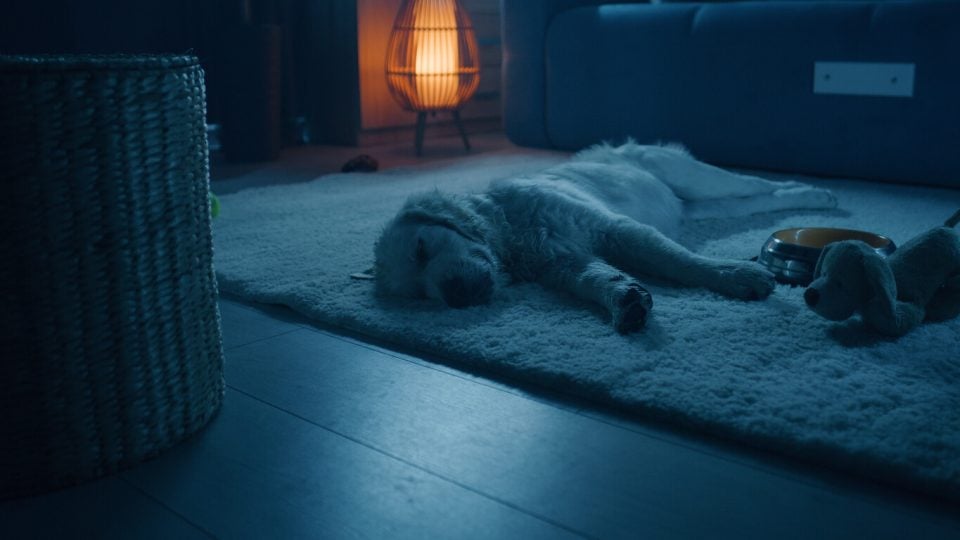
Some dogs can be left on their own overnight, but others can’t. Before you leave your dog alone for an entire night, it’s important to consider their age, health, bathroom needs, and level of comfort with alone time.

A healthy adult dog may be able to go six to eight hours without a bathroom break, according to Melissa Spooner-Raymond, a licensed veterinary technician at Fear Free. This doesn’t necessarily mean they’re comfortable staying completely alone for that long, however.
Puppies, senior dogs, and dogs with separation anxiety usually need overnight care. Hiring a sitter to stay and care for your dog while you’re away can provide them with company, routine, and a familiar presence so they feel more safe and secure without you.
Read on to learn about the risks of leaving your dog alone overnight, what to consider before leaving your dog alone, and a few pet care alternatives.
Risks of Leaving Your Dog Alone Overnight
Many risks of leaving your dog alone are the same no matter what time you leave them, but certain issues may be more likely overnight. What’s more, you might not notice these concerns as quickly as you would when leaving your dog for a few hours during the day.
Spooner-Raymond explains a few risks:
- Bladder limits: Upset stomach, increased water intake, medication, or stress can create a need for a bathroom break that your dog can’t predict, and they may not be able to wait all night to relieve themselves.
- Medical emergencies: If your dog gets injured, vomits uncontrollably, has a seizure, or eats something toxic or otherwise harmful, they could become very ill with no one there to take them to the vet immediately.
- Destructive behavior: Chewing or destroying doors, crates, and furniture often signals distress—and destructive behavior can pose a danger to your dog as well as damage to your home!
- Nighttime anxiety: Dogs often feel distress when left alone at night, especially if they’re used to settling near you. Signs of distress include pacing, panting, whining, or trouble settling down.
- Safety concerns: An empty house means no one’s there to respond to a fire alarm, break-in, or other emergency.
- Noise sensitivity: Storms, fireworks, and other unfamiliar sounds stand out more in a quiet house, especially around the holidays. Dogs who are particularly sensitive to sound may find these noises even more distressing when you’re not there.
Not every dog faces these risks. Age, health, temperament, and past experiences of being alone all play a role. Some dogs won’t mind being left alone for one night, especially in a dog-proof house with access to food, water, and the backyard.
If your dog usually sleeps through the night without trouble, Rover makes it easy to find local pet sitters who can drop by for an early morning or late night visit to make sure your pup has everything they need.

Dogs Who May Need Overnight Companionship
Each dog has individual needs, explains Ali Smith, a dog trainer at Rebarkable. You may want to consider an overnight sitter or other companion for dogs in any of these categories:
- Puppies: Not only do puppies need frequent bathroom breaks, they’re still learning how to stay on their own.
- Senior dogs: Older dogs often need more bathroom breaks, medication, help getting around, or extra monitoring.
- Dogs with separation anxiety: A dog with separation anxiety would likely benefit from overnight company. Dogs who get anxious around unfamiliar people, however, might find a stranger in the house more stressful than a night alone.
- Velcro dogs: Some dogs are just generally clingy. When deciding if your dog needs overnight care, it can help to consider if their attachment turns into real distress when you leave them alone.
- High-energy or noisy breeds: If your dog tends to become restless or bark during the night, they might need company. Dogs who generally settle down easily for the night may do just fine with drop-in visits in the evening and morning.
Better Alternatives for Your Dog
If you think your dog may not do so well overnight alone, you have a few options to consider.
Arrange supervision with a dog sitter
Rover sitters offer flexible scheduling, from overnight stays to drop-in visits in the evening and morning. You can usually book visits of 30 minutes or 60 minutes.
According to Smith, the quality of the visit matters more than the number of visits. A few meaningful visits, where your dog goes outside, moves around, eats, and gets some interaction, are better for your dog than more frequent rushed visits.
Hire a house sitter
Smith recommends keeping dogs in their own home whenever possible. House sitting allows your dog to stay in familiar territory with a sitter who comes to stay overnight. Familiar smells, routines, and surroundings are especially helpful for anxious, senior, or reactive dogs.
House sitting won’t necessarily give your dog 24/7 supervision, since your house sitter will most likely need to leave from time to time, depending on the length of their stay. If you need your house sitter to stay in your house at specific times, let them know your expectations before booking.
House siting is typically priced per night and is often cheaper than several drop-in visits.
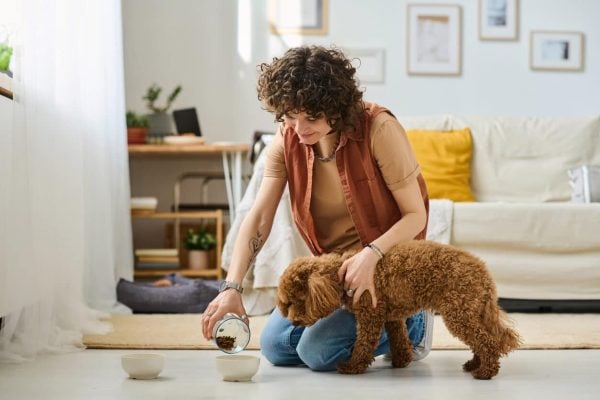
In-home boarding
If your dog does well in settings away from home, you might consider boarding at a sitter’s house instead of your own. This option can work well for social dogs who enjoy new environments and adjust easily to a change of scenery.
Boarding at a sitter’s home can be more affordable than other types of care—and it provides your dog with nearly full-time company and supervision!
There’s no single best option for every dog. The best choice for overnight care depends on your dog’s needs and how they do on their own. Whichever you choose, Rover makes it easy to find the right sitter!