- Not a substitute for professional veterinary help.
Japanese dogs come in several unique breeds, each with their own distinct background.
One thing that distinguishes Japanese dog breeds from other dogs is their long-standing cultural history, says Dr. Dwight Alleyne, DVM, a veterinarian with Better Pet.

In fact, Japan loves their dogs so much, they’ve dedicated six key breeds as “living national monuments“!
Japanese dog breeds have balanced personalities that fall between loyal and protective, but not clingy or dependent, Dr. Alleyne adds.
Below, discover 10 different types of Japanese dog breeds, where you can find them in the United States, and if any might be a good fit for your family.
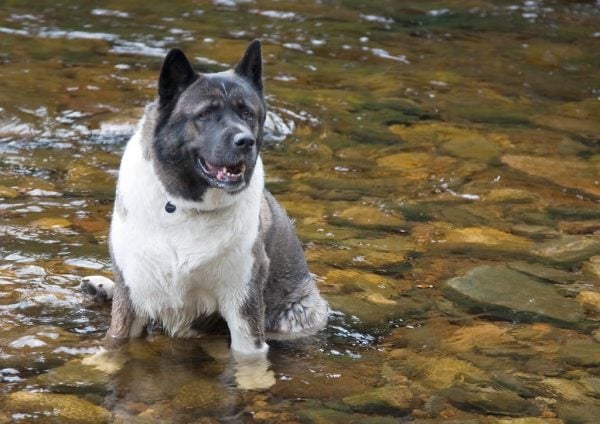
Akita
Akitas are tall, broad dogs originally bred to hunt bears in the mountains. The first recognized “national monument” breed, Akitas are renowned for their loyalty—which you may already know if you’ve ever heard of Hachiko!
Akitas come in two distinct sub-breeds: American Akitas and Japanese Akitas.
These two breeds have the same origin, but American Akitas have more coat colors than the Japanese variety, says Francee Hamblet, American Akita breeder of merit and owner of Minda Akitas.
All Akitas can be stubborn and wary of other dogs and strangers. So, they need an experienced pet parent to provide plenty of training and socialization.
Hokkaido
Another of the national monument dogs, the Hokkaido breed gets their name from Japan’s northern island.
These dogs were first bred nearly 8,000 years ago as bear and deer hunters by the island’s inhabitants, the Ainu people. In fact, their original name was “Ainu Ken” (Ainu dog).
Hokkaido dogs are rugged, loyal, and want to do everything with their people. But due to their hunting roots, they’re bold and don’t mix well with small animals. These dogs need committed training from experienced pet parents.
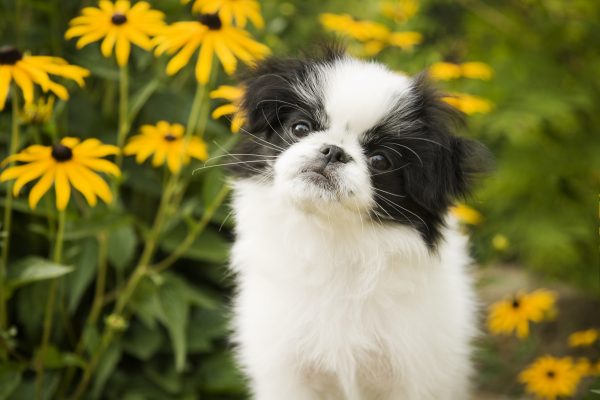
Japanese Chin
Unlike the name suggests, the Japanese Chin was originally bred in China. But they soon made their way to Japan, where they served as companions to the Japanese Imperial Family.
They later graced the rest of the world with their presence under the breed name “Japanese spaniel,” and the American Kennel Club (AKC) recognized them in the late 1880s.
These silky-coated dogs haven’t forgotten their regal origins. They’re refined, playful, and intelligent—traits that make them ideal companions for anyone looking for a toy breed to spoil!
Japanese Mastiff
The Japanese Mastiff, or Tosa-Inu, originated as a cross between the Shikoku and European dog breeds like the Mastiff and Old English Bulldog.
They were forced to fight other dogs and nearly went extinct after World War II. But lovers of the breed managed to revive them.
These dogs are large and bulky with short coats. They’re loyal to their families and usually wary of strangers and other dogs. They need an experienced pet parent prepared to socialize them and dedicate plenty of time to training early on.
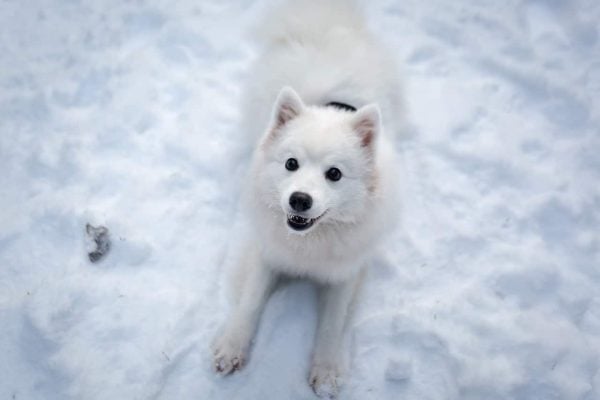
Japanese Spitz
Japanese Spitz dogs came from white German Spitz dogs brought to Japan in the 1920s. Their modern descendants are small dogs with fluffy white coats, curly tails, and outgoing personalities.
They love to go on adventures with their humans and can get along well with kids and other pets.
The American Kennel Club has yet to recognize this breed, and they remain rare in the United States, with only a handful of breeders certified by the Japanese Spitz Club of the USA.
Japanese Terrier
Japanese Terriers descended from native Japanese dogs crossed with European breeds, including smooth-coated Fox Terriers and Italian Greyhound. The resulting small dogs have a unique tricolor look, with black and tan heads and white bodies.
These dogs are relatively rare today, even in Japan. But if you can find one, they make intelligent and friendly companions.
Kai Ken
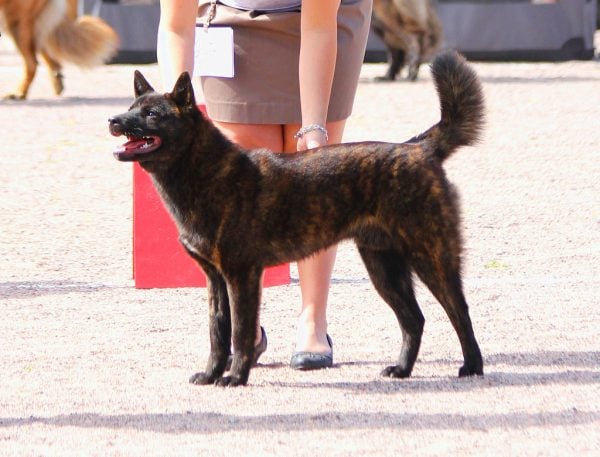
The Kai Ken, or Tora Inu, is a fairly modern Japanese breed. They were bred for their tiger-like brindle coats in the early 1930s. These sturdy, medium-sized dogs are sensitive and affectionate with their people.
The Kai Ken compete in the miscellaneous class of the AKC. But in Japan, they’re recognized as one of the living national monument dog breeds.
Kishu
The Kishu originated as Japanese boar-hunting dogs. Their modern descendants are energetic, bold, and outgoing—but they also love vegging out on the couch with their humans after a hard day at work or play!
These dogs are generally easy to train, but they can be cautious around strange dogs and need early and dedicated socialization training.
They were added to Japan’s national monument breed list in 1934, but the AKC has yet to recognize this breed. These dogs are relatively rare in the US.
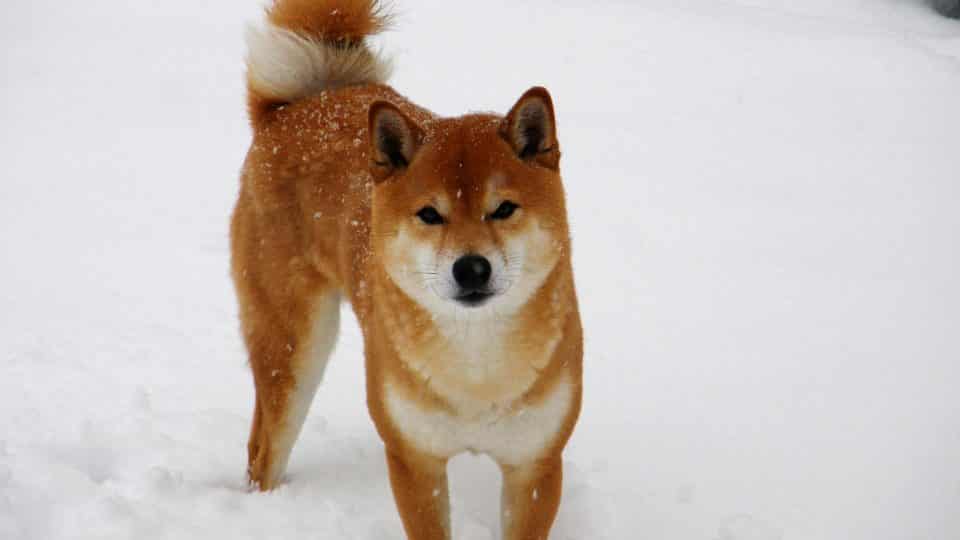
Shiba Inu
As the famous face behind the “doge” meme, the Shiba Inu, or Shiba, has become one of the most well-known dogs in the world.
First bred as early as 300 B.C. to hunt small game and birds, these dogs are smaller and lighter than other Japanese hunting breeds. They were recognized as a Japanese national monument breed in 1936 and first came to the US in the 1950s.
The Shiba has an aloof personality that some call cat-like. They’re very intelligent and can be stubborn, so training may present an early challenge, especially for first-time pet parents. Success will require persistence, patience, and plenty of positive reinforcement!
Shikoku
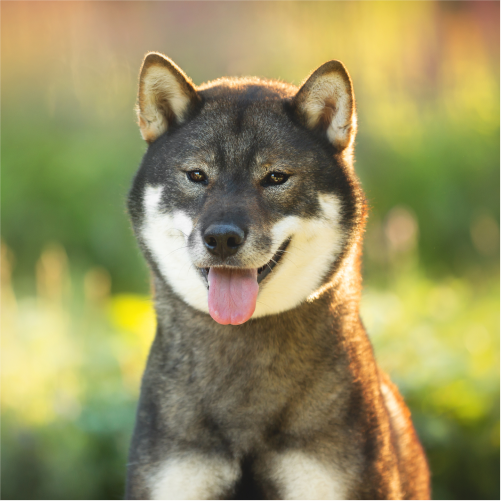
The Shikoku is also one of Japan’s national monument breeds. These dogs resemble a Husky mixed with a fox.
The ancestors of this breed hunted boars, and Shikoku are intelligent and courageous dogs who love to put their brains and bodies to work. Though very much in tune with their humans and easy to train, they can be reactive, which makes it even more important to start training early!
How To Adopt A Japanese Dog Breed
Some Japanese breeds may be easier to find in the US than others.
For example, it’s much easier to find breeds recognized by the AKC, like the Shiba and Akita. You’ll find AKC-certified breeders and American-run rescues listed on each breed club’s website:
Other breeds, like the Shikoku or Kai Ken, might be a bit tougher to find since fewer of these dogs (or breeders) live in the US. You can always check for dogs near you by visiting the US breed club’s website.
Keep in mind that reputable breeders should genetically test prospective parent dogs, provide a health guarantee for puppies, and be comfortable with you visiting the dogs or puppies at any time before you take them home.
As you search for your new best friend, don’t discount local shelters or rescues. You might just find a dog with a similar personality and appearance to a Japanese breed you like. For example, the Japanese Spitz shares its fluffy white coat, curly tail, and easygoing personality with other spitz breeds like the American Eskimo.
It never hurts to stop by your local shelter, since you may find a dog who suits your family’s lifestyle and needs your love just as much as one from a breeder!