- This post contains affiliate links. Read more here.
- Not a substitute for professional veterinary help.
Broken dog toenails are a common canine injury, especially for active, playful dogs. The good news is that while a broken nail can cause bleeding and discomfort, it doesn’t always require an emergency vet visit. Broken dog toenails can typically be treated at home, as long as they aren’t bleeding excessively and your dog isn’t in a lot of pain.
An emergency vet visit is a good idea, however, if:
- Bleeding lasts for more than 30 minutes
- There are additional injuries
- The break happens at the quick—the fleshy pink blood vessel at the center of the nail
- Your dog is in significant pain, which might indicate greater damage like a fractured toe
- You observe foul odor or discharge from the nail, which could mean infection
To learn more about treating your dog’s broken nail, we spoke with Dr. Taylor Stockdale, chief of ER at the Veterinary Referral Center of Central Oregon; Dr. Fleur Jones, an emergency veterinarian at Veterinary Emergency Group; and Rachel Hinder, Director of Claims and a Registered Veterinary Technician at Embrace Pet Insurance.
How To Treat Minor Nail Injuries
If your dog has broken a nail, the first thing you need to do is stop the bleeding. Here’s how.

Treating a broken dog toenail at home
- Restrain your dog. Since even the friendliest dogs can snap when they’re in pain, it’s important to restrain your dog and keep them calm. While you examine the injured paw, have someone hold your dog in a secure hug. You can also try distracting them with a treat-stuffed KONG toy or a long-lasting chew.
- Stop the bleeding with first aid. Dr. Stockdale says pressure and ice are vital to stopping bleeding at home. She advises gently applying a soft pressure wrap to the foot with an ice pack held in place for 15 minutes to stop the bleeding. Other first-aid supplies that can help stop nail bleeding are:
- Gauze. A clean cloth or sterile gauze can apply pressure until the bleeding stops.
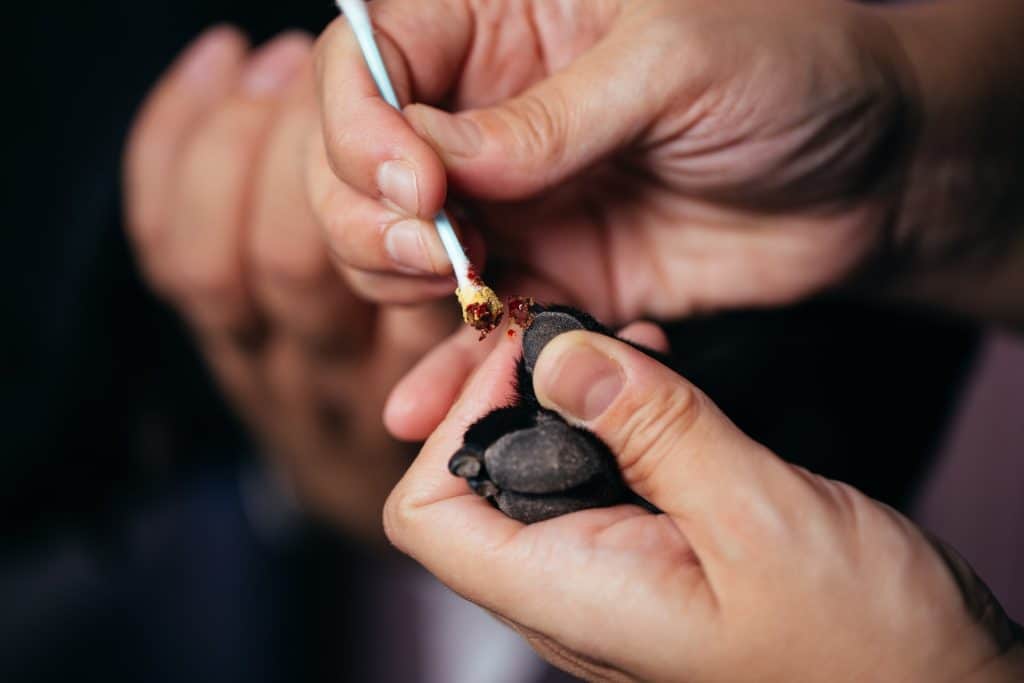
- Styptic powder or Kwik Stop. This can be applied directly to the bleeding nail to encourage clotting. Kwik Stop also contains benzocaine, a local anesthetic to control pain.
- Cornstarch or flour. If you don’t have styptic powder, place cornstarch or flour on a plate and hold your dog’s nail in it to stop the bleeding.
- Bandages. A clean sock or bandage will keep your dog from licking the wound, which can dislodge clots, restart bleeding, or introduce infection. Covering the injury also keeps blood from getting on your clothes or carpet.
- A cone or E-collar. Dr. Stockdale says a cone or E-collar should be used to prevent licking for 4-5 days following the injury.
- Remove the nail, if possible. “If the nail can be easily grasped with tweezers, a quick and gentle ‘tug’ can be used to remove the dangling nail,” Dr. Stockdale explains. However, if the nail doesn’t come off with this gentle maneuver, she advises pet parents to see their veterinarian for help with removal within 24 to 48 hours.
- Sooth pain and provide comfort. Once you’ve dealt with the broken nail and bandaged your pup, you can focus on keeping them as comfortable. Try to restrict your dog’s movement to avoid disrupting the clot and restarting the bleeding. Also, try to keep your dog’s nailbed clean and dry—a cone and bandage will help.
-

DuxX via iStock
How to treat an infected nail
Infected toenails aren’t always as obvious as a broken nail. Some signs include redness, puffiness around the nail bed, or hair loss caused by licking.
If you suspect your dog has an infected nail, it’s best to contact your veterinarian for evaluation, as it may require a prescription. Along with calling your vet, you can try soaking your dog’s paw in Epsom salts and warm water to help with swelling and redness.
How to fix a dewclaw (broken or ripped)
All dogs are born with dewclaws, also called a dog’s thumbs, on their front legs. Like toenails, sometimes they can suffer from breaks and tears. “Dewclaw breaks are sometimes treated differently from toenail breaks because they are not weight-bearing compared to the other toes,” says Hinder.
“Stopping the bleeding, keeping the area clean, and applying a bandage is similar; however, a vet may remove the dewclaw if it is causing recurrent discomfort to the dog.”
How a Vet Will Treat a Broken Dog Toenail
The specific treatments a vet will use for a broken nail will vary depending on the severity of the injury. Dr. Jones breaks down what to expect.
- They’ll trim or remove the damaged portion of the nail. Trimming the nail is a crucial step to prevent the accumulation of dirt or bacteria, which can lead to infection. It also keeps the nail from pressing painfully on the quick. Dr. Jones says vets will cut the nail at the base and then apply Kwik Stop to stop bleeding.
- They’ll clean the area. Your vet may clip the fur around the nail. They will also clean the injured area with an antiseptic solution to prevent infection.
- They’ll offer pain relief and/or sedation. “This can be very painful for pets, and sometimes we aren’t able to cut the nail without injections of pain medications or sedation in the hospital,” Dr. Jones says.
- They’ll give your dog a cone or E-collar. Your dog may be sent home with a cone to wear for a few days while the nail heals. This prevents them from licking and chewing their paws and causing an infection.
- They’ll prescribe medication if necessary. Dr. Jones says vets usually don’t need to send medications home unless they’re worried about continued pain or infection. Your vet may prescribe pain meds or oral antibiotics if infection is a concern. They will also give you instructions on keeping the wound clean and dry.
Generally, the cost of treating a broken nail will be $100 to $300. The total cost will depend on the severity of the injury and the medications required. The final price will be higher if sedation, X-rays, or follow-up visits are needed.
-
AJ_Watt via iStock

Risks of Broken, Cracked, or Injured Nails
Hinder says some of the most common ways nail injuries occur are:
- Running on hard surfaces
- Jumping
- Scratching
- Having excessively long, overgrown nails
- Walking on deep-piled carpeting
Broken nails aren’t usually the result of an underlying health condition—but if you’re seeing regular breaks, it can indicate a health problem, like a fungal infection or autoimmune disease. It’s a good idea to talk to your vet.
Prevention
To keep broken nails from becoming a regular occurrence, focus on the following:
- Feeding your dog a healthy diet. Poor nutrition can lead to brittle nails. Your veterinarian can offer guidance on choosing healthy commercial dog food. Additionally, you may be able to strengthen your dog’s nails with biotin supplements, fish oil, or bone broth.
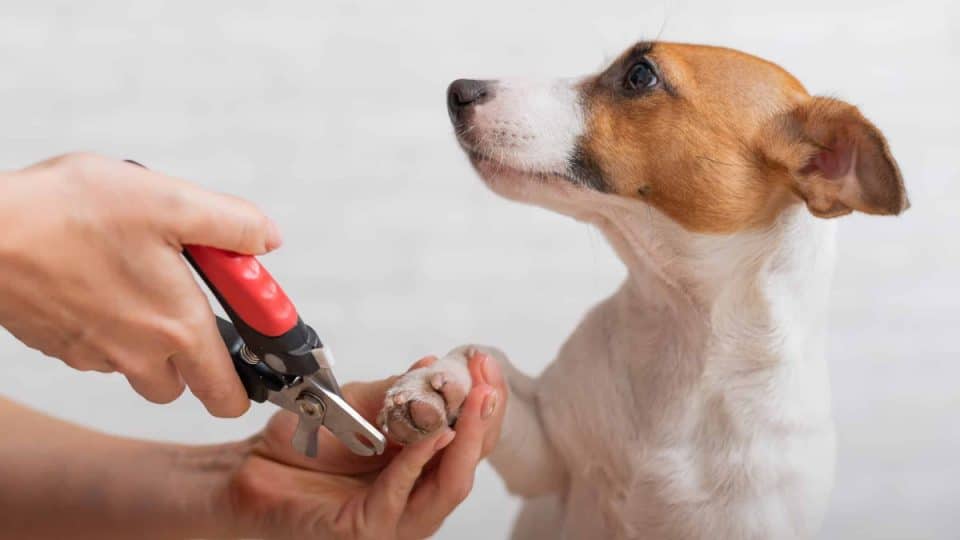
- Trimming nails regularly. Keeping nails short will lower their risk of getting snagged or broken. It also prevents the quick from becoming overgrown. Every dog’s nail trimming schedule will look different, depending on their activity level and rate of nail growth. But typically, nails will need a bi-weekly or monthly trim. If you need help, consider going to your vet or groomer.
- Moisturizing your dog’s paws. Combat cold weather and low humidity with a moisturizing salve like Musher’s Secret.