- Not a substitute for professional veterinary help.
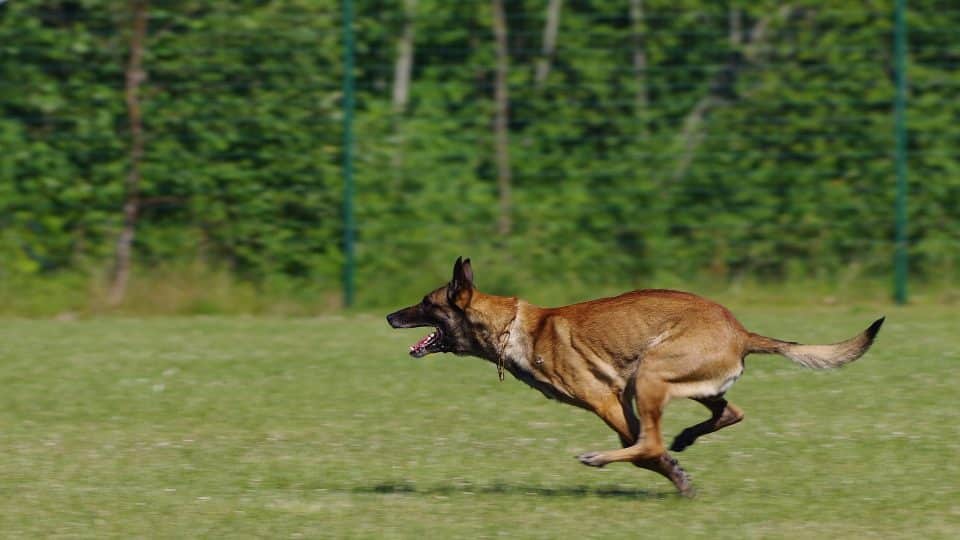
Training a Belgian Malinois takes dedication and a clear understanding of this breed’s needs and how to best meet them. This working breed needs structure and a job to thrive.

“The most important thing to understand about a Belgian Malinois is that they are always ‘on,’” says Tasha Mesina, Belgian Malinois breeder, handler, and owner of Element Belgians. “This is not a dog that turns it off at the end of the day—they are thinking, scanning, and looking for direction constantly.”
With a Belgian Malinois, training isn’t a session, it’s a lifestyle—every interaction with them is either reinforcing what you want or allowing something you don’t, Mesina says.
She adds that when training certain other breeds, like Golden Retrievers or Yorkies, the margin for mistakes is a lot wider and you can be inconsistent and still end up with a manageable dog. A Malinois, however, will expose every gap of your training. These dogs needs clarity, consistency, and fairness to learn their role, plus which behaviors earn rewards and which don’t.
Read on for expert tips on training your Belgian Malinois.
Key Behaviors and Activities to Train For
When it comes to important dog training skills, basic obedience cues like “sit,” “stay,” and “lie down” help any dog get off on the right paw.
It’s natural for work-oriented herding breeds like German Shepherds and Belgian Malinois to show instinctive behaviors that may be considered “bad” habits. It’s up to their pet parents to address certain behaviors early on and teach them correct ones.
According to Mesina, primary behaviors that Belgian Malinois need to learn include:
- Impulse control (leave it): Working on “leave it” and impulse control is critical. This is what turns a Malinois’ drive into something you can direct instead of constantly manage. It keeps their intensity usable instead of chaotic. Early crate training and teaching an off switch on a placemat or lifted platform can help a lot.
- Recall: A reliable recall is 100% necessary. Combine a Malinois’ high prey drive with quick decision-making, and you have a fully committed dog, which can be dangerous. Recall gives you freedom and allows you to expand your dog’s world.
- Socialization: Proper, structured socialization is an essential step for a Malinois to build neutrality and ignore most things. Otherwise, they may become overexcited and want to engage with everything.
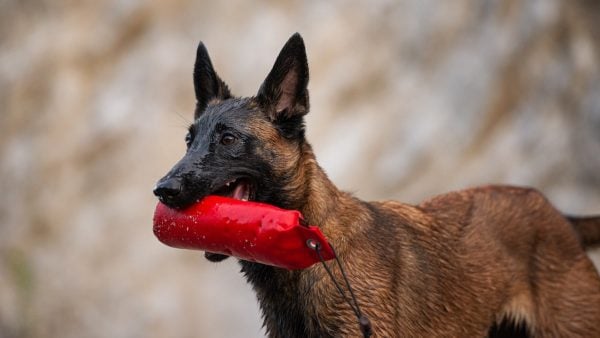
- Sport or job work: Some other breeds will calm down after they reach a certain age, but this doesn’t necessarily happen for Belgian Malinois. They get bored easily and have lots of energy, but mental games can help them tire out, Mesina says. Sport or job work gives them an outlet to use their energy and intelligence in a purposeful way.
Key Training Tips for a Belgian Malinois
A Belgian Malinois needs ample physical activity and mental enrichment. Because of this, the Belgian Malinois generally isn’t recommended for first-time pet parents or those who don’t have experience with high-drive dog breeds.
If their needs aren’t met, you might end up with a dog who’ll find their own job and entertainment that you may not necessarily approve of, says Tatiana Yastremski, certified canine behavior consultant, certified professional dog trainer, and shelter behavior manager at St. Hubert’s Animal Welfare Center.
Experts share some essential training tips to set your dog up for success:
- Motivation: Find what your dog values and use it with intention to build engagement. For most Malinois, that’s going to be toys or movement, Mesina says. Food typically isn’t enough to motivate them long-term.
- Mental enrichment: Begin introducing mentally stimulating activities in puppyhood by starting simple and increasing the level of difficulty gradually. For example, try scattering your puppy’s kibble on the floor or placing it in a cardboard box and letting them forage for it instead of feeding them from a bowl. No matter your pup’s age, you can use training, learning games, and interactive dog toys to keep them mentally sharp.
- Physical exercise: Activities like running, biking, and dog sports are just a few wag-worthy options most Malinois will enjoy. However, more exercise isn’t always better, since you can create an athlete who still can’t settle, Mesina explains, adding that it’s important to teach them how to “turn off” by balancing physical work with mental work and structured time.
- Routine and structure: Like any dog, a Belgian Malinois does best with a consistent routine and structure. Predictability builds confidence. Set your expectations early on, and make sure that every member of the family knows those expectations, Yastremski says. Plenty of opportunities to stay active and entertained will help keep your Malinois happy.
- Basic foundation: Group training classes, like puppy classes, obedience training, or dog sports, are crucial for a basic foundation. Spending 10–15 minutes practicing what you both learned in class can be a part of your daily mental enrichment activities, Yastremski says. Not to mention, it benefits both you and your pup!
- Bonding and trust building: These dogs are extremely loving and loyal dogs and cherish their people above all else. To strengthen your bond and build trust, actively do things with them, like spending time training, playing, or going on structured walks. “They don’t bond through passive time—they bond through shared work,” Mesina says.
- Overstimulation: If a Belgian Malinois is constantly amped up, Mesina says this means they need more training. In cases like these, it’s essential to watch for signs of escalation and step in early. The key is to build calm behaviors just as intentionally as you build drive.
- Positive reinforcement: Regardless of what you want to train your dog to do, it’s best to avoid harsh training methods and use positive reinforcement instead. Aversive treatment and increased stress in response to handlers are associated with signs of reactivity related to variations in the Malinois’ SLC6A3 gene, sometimes called the “rage gene.”
Above all else, train your dog with patience and love.
“No dog breed needs to be trained with a ‘heavy hand,’ Yastremski says. “Any dog can be successfully trained leveraging rewards-based training.” By consistently reinforcing and rewarding the behaviors you want from your Belgian Malinois, the more likely they’ll repeat those behaviors and shed the undesired ones.
Daily Exercise Routine for a Belgian Malinois
Yastremski shares how she would approach a daily routine with a Belgian Malinois:
| Puppy Routine | Adult Routine | |
| Morning |
|
|
| Afternoon |
|
|
| Evening |
|
|
When To Consult a Trainer
If your dog ignores basic commands, picks up unwanted or destructive habits, or has a hard time bonding with you, you may want to get help from a professional dog trainer or canine behavior consultant.
When looking for the right trainer for your Belgian Malinois, Yastremski highly recommends working with certified force-free, rewards-based trainers. To find local certified professionals, visit the Certification Council for Professional Dog Trainers or the International Association of Animal Behavior Consultants.
It’s best to make sure the trainer has experience working with Belgian Malinois or similar breeds. Additionally, Yastremski would personally opt for trainers who focus on training this breed like a pet in civilian lifestyle.
In your initial conversations with a trainer, Yastremski recommends sharing this helpful information:
- Notes about observed behaviors and experienced challenges. For example, when they started, how often you’re observing them, what you’ve done to correct them, and whether the behaviors have recently changed in frequency or intensity.
- Behavior history
- Any medical issues
The more information, the better! It’s always a good idea to share as many details as possible.
“Diagnosing a behavior issue takes some detective work and any piece of information, no matter how minor, could make a huge difference,” Yastremski says.