- Not a substitute for professional veterinary help.
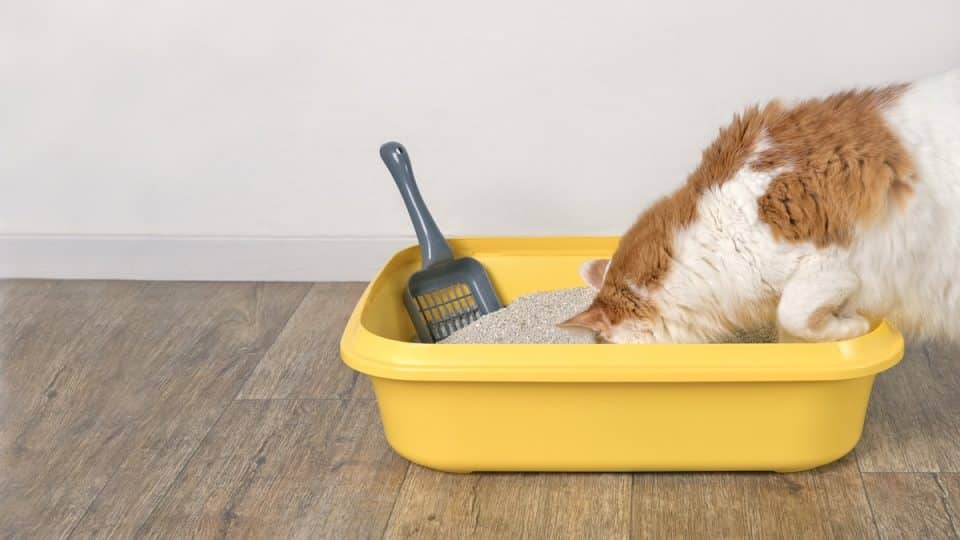
Cats do mysterious things. And sometimes that includes eating cat litter. But why? What’s the appeal?
Medical, behavioral, and environmental factors can all cause a cat to crave litter, explains Dr. Enio Sanmarti, the medical director of VEG Fort Lauderdale. For instance, gastrointestinal disease or nutritional deficiencies can cause a cat to eat litter, as can stress, anxiety, and boredom. Even changes in your cat’s routine can contribute to this unwanted behavior.

Read on to learn more about why your cat or kitten might resort to eating litter and steps you can take to stop it.
Reasons Why Your Cat Is Eating Litter
Your cat could be eating litter for reasons that have nothing to do with the smell or taste of it. Pica is a texture-based compulsion to eat, lick, or suck on non-food items, and is a fairly common condition among cats. Some cats lick plastic. Others fixate on fabric. And some are drawn, inexplicably, to litter.
Stress and boredom can cause pica, but so can medical conditions—which are the first things to rule out if your cat suddenly starts eating litter.
Medical
Pica is often a symptom of a more serious medical condition. That might be:
- Anemia. When cats are severely deficient in iron, they may seek out non-food items, like cat litter, in an instinctual attempt to replace missing nutrients and minerals.
- Dietary deficiencies. Similarly, when a cat isn’t eating a well-balanced diet and is lacking vital nutrients, they may search for other things to fill their stomach.
- Intestinal parasites. Worms and parasites deprive a cat of both blood and vital nutrients, causing them to be in a constant state of hunger. Cats may also eat litter in an attempt to dislodge worms from their gastrointestinal tract.
- Gastrointestinal disorders. Certain GI disorders, such as Inflammatory Bowel Disease (IBD), can impair the absorption of vitamins and minerals from food, leading to litter-eating pica.
Behavioral
Along with underlying medical issues, Dr. Sanmarti says that curious kittens and highly anxious cats are at a higher risk of eating litter. But any cat might try snacking on litter with the right behavioral incentives. Behavioral reasons a cat might eat litter include:
- Stress or anxiety. Any significant change to a cat’s routine, such as a move to a new home or the addition of a family pet, can leave them feeling unsettled or overwhelmed. This stress and anxiety can lead to self-soothing behaviors like litter-eating.
- Boredom. If a cat is lacking mental stimulation, they may turn to litter-eating to pass the time, especially if left alone for long periods.
- Curiosity. Curious kittens and younger cats often use their mouths to explore the world around them, which can lead them to eat litter.
Environmental
Specific things in your cat’s environment can also lead to cats and kittens eating their litter, such as:
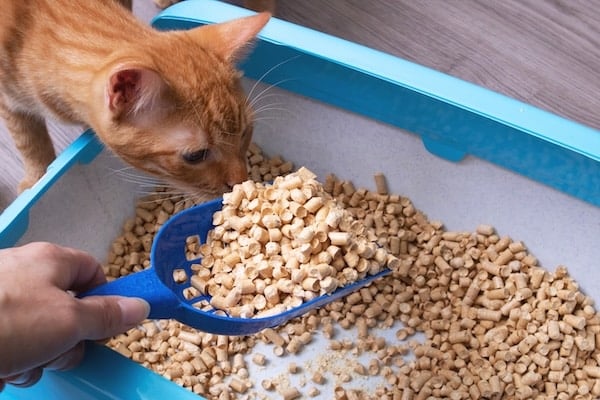
- Using biodegradable litters. Plant-based litters made from corn, wheat, walnut shells, or grass may have an enticing smell that would make a curious or hungry cat view them as a snack.
- Using scented additives. Similarly, litter additives with strong fruity or floral scents can confuse a cat’s sense of smell, leading them to explore and taste the litter to see what exactly it is.
Vera Aksionava via iStock
Is Cat Litter Toxic to Cats?
Whether your cat eats litter due to boredom or curiosity, your first concern is likely for your cat’s safety. Litter isn’t meant to be eaten, but some types of litter pose more danger than others.
Clay litter
Both clumping and non-clumping clay litters that contain sodium bentonite are the most dangerous for cats to consume. When ingested, the sodium bentonite can form a ball inside the intestines and cause a blockage, requiring immediate medical attention and possibly even surgery. Even non-clumping clay litter can irritate the digestive tract and cause symptoms such as constipation, vomiting, decreased appetite, and lethargy.
Silica crystals litter
Silica gel or crystal litters can also pose a risk if eaten. Even small amounts of crystal can cause irritation, GI upset, or a blockage. Additionally, crystals are highly absorbent, so a cat that ingests them may become dehydrated. If inhaled, silica dust can also cause significant respiratory issues.
Pine litter
Made from wood, pine litter may seem like a safer option, but it still poses a risk to cats. Pine trees naturally produce essential oils and a sticky substance called resin that help protect the tree, but can be toxic to cats.
If ingested, pine litter can cause vomiting, drooling, and abdominal pain, as well as irritation of a cat’s mouth and throat. Pine can also expand and cause a blockage when consumed in significant amounts by a cat.
Wheat and corn litter
Food-based litters, such as wheat or corn, don’t contain sodium bentonite and typically have fewer chemical additives. However, they can still cause blockages if a cat consumes more than a small amount.
Paper litter
Paper-based litter is the safest type of litter for a cat who may be tempted to eat it, says Dr. Sanmarti. Paper litter is non-toxic and doesn’t contain sodium bentonite, so it’s much safer if a cat swallows a small amount. Plus, cats are less likely to find its bland taste and non-existent odor as compelling as other litter types.
When To See a Vet
A cat that regularly eats litter should always be seen by a vet, but an emergency visit might be warranted if your cat is vomiting, lethargic, straining to eliminate, or not eating food.
“If there’s any concern about a blockage or toxin exposure, the cat should be treated urgently,” says Dr. Sanmarti. “If the cat is acting normal, eating well, and stools are normal, this can be addressed with your primary care veterinarian.”
How To Stop a Cat from Eating Litter
As mentioned above, seeing a vet is the first step in identifying the root cause and managing the behavior. If your cat is eating litter for a medical or psychological reason, your vet can advise you on which medication, diet, and lifestyle changes may help resolve your cat or kitten’s litter eating habits.
After ruling out medical causes, Dr. Sanmarti recommends:
- Switching to a safer litter. Using a safer, paper-based litter may stop the compulsion. But more importantly, it can help decrease the risk of complications from eating litter.
- Using a non-scented litter. If you think your cat is enticed by the smell of the litter, switch to a type that isn’t “food-based.”
- Adding more daily enrichment. Increase mental and physical stimulation with toys, food puzzles, and clicker training to help combat boredom-induced litter-eating.
- Managing stress. Reducing triggers and creating a calming environment at home can help reduce stress-induced pica.
- Utilizing a drop-in pet sitter. A pet sitter can help reduce stress (for both you and your cat) by maintaining your cat’s routine, monitoring their behavior, and keeping you updated while you’re away.
Whether your cat is eating litter out of boredom or due to a serious medical condition, taking steps to ensure your cat has plenty of stimulation, low stress levels, and the veterinary care they need will help them break this unsavory habit for good.