- This post contains affiliate links. Read more here.
- Not a substitute for professional veterinary help.
Daily walks aren’t just exercise for your dog—they’re key to keeping them happy and healthy. But it’s not always easy to give your pup the activity they need. Whether you’re working late, caring for family, managing mobility concerns, or simply don’t have the time and energy, a dog walker can help.

The question is, how do you find someone you trust enough to take care of your furry best friend? Finding reliable and trustworthy dog walkers isn’t easy—but it’s worth the effort.
“The right dog walker can truly upgrade your dog’s routine, give you peace of mind, and keep everyone safe,” says Alexandra Bassett, a certified dog trainer, behavior consultant, and owner of DogSavvy. In this guide, we explore how to find a safe, competent, loving dog walking professional who will treat your pup like their own.
How To Find a Good Dog Walker
Dog walkers can be found in a variety of ways: through word of mouth, a quick online search, or pet care apps like Rover.
Many dog parents swear by personal recommendations, especially when they come from friends, neighbors, or fellow dog parents whose judgment you trust. Don’t hesitate to ask around about who they use for dog walking and why they’d recommend them. You can also check with your vet, groomer, or dog trainer, who may be able to offer customized recommendations based on their contacts and your dog’s particular needs.
Platforms like Rover can also help you find reliable and trustworthy dog walkers in your area, letting you browse profiles, read reviews, and even schedule a meet and greet to see how they get along with your pup.
Qualifications, Licensing, and Background Checks
The best dog walkers come with more than just treats; they’re prepared, highly skilled, and deeply knowledgeable about dog behavior. A true pro knows how to read canine body language, is ready for any emergency, and uses basic training techniques to make every walk safe, productive, and enjoyable. Here are some good things for dog walkers to have under their belt.
First aid & CPR
While you hope nothing ever goes wrong on a walk, accidents and emergencies can happen. A skilled dog walker may be trained in pet first aid and CPR so they can act quickly and confidently if your pup needs help. Organizations like PetTech and the American Red Cross offer courses and certifications to ensure that dog walkers know how to prevent and handle walking injuries, heatstroke, and other urgent situations.
Professional certifications & training
In addition to being first-aid certified, many of the best dog walkers pursue certifications in dog walking, sitting, and training. These certification courses provide valuable knowledge about dog behavior, training, and handling techniques, and best practices to keep your dog safe.
Some of the most common dog walking certifications to look for include:
- Certified Pet Expert: CPS-DW Certification for Sitters and Dog Walkers
- Pet Sitters International: Certification for Professional Pet Sitters
- National Association of Professional Pet Sitters: Pet Sitter Certification Course
- Fear Free Pet Sitter Certification Program
Dog walker insurance
Just like insurance for your home or business, dog walker insurance is specially created to protect and support dog walkers in an emergency, whether it’s an unexpected trip to the vet, a damaged fence, or even lost house keys. Many dog walker insurance policies cover injuries, property damage, and accidental lockouts, ensuring that problems are covered without asking them (or you) to pay out of pocket.
Background checks
When you hire a dog walker, you’re not only entrusting them with the care of your dog, but also your home. It’s completely reasonable—and smart—to request a background check. A background check will surface any red flags, such as a criminal record, history of theft, or any other issues that could affect your trust and comfort level. Most professional dog walkers have a background check ready to share or are happy to provide the information you need to run your own screening.
Primorac91 via iStock
Philosophy and Capabilities
While credentials and insurance are important, it’s just as key to choose the dog walker whose personality, walking style, and approach are well-suited to your unique pup. Here are some things to look for that go beyond the basics to help you find trustworthy walkers who are a good fit for your dog.
Confirm shared philosophy
There are many different methodologies and philosophies for dog handling, and it’s important to choose a dog walker who will treat your pup the way you want them to be treated. As a positive reinforcement trainer, Bassett always ensures that her dog walkers use gentle, reward-based techniques.
“If your dog barks or pulls, building space between them and the trigger generally works better than any harsh approach, like jerking on a choke chain,” she explains. “Many dogs can’t just walk calmly down a crowded sidewalk, so it’s crucial to have a walker who’s prepared to prevent unwanted encounters.”
When checking a potential dog walker’s profile, look for language, descriptions, and experience that reflect they operate using humane-based philosophies who are aligned with yours.
Ensure they can handle your dog’s needs
Every dog has unique personality traits, whether they’re excitable or tend to stop and sniff every single mailbox they pass. It’s important to choose a dog walker who is confident, skilled, and flexible enough to match their approach and pace.
“They should be ready to handle your dog’s unique personality and any quirks,” says Bassett.
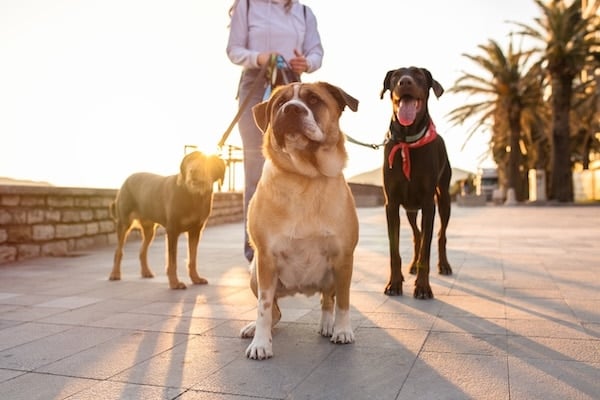
You’ll also want to ask about whether the walker typically takes one dog at a time, or if they go for group outings; depending on your pup, one might be better than the other. You might even consider if your dog would benefit more from a drop-in visit and a game of fetch than a walk.
Strelciuc Dumitru via iStock
Reviews and Red Flags
Once you’ve found a promising dog walker candidate, don’t skip the final step: looking through reviews and watching for red flags. Take the time to really look for honest feedback about their reliability, communication, and care. Here are some tips for what to look for in reviews to find a good dog walker for your pup.
Look for specificity and detail
A lot of five-star reviews are nice, but to find a good fit for your pup, you need to know why—in full paragraph detail. “Don’t just skim the 5-stars,” says Ben Doyle, dog lover and founder of the UK pet care brand Dirty Bertie. “Dig into why they rated them so highly.”
Were they reliable? Trustworthy? Skilled in handling specific situations? These detailed reviews will give you deeper insight into whether the walker is a good fit for your dog.
Expand your scope to include reviews for low and mid-range ratings, too, as they can help provide a more complete picture of the walker’s abilities and experience.
Scan for experience with dogs like yours
Consider your pup’s particular needs, whether that’s someone experienced with puppies still learning their leash manners or skilled in working with dogs with specific health concerns. Then target the reviews that mention similar situations.
“When reading reviews, control+f or command+f on your keyboard is your best friend,” Doyle advises. This quick search function lets you jump straight to keywords—like “puppy” or “reactive”—that match your dog’s specific needs.
Review how a dog walker problem solves
Even the most well-prepared dog walker will run into occasional problems on their walks. Accidents and emergencies do happen, and a dog walker can’t control every variable around them. The key is thoughtfully avoiding problems when possible—and responding appropriately when necessary.
Look for reviews that mention issues that arose during a walk, such as sudden health incidents, paw sensitivities, injuries, problems with other dogs and people, unexpected weather, or even a dog having a bad day. Consider the rating given, the description of how the situation was handled, and whether you’re comfortable with both the solution and the outcome of the incident.
Check for red flags
As you’re reading through dog walker reviews, here are some red flags to look for:
- Use of force or violence
- Frequent injuries or overexertion
- Tardiness or missing appointments
- Lack of communication
- Defensive responses to negative reviews
- Coming for a walk in inappropriate clothing or footwear
Meet & Greets and Trial Runs
Reviews are incredibly helpful in finding the right dog walker for your pup, but they only tell part of the story. It’s just as important to meet a potential dog walker before booking them.
Meet and greets allow you (and your dog) to connect with a potential dog walker in person. You can see how they act around your pet, how your dog responds, and how well-prepared and confident they are—all before you hand them a key to your house.
“Observing them in action with your dog—whether it’s a quick walk around the block or a chat in the building lobby—lets you see if they can read your dog’s cues,” says Bassett. “Right away, you’ll get a sense of whether your dog feels comfortable around them and vice versa.”
Meet and greets also give you a chance to ask any lingering questions, like how you can make sure your home and dog are prepped—ensuring that you have all the information you need to feel comfortable and confident in sending your dog out into the world in their care.
Putting in the work of finding a reliable dog walker for your pup is well worth the effort. As Bassett says, when the right person is on the other end of the leash, your dog gets to enjoy safe, happy, and enriching walks—and you get to enjoy the peace of mind of knowing they’re in good hands.
Ready to start looking? Filter for your specific needs when you search for dog walkers on Rover.