
- This post contains affiliate links. Read more here.
- Not a substitute for professional veterinary help.
Pet parents, your diet and supplements probably include the amino acid taurine to support your ocular, brain, and heart health—among other vital functions. Taurine is an essential nutrient for your dog, too. But if they’re already getting a well-balanced regular diet, are taurine supplements necessary? Read on to learn about taurine supplements for dogs, and be sure to check with your veterinarian before introducing any new supplements to your dog’s diet.
Do Dogs Need Taurine Supplements?
- Your dog needs vitamins and organic compounds for balanced nutrition and normal growth. Taurine plays an important role in your dog’s body composition and contributes to proper eye, heart, bile, intestinal tract, muscle, and organ function. Taurine can be produced by the body through the consumption and synthesis of the sulfur-containing amino acids methionine and cystine.
- However, some dogs struggle to produce, or adequately metabolize, taurine and suffer deficiencies. In those cases, it must be added to their diets. (Fun fact: cats are not able to produce taurine at all and can only get taurine through their diet). The highest taurine-producing foods include meats, seafood, and eggs.
According to Dr. Gary Richter, award-winning vet and member of Rover’s Dog People Panel, “All dogs are of the species Canis familiaris and as such have very similar nutritional needs.” Commercial dog food is specifically formulated to meet those needs. If your dog’s food is labeled “complete and balanced,” it contains all the vitamins, minerals, and organic compounds your dog requires.

So, generally speaking, a well-balanced diet that includes a good-quality dog food is going to cover your dog’s taurine needs through those sulfur-containing amino acids. But there are some exceptions, which we’ll explore next.
When to Give Your Dog Taurine Supplements
Dogs with specific health and wellness concerns may benefit from taurine supplements. Dilated cardiomyopathy (DCM), in particular, can be a result of taurine deficiency. A disease affecting the heart that weakens the ability of the ventricles to pump, the symptoms of DCM include weakness, breathing issues, coughing, and, in some cases, a distended abdomen. Newfoundlands and Cocker Spaniels especially appear to have a genetic predisposition that affects their ability to metabolize taurine, though it can affect dogs of any breed.
Another consideration is whether your dog consumes a homemade, whole food diet (highly recommended by Richter). If so, you may not have access to the specific vitamins and minerals your pet needs. That’s where supplements, such as taurine, for dogs can also come in handy.
“It is a good idea to consult with a veterinarian regarding any questions about nutrition,” Richter notes. This is especially important when feeding your dog a homemade diet. Your vet may even refer you to a veterinary nutritionist to determine the best course of vitamins for your dog.
How to Choose Taurine Supplements for Dogs
- As noted, you should always talk to your veterinarian about what, if any, supplements your pet needs. In general, be aware that ingredients in some herbal supplements can interact with medication, which is why it’s important to tell your veterinarian about all of your dog’s medications and supplements before introducing taurine. It’s also vital to keep close tabs on dosage.
Richter has some general guidelines on choosing supplements for dogs:
- Look for brands that have commissioned clinical studies of their products.
- Read labels carefully to ensure quality and safety.
- Look for a lot number on the product. This is a sign that the company uses quality control checks.
- Choose brands with confirmed expertise.
- Be wary of claims that sound too good to be true. Vitamin supplements are just that—supplements. They are not cure-alls or medications.
- Do not give human supplements to dogs, as they may contain ingredients that are harmful to dogs.
- In general, the best options will be available through your veterinarian.
The bottom line about taurine supplements for dogs: Talk to your vet first before introducing any nutritional supplement into your pet’s diet.
Taurine Supplements for Dogs
To address a health condition, see your veterinarian for prescription taurine supplements that can help. The over-the-counter supplements we list below contain taurine, but are primarily for prevention and maintenance.
NaturVet Cardiovascular Support Taurine Chewable Tablets

Made to support heart function and coronary circulation, these chewable tablets contain taurine as well as other heart helpers such as L-carnitine, magnesium, hawthorn, and antioxidants. It’s also made in the USA.
Shop on ChewyHerbsmith Taurine Boost
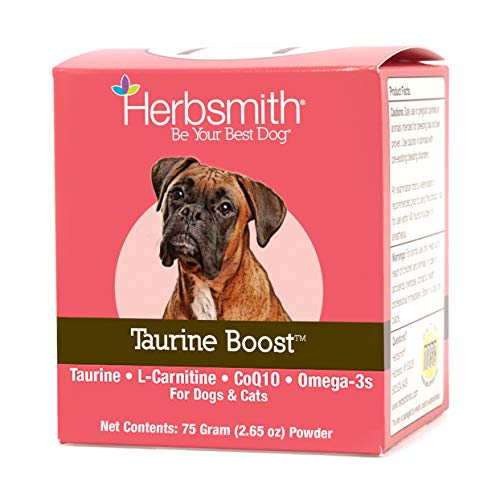
Give ’em a boost with this powder that combines taurine with other ingredients that support cardiac health, such as L-carnitine, CoQ10, and omega-3s. It’s flavored with krill to help the medicine go down.
Find on AmazonVetriScience Cardio-Strength Capsules
If your dog has a predisposition for cardiac issues or is getting up there in age, these tablets could be a good choice. This veterinarian-approved supplement contains taurine and 10 additional ingredients to support the heart, including L-carnitine, CoQ10, potassium, and fatty acids.
Shop on ChewyNutrition Strength Taurine for Dogs
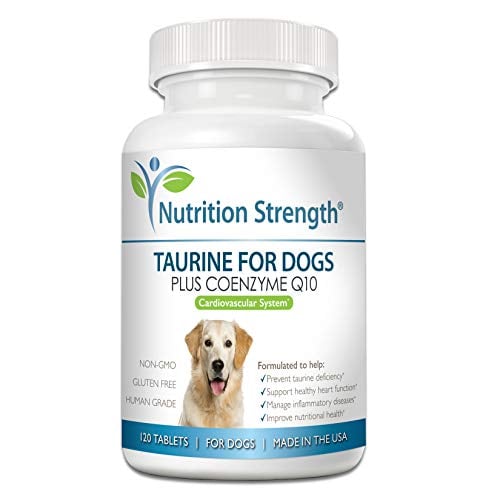
Made in the USA, these tablets combine taurine with CoQ10 to help promote a healthy ticker. They’re non-GMO and gluten-free to boot!
Find on AmazonDr. Oscar Taurine Supplement for Dogs

Tastes like chicken for your dog’s picky palate. Free of gluten, wheat, and soy, this taurine and L-carnitine supplement is made in the USA.
Find on AmazonAs always, check with your veterinarian before introducing any new supplements to your dog’s diet.
Further Reading
- How to Give Pills to Your Pet
- All About Vitamin Supplements for Dogs and When to Use Them
- 9 Surprisingly Dangerous Foods for Dogs (Starting with Popcorn)
- Your Complete Guide to Homemade Dog Food
- Decoding Dog Food: Your Guide to What You’re Really Feeding Your Pet
- Got Allergies? Exploring Hypoallergenic Dog Food
Featured image by Gordon Johnson/Pixabay