- Not a substitute for professional veterinary help.
Dogs who have a strong bond with their people tend to feel more secure and understood. As you work to understand your dog’s emotions and what they need from you, your bond will grow.

“Bonding with your dog can take days, weeks, or months,” says Nicole Kohanski, Human-Animal Bond certified by the American Veterinary Medical Association and certified dog behaviorist, trainer, and founder of Wiggle Butt Academy.
Every dog has a unique bonding curve. Puppies often warm up within a few days, while adult dogs may take a few weeks. Rescue dogs and shy dogs usually need more patience—but focused, consistent time together helps build trust!
In this guide, we’ll cover routine, play, training, body language, enrichment, grooming, and realistic timelines so you know what to expect.
Did you know? A professional trainer can help take the stress out of raising a dog, so you can focus on building your relationship. Reach out to a local dog trainer for ongoing support and guidance.
Establish a Consistent Routine for Safety and Trust
Kohanski explains that dogs feel calmer and more trusting when they know what’s coming next.
Clear rules and a consistent routine signal that their environment is safe and they can depend on you. This is especially important for rescue dogs and shy dogs who need predictability to decompress and build trust.
A simple daily routine
Here’s an example of a consistent daily routine:
- Morning: Walk or outdoor time, breakfast
- Midday: Short training session or enrichment activity
- Afternoon: Rest, calm interaction
- Evening: Play session, dinner, wind-down time
Use Rewards To Build Cooperation and Confidence
Reward-based training creates a communication system between you and your dog. When your dog does something you like, you mark it and reward it. This teaches them which behaviors earn good things.
Kohanski explains that rewards help dogs associate you with a positive experience, making them feel safe and happy.
Here’s a simple positive reinforcement flow:
- Ask for or notice a positive behavior
- Mark it immediately (with a word like “yes!” or a clicker)
- Reward within a few seconds
The three main reward types include:
- Treats: These are great for teaching new behaviors and building trust. For shy or fearful dogs, gently toss treats from a distance so they can approach on their own terms.
- Toys: These are best for high-energy dogs or as a reward during play-based training.
- Verbal praise and calm tone: This works well for dogs who are already comfortable with you. Dogs respond positively to upbeat tones rather than stern ones.
Be sure to avoid aversive techniques like yelling or spraying water, since these can increase fear and make bonding difficult.
Spend Quality Time Together Through Play and Exercise
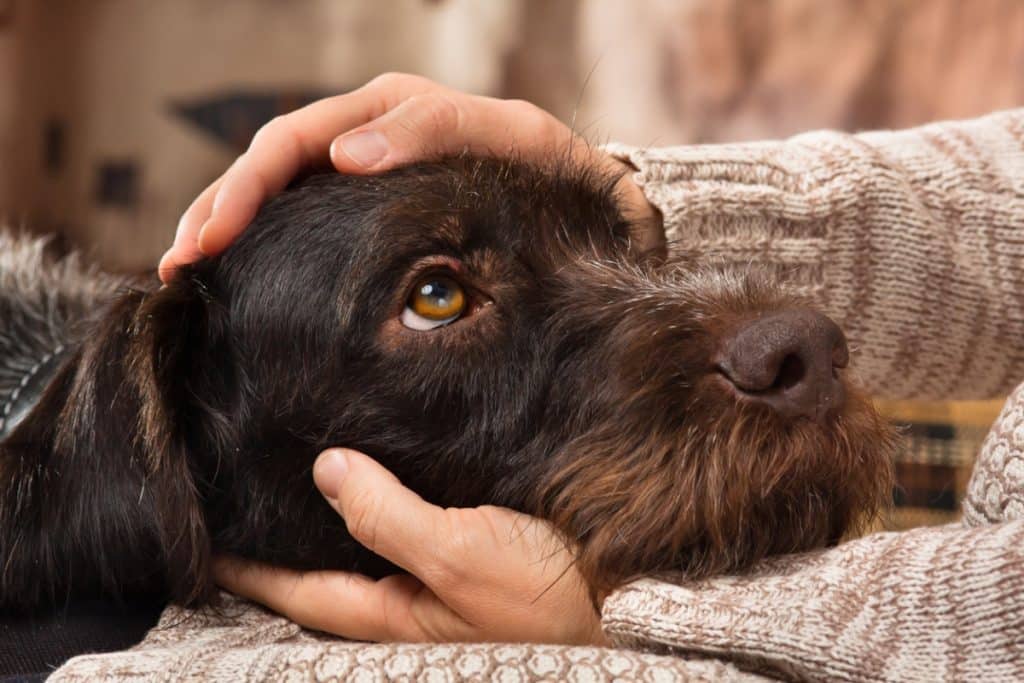
Be intentional about active quality time with your dog instead of just passively sharing the same space. Just 30 minutes of interactive time daily can reduce problem behaviors and strengthen your connection. Adding even 5–10 minutes of interactive play each day can improve bonding in as little as four weeks.
Also, dogs respond more to movement than to voice, so your body language matters during time together. For example, try turning towards them or getting on their level.
Consider these bonding activities:
- Physical games: Fetch, tug of war, chase
- Mental games: Hide-and-seek, the 1-2-3 focus game, trick training
- Outdoor activities: New walking routes, sniff walks, hiking
Learn and Respect Your Dog’s Body Language
Dog body language is a combination of posture, tail and ear position, facial expressions, and vocalizations.
Kohanski says learning these cues can strengthen your bond by helping you understand your dog and their needs.
| Signal | Relaxed and comfortable | Stressed or afraid |
| Posture | Loose, wiggly body | Stiff, crouched, or cowering |
| Tail | Relaxed wag or neutral position | Tucked, rigid, or slow low wag |
| Ears | Soft, natural position | Pinned back or stiffly forward |
| Face | Soft eyes, relaxed mouth | Whale eye (whites showing), tight lips |
| Vocalizations | Playful barks, soft sounds | Whining, growling, excessive barking |
Once you can read these signals, you can start letting your dog lead. Let them choose when to engage rather than forcing interaction. This consent-based approach builds trust over time.
Mutual gazing is another incredible way to connect. Soft, relaxed eye contact between dogs and their owners triggers a release of oxytocin—the same bonding hormone released during human connection. A gentle gaze, a slow blink, or simply turning toward your dog are great ways to tell them you love them.
Introduce New Enrichment Activities to Your Dog
According to Kohanski, canine enrichment means setting up your dog’s environment with opportunities to sniff, forage, dig, and play.
Enrichment should tap into both mental and physical activity and engage at least one of your dog’s senses. As you consistently provide these positive experiences, your dog will begin to see you as a source of good things, strengthening your bond.
Fun enrichment ideas to try:
- Puzzle feeders: Let your dog work for their meal instead of eating from a bowl.
- Foraging and scent games: Hide treats around the house or yard for them to sniff out.
- New walking routes: A different path means new smells and mental stimulation.
- Toy rotation: Swapping toys in and out keeps things feeling novel.
Incorporate Gentle Grooming and Affection
Positive physical interactions like cuddling or petting raise oxytocin levels in both dogs and their people.
Use touch consent tests to determine what your dog enjoys, recommends Allie Bender, founder, behavior consultant, and trainer at Pet Harmony.
Pet them for a few seconds, then stop. If they lean in or nudge you for more, that’s a green light. If they move away or show stress signals, respect that and try a different location or type of touch.
Things to explore:
- Brushing: This is calming for many dogs, so it can become a natural daily ritual.
- Gentle massage: This works especially well on the ears, shoulders, and base of the tail.
- Calm petting: Even a few quiet minutes of contact goes a long way.
Let Them Sleep in Your Bed or Couch
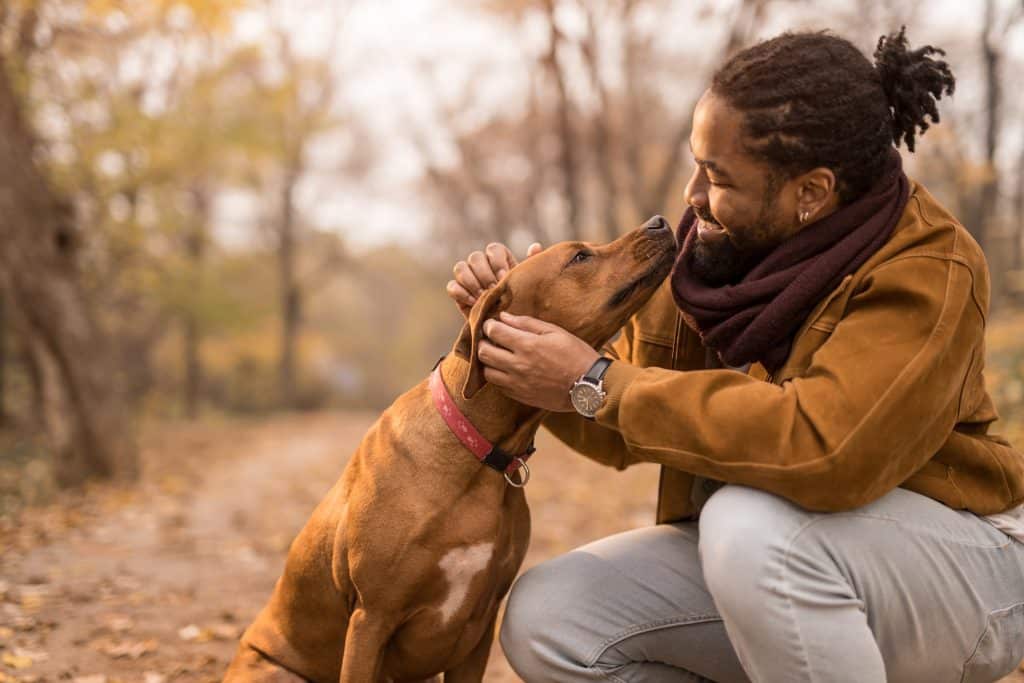
Co-sleeping isn’t required for a close bond, but many dog parents find that sharing their bed provides comfort and a stronger attachment with their dog.
If you prefer to keep your dog off your bed, Bender suggests other ways to allow your dog on furniture. For instance, you may let them on some pieces of furniture but not others or invite them onto the bed only at certain times.
In Bender’s experience, the bond isn’t negatively impacted if dogs can’t get on the furniture at all, as long as they have a comfortable alternative. Many dogs are also happy resting on your feet or snuggling with you on the floor.
Be Their Advocate
Being your dog’s advocate means stepping in when they need you to keep them safe, comfortable, or healthy. For example, if your dog is licking their lips during an overwhelming situation, calmly remove them so they can decompress. Or if you notice something unusual with their health, you can advocate for them by consulting their vet.
Kohanski explains that noticing signs of distress and acting on them builds trust with your dog. This shows them you’re paying attention and will look out for them.
Respect Your Dog’s Choices
Dogs communicate their preferences all the time, so it’s important to notice and respond accordingly.
Say it’s time for a walk, and your dog sits down or pulls toward home earlier than usual. They might be telling you they’re tired, overwhelmed, or simply not interested in walking anymore. Rather than forcing them to continue walking, consider returning home.
Giving your dog this kind of agency reduces stress and builds confidence. A dog who knows their choices are respected will likely feel more secure.
Be Patient and Allow Bonds To Grow Over Time
Kohanski says bonding with your dog can take days, weeks, or months, depending on their age and history. Puppies often attach quickly, potentially within minutes, especially when play and food are involved. For rescues or dogs with a history of fear or abuse, it can take several months of patience and consistency to build trust.
A helpful framework for rescue dogs is the 3-3-3 rule:
- First 3 days: Your dog may seem shut down, scared, or overwhelmed. Keep things calm, give space, and start a routine.
- First 3 weeks: They begin to settle and show more personality. This is a good time to start basic training.
- First 3 months: Trust develops, habits form, and the bond grows.
You can tell your bond is growing when your dog:
- Seeks you out and stays close
- Makes eye contact more often
- Leans in or snuggles up
- Engages readily in play
- Looks to you in unfamiliar situations
If your dog shows persistent fear, aggression, or regression after several months of trying to bond, reach out to a certified positive reinforcement trainer or veterinary behaviorist for support.

FAQs About Bonding with Your Dog
How long does it take to bond with a new dog?
The time it takes to bond depends on your dog. Puppies can bond within days, while adult dogs may take a few weeks. Rescue dogs or those with difficult histories may need up to three months or longer.
How do I say “I love you” in dog language?
Soft eye contact, a slow blink, a calm tone, turning your body toward them, and letting them approach on their own terms all communicate love and affection in ways your dog understands.
How does the 3-3-3 rule apply to my relationship with my dog?
The 3-3-3 rule is a guide to help rescue dogs adjust and start bonding. The first three days are for decompression, the first three weeks are about settling in, and the first three months are when trust and routine are built.
How do you tell if you are bonded with your dog?
Look for signs like your dog seeking you out, making eye contact, leaning into you, engaging in play, and checking in with you in new situations.
How can I show my dog love without causing separation anxiety?
Build independence into your routine by giving your dog enrichment activities they can do on their own, like puzzle feeders or chew toys. Practice short separations and minimize drama with arrivals and departures.
If you’re away for long stretches, consider hiring a dog walker or sitter.