- Not a substitute for professional veterinary help.
Your cat’s anal glands probably aren’t a favorite topic of conversation. Still, if you’re a cat parent, it’s important to learn how to tell if your cat needs their anal glands expressed.
A cat’s anal glands are two small sacs located on either side of their anus, containing an oily, pungent liquid that cats use to mark their territory. Anal glands are naturally expressed when a cat poops—but if your cat’s stool is often soft, their anal glands can become clogged.

When that happens, the anal sacs require manual expression. If left unexpressed, clogged anal glands can eventually cause infections, abscesses and ruptured skin.
For more on cat anal glands—from signs of problems to tips and tricks for expressing glands at home—we spoke to Dr. Linda Simon, MVB, a member of the Royal College of Veterinary Surgeons.
Does Your Cat Need Their Glands Expressed?
Not sure how to tell if your cat needs their anal glands expressed? According to Dr. Simon, these are the most common signs you’ll notice.
Butt scooting
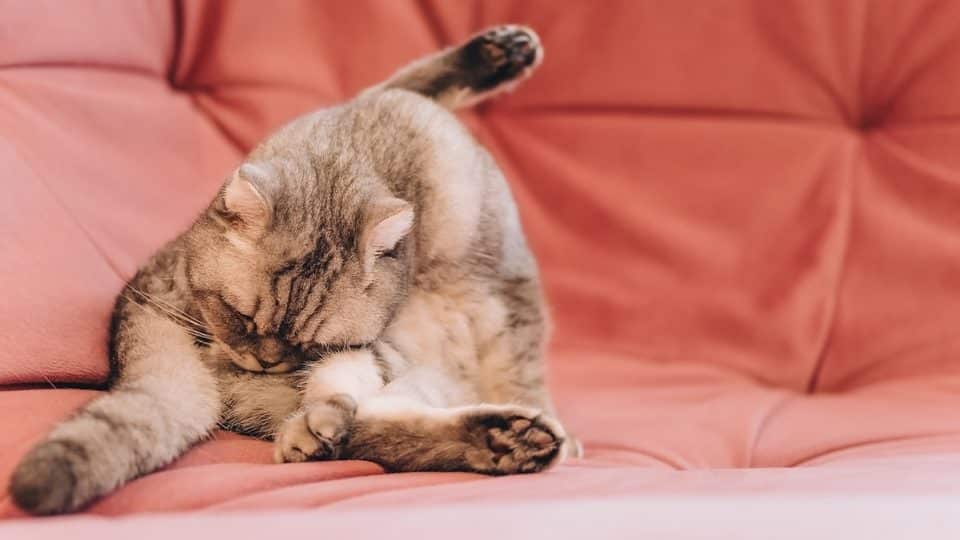
Your cat may occasionally shuffle their butt along the floor to clean it. But if this behavior happens often, it could mean they’re experiencing discomfort and irritation due to blocked or infected anal glands.
A foul, fishy odor
Your cat naturally produces a strong scent from their anal glands, which allows them to mark their territory. But if you notice an unpleasant smell coming from their rear end, this could mean the glands are infected and not emptying properly.
Excessive genital and anal grooming
You might spot your cat grooming themselves more often, focusing especially on their genital area. These changes in their grooming habits could suggest pain and discomfort from inflamed anal glands.
Painful defecation with straining
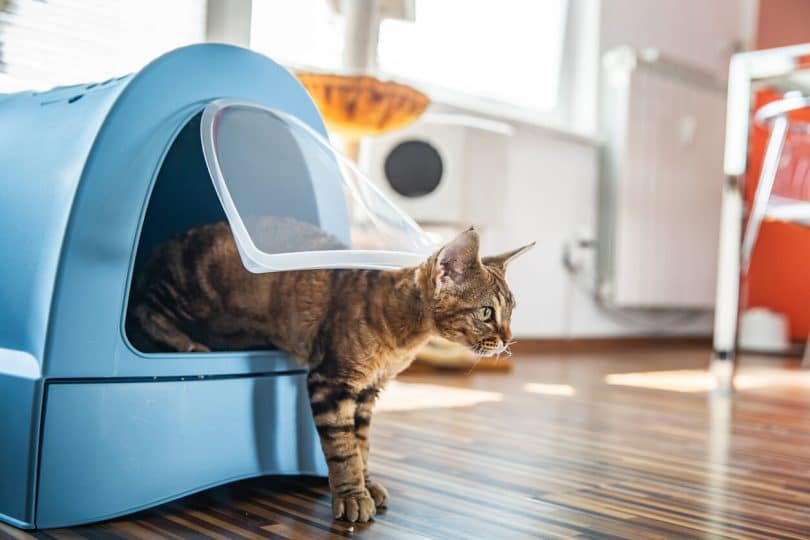
Does your cat meow or yowl while using the box or seem to strain before passing a bowel movement? This could mean their anal glands have become swollen and infected—and it’s a good sign to schedule a visit with your vet.
Regular diarrhea
Diarrhea or recurrent soft stools don’t necessarily mean a cat’s anal glands are impacted—but the lack of firm pressure on the anal sacs can make clogs and infections more likely. If your cat’s poop is often soft or they’re recovering from a bout of diarrhea, it’s a good idea to visually check their glands.
Hard masses in sac area
If the glands become clogged, you will feel hard masses near the sacs on either side of the anus. When these blockages are too hard or dry to express normally, your veterinarian may prescribe a softening agent, which they will infuse into the sac to help it pass.
Sores next to anus
Bloody, pus-filled sores next to your cat’s anus can be a sign of a ruptured abscess or anal gland disease. If you notice these sores, your vet can diagnose the condition and recommend the right treatment to help prevent infection and tumors.
How Often Do a Cat’s Glands Need Expressing?
Dr. Simon says cats generally won’t need their glands expressed. All cats—domestic and wild—usually express their glands naturally each time they pass a solid stool. Pooping squeezes the glands so the secretions come out alongside the stool.
Only rarely do cats need regular gland expression. This is generally the case for cats who have ongoing issues with their glands, though cats with obesity may be more likely to develop anal sac disease.
Cats with frequent diarrhea may also have trouble emptying their anal glands properly, since this requires solid stool. They may need manual expression, either at home or the vet’s office.
Fun fact: Your cat’s anal glands are related to those in skunks, but unlike skunks, cats can’t empty their glands voluntarily to leave scent. Cats seem to have lost this ability somewhere in evolution, so they can now only empty their glands when defecating.
Do You Need To See a Vet?
If this is your cat’s first anal gland issue, it’s a good idea to see your vet. They can check for infections and abscesses, consider whether an underlying condition might be to blame, and show you the ropes of manual expression.
If you and your vet are aware that your cat is likely to need occasional gland expression as part of the management of an existing health issue, you can learn to express your cat’s anal glands at home.
But it’s also okay to decide you’d like to leave it to the pros. A veterinarian or a groomer can handle this procedure for you. Depending on where you live, anal gland expression is likely to cost between $10 and $30, according to Dr. Simon.
How To Express a Cat’s Anal Glands at Home
If you can tell that your cat needs their glands expressed, your vet can show you how to do this safely. It’s always best to have them guide you through the process the first time.
Dr. Simon has also shared her expertise in this step-by-step guide to expressing your cat’s glands at home.
Materials needed: Disposable gloves, damp paper towels or cat-friendly wipes, grooming clippers (for cats with long hair)
Instructions:
- Find a helper. One person can work up front by holding your cat and helping keep them calm. The other can work at the back end.
- Consider doing the expression in the bathtub or shower to save time when cleaning up. You’ll also want to grab some paper towels or cleaning rags. Disposable gloves are essential!
- Trim the fur around the anus with grooming clippers. You don’t have to—but it can be a big help if you have a long-haired cat.
- To find your cat’s anal glands, feel directly to the right and left of your cat’s anus. If these pea-sized sacs are blocked, they will feel like hard lumps.
- Keeping your cat’s tail out of the way, gently begin pressing as your helper holds your cat still. You’ll press gently on your cat’s anal sacs, in an upward motion, until the liquid comes out.
- Use a damp paper towel, cat wipe, or rag to gently clean the area around your cat’s anus and any soiled fur nearby. If your cat will tolerate it, you might also try gently pouring some lukewarm water over the area for a more thorough clean.
- Monitor for blood or pus. If you notice any blood or pus as you’re cleaning up the secretion, you’ll want to call your vet right away, since this could point to an infection.
If your cat becomes very distressed as you attempt this, they could be in pain. It’s also the case that some cats simply won’t tolerate this procedure at home. In these cases, it’s best to consult the professionals.
What Happens If a Cat’s Glands Aren’t Expressed?
Complications of clogged anal glands include abscesses and anal sac disease. Here’s what to watch for.
Anal abscesses
Untreated anal glands can lead to abscesses in and around your cat’s anus, which can rupture. These abscesses can ooze with pus and blood and be very messy to deal with—not to mention highly uncomfortable for your cat.
If you believe your cat has an anal abscess, take them to the vet as soon as possible. Your vet can prescribe antibiotics to treat any infection and pain medication to ease your cat’s discomfort.
Anal sac disease
Your vet will check for anal sac disease by examining the glands to search for clogs and hard masses. They may also recommend additional tests to check for infections or tumors. Cancerous tumors may require chemotherapy, while non-cancerous and benign polyps may need surgical removal.
Treatment
These complications will require vet care, which will likely include a combination of antibiotics, anti-inflammatories, and pain relief.
Your vet may also administer a softening agent into the sacs and recommend bathing abscesses with warm salt water. They might suggest having your cat wear an Elizabethan collar to prevent licking
Can You Reduce How Often a Cat’s Glands Need Emptying?
If your cat’s anal glands are regularly being clogged as a result of chronic loose stool, the first step is to identify and treat the underlying cause with your vet. That might involve antibiotics, a hypoallergenic diet, or regular parasite prevention.
You can also talk to your vet about switching your cat to a nourishing high-fiber cat food, or adding fiber supplements and probiotics to their diet. These supplements can help ensure their poop stays solid to improve natural gland expression.
In rare cases, your vet might recommend a sacculectomy to permanently remove the anal glands—particularly if your cat has anal sac disease and frequently needs their glands expressed. Though this is a simple procedure, it does involve some risk of future complications with bowel movements. If your vet does recommend this surgery, they’ll explain the potential risks beforehand.