- This post contains affiliate links. Read more here.
- Not a substitute for professional veterinary help.
Large breed dogs are the embodiment of more is better—and because of their larger-than-life approach to things, they sometimes need special consideration when it comes to boarding. Big dogs can struggle with orthopedic problems, heat stress, slippery floors, stairs, and awkwardly designed spaces. They also need caregivers who can safely manage and restrain them.
In this guide, we’ll outline key amenities to look for when you’re choosing boarding for your large dog. We’ll also help you choose between in-home boarding with a sitter and a traditional boarding facility, based on your dog’s temperament and individual needs. Finally, we have questions to ask potential providers, a packing list, and tips for scheduling a trial stay.

How To Choose Boarding for Large Dogs
Step one is choosing the kind of boarding environment that will best suit your big pup. The top-line takeaway? Look for secure, spacious facilities or homes and handlers experienced in managing bigger dogs. Here’s what to consider.
Environment
Naturally, large dogs need adequate space. They’re also prone to overheating and joint issues, says Dr. Sarah-Jane Molier, a veterinarian with ESA Doctors. To keep your large dog comfortable, look for providers with:
- Spacious accommodations. Not all big dogs need a huge yard or indoor space for exercise, but play areas should be big enough for larger dogs to move and explore freely without bumping into other dogs. Crates and individual kennels should be big enough for the dog to stand, turn around, and stretch out.
- Secure fencing. Ensure the facility or home has fences high enough and gates sturdy enough to prevent a large dog from jumping over or digging under them and escaping.
- Climate control. Because large dogs face increased risk of overheating, boarding facilities should have air conditioning and limit outdoor time in extreme heat.
- Non-slip flooring and mats. Rubber mats and shock-absorbing flooring provide traction and prevent falls better than concrete floors.
- Large, comfortable beds. Orthopedic and elevated beds provide much-needed support for big breeds. Check to see if the boarding provider has them or if you’re allowed to bring your own.
- Minimal stairs. Some large dogs struggle with stairs, especially if they’re older. Look for facilities with fewer stairs or providers with single-story homes.
Health and nutrition
Boarding providers should understand health concerns specific to large breeds, such as bloat and joint degeneration. Look for providers that implement:
- Rest periods after meals. Large, deep-chested dogs should avoid exercise after eating to reduce the risk of bloat.
- Elevated food bowls (if your dog uses them). Raised bowls can be easier on a dog’s joints and may prevent bloat. (Just check with your vet to make sure it’s safe for your dog’s particular breed to eat out of an elevated bowl.)
- Emergency protocols: Confirm the facility or sitter has transportation suitable for a large dog and a way to get a bigger dog into the vehicle in the event of an emergency.
Exercise
Boarding facilities should also be able to meet your big dog’s daily exercise needs. That means they should provide:
- Personalized exercise routines. Not all large dogs are high-energy. “Exercise should be tailored to the individual, rather than assuming that bigger means they need more exercise,” says Dr. Lizzie Youens, a veterinarian at Service Dog Certifications.
- Appropriate play groups. Staff should consider your dog’s size, personality, energy level, and play style when putting them in a play group.
- Heat considerations. To prevent overheating, play sessions should be closely monitored, and dogs should be given ample rest between activities.
Physical handling and management
Even if they’re being friendly, large dogs can throw their weight around during play and pull harder on the leash. Boarding staff or sitters should be able to confidently leash, lift, restrain, and separate a large dog without resorting to fear or force.
Andrey Kanyshev via iStock
Questions To Ask for Large Breed Care
Asking the right questions can help you find the perfect boarding option for your large dog. You may have other questions based on your particular pup, but here are some essentials that apply to big dogs:
- What provisions do you have specifically for large-breed dogs?
- How do you manage hot weather?
- Is the indoor space climate-controlled?
- How often, when, and how are dogs exercised?
- Are rest breaks built into the day?
- How do you choose which dogs can socialize together?
- Are your staff experienced at handling and caring for large dogs?
- How would you access veterinary care for my dog in an emergency?
When To Choose In-Home Boarding
While social, energetic dogs who thrive in new environments often do just fine in a high-quality kennel, in-home boarding may be a better option for some big dogs. Here are some factors that might influence your decision.
Orthopedic issues
Large dogs with arthritis, hip dysplasia, or other joint issues may feel more comfortable in a home setting with carpeted flooring or soft rugs. You can find many sitters who allow dogs on beds and furniture.
You can also narrow your search to sitters who board only one dog at a time to reduce the risk of injury during play. This one-on-one care may be preferable for senior dogs or those who need timely medication or mobility assistance.
Enrichment
Typically, in-home caregivers can offer more interactive exercise and mental stimulation than a large-scale facility. This may benefit large-breed dogs who thrive with lots of physical and mental activity, including:
- German Shepherds
- Malamutes
- Rhodesian Ridgebacks
- Weimaraners
- Akitas
- Belgian Malinois
- Cane Corsos
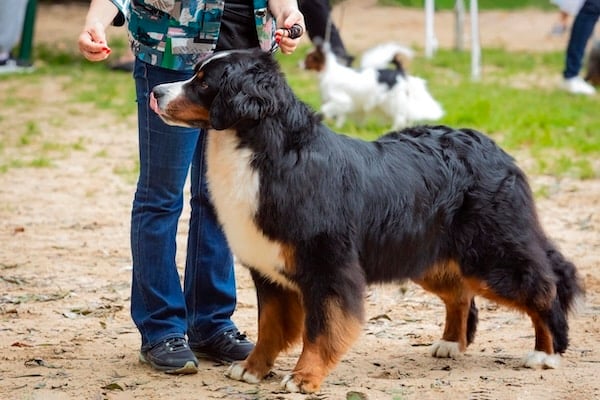
- Bernese Mountain Dogs
Puppies
Puppies need lots of attention and supervision. Large-breed puppies also need exercise limits to protect their growing bones. This individualized care is easier to come by in a home setting.
Anxiety
Traditional kennels can be loud and crowded, which may not be the best environment for an anxious dog. In-home boarding can be a quieter option with fewer (or no) other dogs.
Reactive dogs
While plenty of facilities can cater to your reactive dog, some spicy pups will benefit from a home setting with fewer triggers. When vetting potential sitters, look for those with specialized experience handling larger reactive dogs.

Tamer ALKIS via iStock
Tours, Trial Runs, and Prep
For a smooth boarding experience, it helps to do a little prep work upfront. Help your large dog acclimate to boarding with these tips.
Schedule a meet-and-greet or a tour of the facility
Before committing to a sitter, it’s smart to meet them in person to make sure they’re comfortable around your big dog and can handle them safely. For kennels, we recommend touring the grounds and looking for large-dog-specific accommodations, like spacious quarters, secure enclosures, and orthopedic-friendly flooring.
During these visits, ask how providers manage playgroups, feeding, and emergencies. “Ultimately, you want a provider who is happy to discuss these details and who sees your dog as an individual rather than simply another booking,” says Dr. Youens.
Opt for a short trial run
Consider arranging a practice stay before booking, either an afternoon visit or an overnight stay. These trial runs allow providers to get to know your dog’s personality and play style, which helps them place your dog in a suitable play group. It also gives you the opportunity to assess whether your large dog feels comfortable in the new environment.
Packing list for large dogs
In addition to the standard packing checklist for boarding, your large-breed dog may need some extra supplies, including:
- Food and treats. If they’re on a special large-breed diet, bring enough of their food for the stay, plus extra just in case.
- Appropriately sized chews. Pack a few large chews that can last a while against your big dog’s chompers.
- A secure harness. The right gear can help handlers manage your large dog on walks.
- Large dog bed. If your dog has a special orthopedic bed they like, bring it along.
- Crate. If you’re boarding in a sitter’s home, bring your dog’s crate so they have the right size.
- Meds, if necessary. Don’t forget to pack any medications or supplements your dog takes, along with clear instructions for administering them.
- Detailed care instructions. If your large dog has specific dietary needs, medical conditions, or personality quirks, include written instructions for managing them.
Alternatives to Boarding
While many dogs adjust well to boarding, it may not be the best choice for your large dog if they feel anxious in unfamiliar settings. Instead, consider booking a sitter to stay in your house with your dog.
“In-home boarding means your dog can keep all of their own home comforts, and there won’t be any changes to their daily routine,” says Dr. Molier. Plus, your own home may already be the perfect setup for your big dog, with soft surfaces and few stairs to navigate.
Ultimately, the best boarding option for your large breed dog depends on their individual temperament and care needs.