- Not a substitute for professional veterinary help.
Beyond their role as beloved companions, dogs hold important jobs in society, too. Whether they’re using their noses, intelligence, or energy, working dogs can transform their natural instincts into a wide array of professional skills.
From service to surfing, we’ve created a list of 10 incredible dog jobs. Read on to discover various canine roles, from the most common to the most unique.

1. Service Dogs
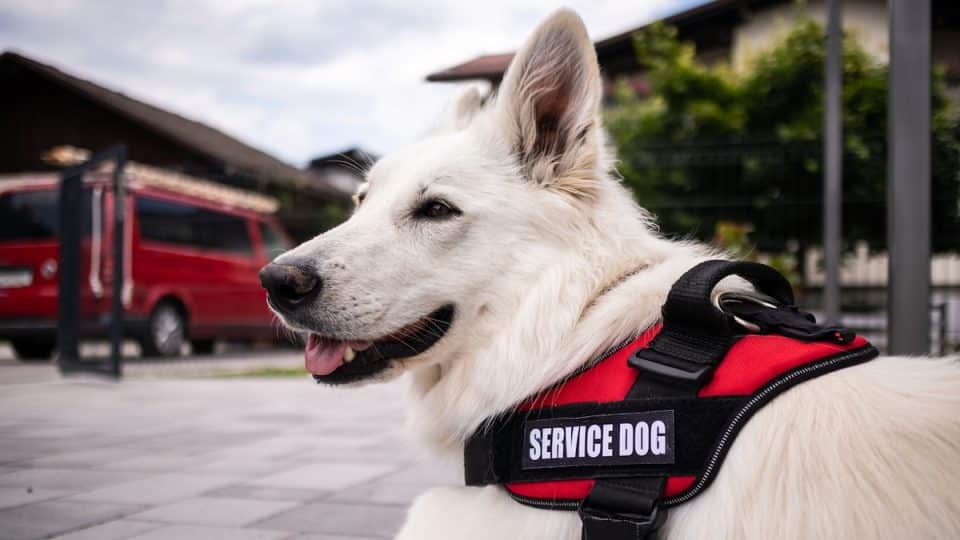
Service dogs perform specific tasks to assist people with disabilities in their daily lives—both at home and out in the world. These dogs have full public access, meaning they can go with their humans to places that companion pets aren’t usually allowed, such as libraries, restaurants, and on public transportation.
Service dog jobs include:
- Mobility-assistance dogs
- Guide dogs for people with visual impairments
- Medical alert dogs for people with seizures, diabetes, and food allergies
- Psychiatric service dogs who help people with depression, anxiety, and PTSD
2. Therapy Dogs
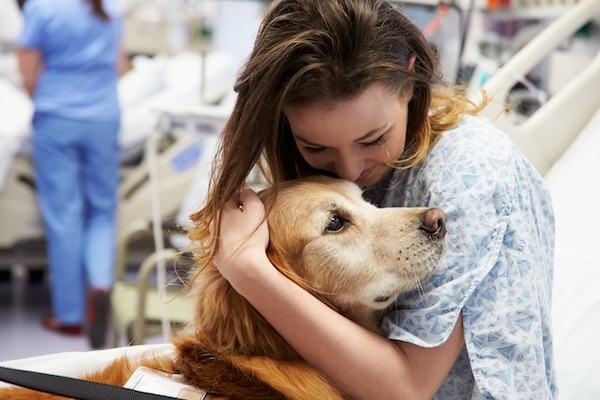
Like service dogs, therapy dogs need to be well-trained and even-tempered. However, their jobs are very different. While a service dog performs a specific task, a therapy dog’s job is to provide emotional support in a variety of settings, like at schools, hospitals, nursing homes, and even dentist offices—a supportive canine for your canines!
monkeybusinessimages via iStock
3. Livestock & Herding Dogs
Livestock dogs, like Great Pyrenees, were bred to guard smaller farm animals more vulnerable to coyotes, wolves, and other predators. Herding breeds, on the other hand, like Border Collies and Australian Shepherds, were bred to move livestock, such as cattle and sheep.
If you have a herding breed but don’t live on a farm, you can still give them a job by training them to compete in herding trials.
4. Search & Rescue Dogs
Search-and-rescue dogs use their incredible sense of smell to find people who are missing or in danger. Some of these dogs hold more specialized jobs. For instance, avalanche dogs search for victims trapped under deep snow, and urban disaster dogs find people buried under rubble in the aftermath of natural, accidental, or terrorist disasters.
5. Detection Dogs
Another job where dogs use their amazing sniffers is in the detection field. These pups hold many different roles, such as:
- Explosives detection dogs who work in airports, mass transit systems, and cargo facilities
- USDA detection dogs—like the Beagle Brigade—that sniff out harmful plants and animals
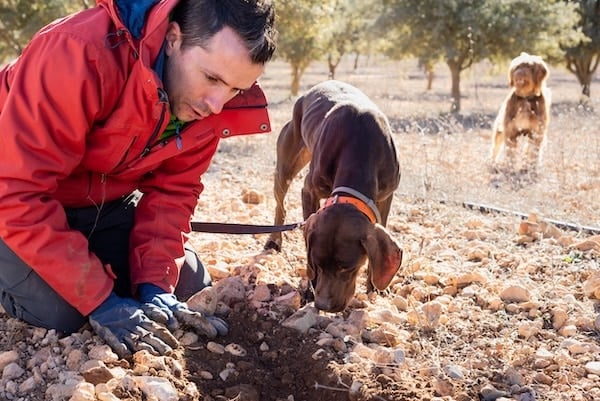
- Truffle hunting dogs (move over truffle pigs, there’s a new mushroom hunter in town!)
- Pest detection dogs, from bed bug sniffing to fine art preservation
- Conservation detection dogs—like the K9 Conservationists—who sniff out wildlife, invasive species, and more
- Electronic detection dogs who help the Secret Service find cell phones, hard drives, and other electronic devices
Esther Pueyo via iStock
6. Sled Dogs
Sled dogs, like the Samoyed, Alaskan Malamute, and Siberian Husky, are high-energy breeds who live in cold regions like Alaska, Canada, and Scandinavia. With their stamina, they run hundreds of miles across frozen terrain for days and even weeks. But you don’t have to live in the Arctic to teach your dog to pull you in the snow. As long as they’re athletic, energetic, and big enough, your dog can learn how to pull you on a sled or skis.
7. Baseball Team Dogs
Baseball team dogs retrieve baseball bats and bring them back to the hitting team’s dugout. Some even take water to the umpires or bring out the game ball to the pitchers on the mound. These team dogs often become local celebrities, like Finn the Bat Dog, holding meet-and-greets before the games, like the stars they are.
8. Cheetah Therapy Dogs
When a cheetah cub has been abandoned or orphaned and ends up in human care, many zoos pair them with a companion dog to act as a surrogate sibling. This partnership works well since Cheetahs tend to be nervous animals. The dogs they’re paired with are easygoing, friendly breeds who help calm them down. Who says dogs and cats can’t get along?
9. Airport Runway Dogs
Traditionally, airports have used technology—such as noisemakers, lights, and sirens—to keep birds and wildlife off the airway and prevent collisions with planes. However, over time, the animals can become accustomed to these methods, rendering them ineffective.
That’s why some airports are now using dogs instead of tech. Whenever the airway needs to be cleared, the control tower communicates with the dogs’ handler, who releases them to chase the wildlife off the runway.