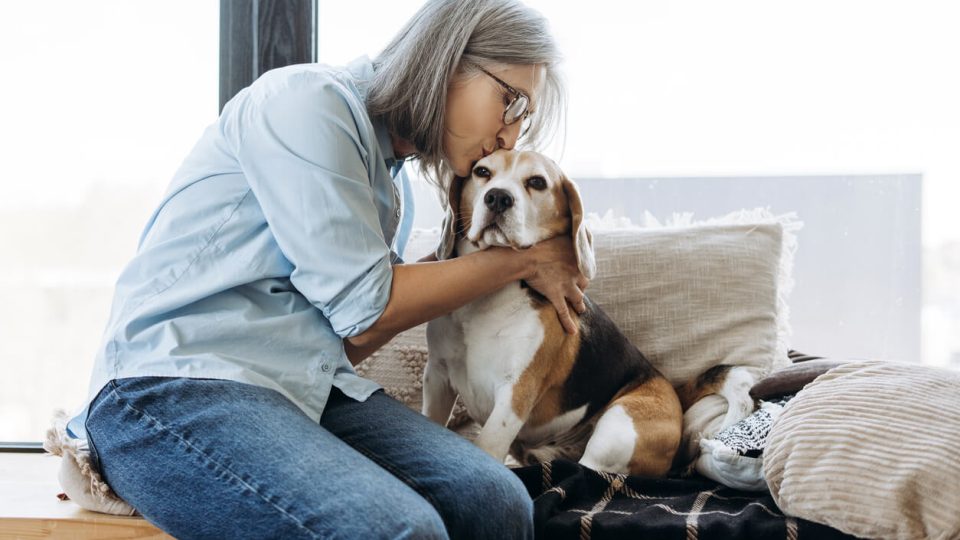
- Not a substitute for professional veterinary help.
Finding the right pet sitter for your senior dog helps make sure they get the personalized care they need to stay happy and healthy while you’re away.

Many older dogs don’t handle new environments well, especially if they’re dealing with memory changes, vision loss, or arthritis, explains Dr. Kate Elden, veterinary leader and chief medical officer at Dutch.
A familiar environment, like their home, is usually less stressful. So, to make things easier for your dog, it’s usually best to find a local sitter rather than boarding them or bringing them along.
Read on to learn how to find a sitter and how to prepare them for caring for your senior dog.
Finding Local Options for Senior Dog Sitting
There are several ways to find a sitter for your senior dog:
1. Look on Rover
Rover makes it easy to find sitters who match your dog’s specific needs. You can search your own neighborhood, filter for experience, and read feedback from other pet parents before you book. Here’s what to focus on when browsing profiles:
- Narrow down the area: Search for sitters near you to limit travel time and find someone who knows your neighborhood well.
- Define dog sitting options: You can choose between drop-in visits or house sitting. Drop-in visits are short check-ins throughout the day, while house sitting means the sitter stays overnight.
- Check for experience: Review sitter profiles for experience giving medication and pet sitting for senior dogs.
- Read reviews: Older dogs depend on predictable routines, so consistent and punctual sitters will make the best fit.
2. Search on Google
A general search can offer a wide range of options, including local boarding facilities, independent sitters, and day care centers. However, while Google can provide a useful overview, it doesn’t let you filter options by your dog’s specific needs or compare providers easily.
If you find a sitter through an online search engine, it’s best to ask specific questions before you book a sitter. For example, you might check how much experience they have with senior dogs, if they feel feel comfortable giving medications, and if their availability allows works for your dog’s routine.
Boarding can work well for social senior dogs who still enjoy activity, but many older dogs do better with the quiet, one-on-one attention an independent sitter can offer.
3. Vet boarding
Dr. Elden suggests vet boarding if your dog has complex medical needs. For instance, vet boarding may be ideal for:
- Dogs with diabetes who need insulin injections
- Dogs with advanced kidney disease
- Dogs who have epilepsy, especially if they’ve recently had a seizure
- Dogs recovering from surgery
Tips for Senior Dog Sitting
These tips can help the process of booking a sitter go more smoothly:
1. Set up a meet and greet
A quick meeting helps you make sure the sitter and your dog get along and gives you the chance to confirm in person that the sitter is comfortable handling your dog’s needs.
During the visit, you can walk the sitter through things like:
- Your home setup
- Your dog’s schedule and preferred activities
- Any safety concerns
2. Write down emergency plans
Dr. Elden suggests leaving an emergency plan that includes the following:
- Your veterinarian’s information
- The closest emergency hospital
- All medications and doses
- Your dog’s regular routine
- When to call you
- When to seek immediate are from a vet
She also recommends letting your vet know the sitter is authorized to approve care and leaving written permission for emergency treatment if the sitter or vet can’t reach you.
3. Ask about additional costs
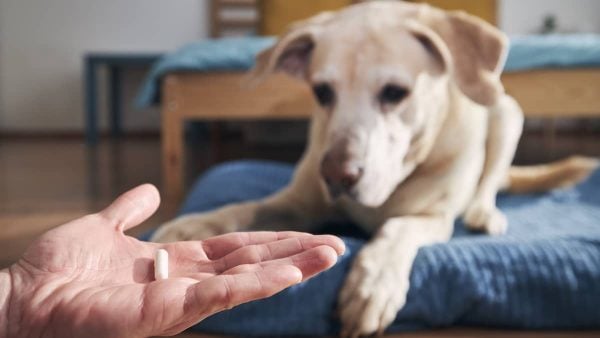
Senior dogs often need more personalized care, like medication administration or mobility assistance. This extra attention can increase the price per night, so ask sitters about their rates before you book to avoid any surprises later.
4. House sitting vs. drop-in
According to Dr. Elden, overnight house sitting may be a better option if your dog:
- Needs medication late at night or early in the morning
- Has separation anxiety or cognitive dysfunction
- Needs frequent help getting outside
Some senior dogs also get more anxious after dark or wake up during the night, so having the pet sitter around can help them settle down.
If your dog can comfortably wait several hours between bathroom breaks and doesn’t get anxious alone, a combination of drop-in visits and walks can work well instead.
Check out Madison’s tips for how to find a trusted pet sitter for her senior dog Peanut in the video below:
Checklist to Prepare Your Sitter for Senior Dog Care
Giving your sitter detailed instructions can help them feel more confident caring for your dog. Cover these details and walk through them together to minimize confusion later on:
- Baby gates for stairs: Show the sitter where gates go and why they matter for your dog’s safety.
- Emergency vet plan: Share contact information and instructions for who can approve care.
- Medication needs: List doses, timing, and how to give each one.
- Mobility aids and tools: Demonstrate how to use ramps, harnesses, or slings.
- Potty needs: Give notes on frequency, a specific bathroom routine, and diaper changes if needed.
- Food routine: Include meal times, portions, and any dietary restrictions.
- Calming techniques: Explain what helps your dog settle down if they become anxious or overstimulated.
FAQs About Senior Dog Care
Should I leave my senior dog at home while I go on vacation?
For healthy senior dogs, staying home with a trusted sitter is usually the least stressful option. That said, some health situations, like advanced illness or end-of-life care, may call for a different plan. Ask your vet if you aren’t sure what’s best for your dog’s condition.
Can senior dogs be boarded in a kennel or sitter’s home?
Yes, but it depends on your dog’s health and temperament. Dogs with mobility issues, anxiety, or medical needs often do better with an in-home sitter or vet boarding. These options allow for more personalized care than a standard kennel setting does.
What if my dog has mobility or special needs?
If your dog has mobility or other special needs, Dr. Elden recommends doing a practice visit with your sitter before the trip. This gives everyone, especially your dog, a chance to get comfortable. Show the sitter exactly how you help your dog get up, use a harness, navigate stairs, or take medications.
Should I get daily drop-ins or overnight sitting?
A healthy senior dog who’s comfortable alone may do fine with drop-in visits. A dog with nighttime anxiety, mobility struggles, or late-night medication needs will likely do better with overnight house sitting. If you’ll be away on a longer trip, overnight sitting might be a better option since it provides your dog more consistent companionship.