The upcoming animated film The Secret Life of Pets is bound to give us some hilarious thoughts on what our dogs do when we’re away, but these pups will be animated. What about the secret life of actual movie dogs? What’s it like behind the scenes as a four-legged thespian in the Hollywood scene? Here are things you may not know about canine celebrities, from their working life to your own dog’s breakout possibilities:
Over a Century Ago, It Started with Rover
https://www.youtube.com/watch?v=LlhNxHfyWTU

A 1905 British film used a collie (actually named Blair) to share the silent film story of a kidnapped baby, and the canine who leads a concerned father to the culprit. Rescued by Rover didn’t just give us the first canine film star, it was literally a family affair—on and off screen. Director Cecil Hepworth used his family for most roles, including the family dog. The film was so successful the negatives were worn out in circulation and the story had to be re-shot twice; poor Blair had to replay the rescuing role several times for dog-loving audiences everywhere. Whereas Rover hadn’t been a common canine name until the film, Blair’s stunning performance popularized it for our pets (not to mention a certain website).
Dogs Owe Their Cinema Safety to a Horse
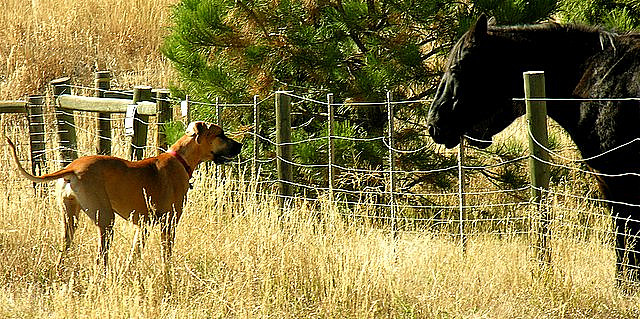
Another species of four-legged friend met an untimely end in a film about Jesse James in 1939. When a horse died during a stunt, the MPAA was persuaded to collaborate with the American Human Association to create guidelines for animal safety and protection. This is why you often see the “No animals were harmed…” tag in film credits today.
This was probably good news for the dog who played Toto in The Wizard of Oz and was likely being overworked since her Hollywood debut in 1934, appearing in over 15 films in under 10 years and enduring a broken foot on the Oz set. The AHA guidelines for proper dog handling appear on their website and include the following:
- On-site AHA presence to monitor the use of dogs (and other animals)
- Required vaccinations and health certificates
- Special dispensations for underage performers (i.e. puppies)
- Protective guidelines for interactions with animals that might impact prey or reproductive drives
- Stipulations for crates, shade, fencing and other housing/comfort issues prior to the animals arrival on set
Hands Off Those Puppies!
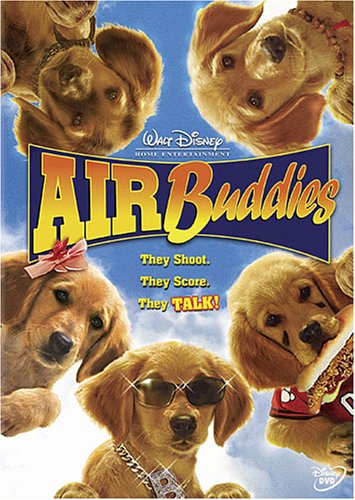
You might think working on the set of a four-legged feature film, like Air Buddies, would be like a heavenly petting zoo for dog lovers. However, a simple look at a movie’s endless credits make you realize a numerical problem. A parcel of beautiful puppies that everyone on the cast wants to caress would leave no time for furry filming, and it’d be an exhausting day for those little dogs. The AHA is clear that “Production shall limit cast and crew in areas where puppies are being used” and “Production and the animal handler shall limit the handling, petting and touching of puppies to only necessary individuals.” The word quarantine is actually used for their environment, which would totally sound isolating and strange…if we were talking about humans.
Then again, intense actors like Daniel Day Lewis often estrange themselves from many cast and crew, so perhaps our budding canine thespians are simply method actors. In either case, a dog-centric feature or recurring sitcom pooch is not going to be a heavy-petting setting.
Gender-Blind Casting
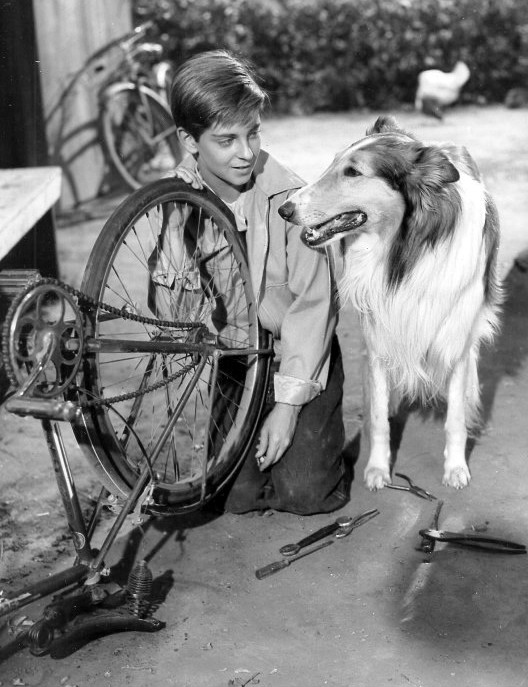
Lassie wasn’t a lassie? Centuries ago in theater, human female roles were played by males (often boys), and in more recent times young women have been cast to play Peter Pan and other roles. In canine circles this is far more common: it turns out all the pooch players for Lassie have been male collies, and as for the aforementioned Toto from The Wizard of Oz? His, I mean her, name is Terry.
You’re Probably Seeing Double (or Triple, or…)
The 2015 film Max featured a beautiful Belgian Malinois in the titular role. While a primary dog, Carlos, was employed for close ups, it took five dogs to satisfy the requirements for filming. Instead of making one dog do different scenes requiring running, jumping, interacting with humans, or baring those canine canines, each dog was used for their specialties and to avoid overwork and exhaustion.
This isn’t very different from human child regulations where twins or triplets are utilized. Six dogs were used in My Dog Skip, and 22 Labradors in Marley and Me. Non-toxic makeup is used to adjust minor color differences and match markings. Still, in some cases only one dog is used, like Beethoven and Buddy (Air Bud), who both also got to use their real names in their successful franchises. By contrast, Buddy also played “Comet” on Full House all by himself, whereas the employed doubles were the very human Olsen twins.
Canine Cash Cow?
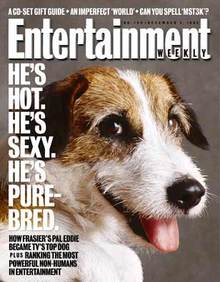
The old story about The Wizard of Oz—that Terry/Toto made more money per day than many of the human actors—is a rarity. It’s true the little dog made $125 every working day, but today the cash-out hasn’t grown proportionately to human celebrity standards. They don’t typically get residuals, fees often go to multiple trainers, and other factors impact the bottom line. Compare two stars of Frasier, Kelsey Grammar and Moose (who played Eddie the dog): Grammar made 1.6 million per episode, whereas Moose brought home around $10,000.
Typically, while some dogs can bring home upwards of $400 per day, most make between $50 and $100…not even as much today as Terry made on the Oz set decades ago. If you adjust classic canine Rin Tin Tin’s salary for inflation, you’re in the ball park of $78,000 per week…but most dogs won’t be the critical factor bringing a studio back from bankruptcy, as this dog actor did for Warner Bros. in the 1930. Rumor has it he had the most votes for Oscars in 1929, but the Academy felt Best Actor had to be for a human.
They Have Their Own Awards: The Pawscars!
If they aren’t allowed to win at a ceremony for human achievement, the AHA has created their own awards for dog roles such as:
- Best Puppy Under Pressure
- Best Chase Scene
- Best Young Animal Performers
The short video also highlights ways these pets are protected with safety straps, stuffed doubles, and more, from Wolfie in The Interview to the German shepherd in Sex Tape and makeup for puppies in The Drop.
You Want (Your Dog) To Be In Pictures?
Perhaps you think your pooch is ready for prime time: what should you expect? We’ve covered some issues like protective guidelines, monetary expectations, and more, but there are a few things to consider before your canine goes on camera:
- Solid off-leash obedience is a minimum expectation
- While you see recurring breeds like golden retrievers, film follows fads so there’s no guarantee a particular breed or unique mutt (like Benji) may be desired
- Despite helpful AHA rules to avoid crowded situations, a dog still needs to be well socialized
- There are agencies like Hollywood Paws, but not the same as humans: in most cases dogs are still considered and handled contractually more like props than actors
- Some agencies recommend the CGC (Canine Good Citizen) test before being represented
- There are agents to be found, but you can start small by looking for independent productions and casting calls on Craigslist and similar sites

It’s comforting to know that we’ve grown over a century of featuring dogs in film, and with cameras in nearly everyone’s hands, you might snap a few video screen tests to see if your best friend has that “it” factor!
Top image credit: Wikipedia