Valentine’s Day often involves big gestures and romantic chemistry. But when it comes to understanding what true love looks like, our pets may offer some of the clearest clues.
How Pets Show Love
Dogs and cats build relationships through consistency, trust and everyday care. Learning to recognize how pets give and receive affection can strengthen the bond we share with them and reveal the qualities that support healthy relationships of all kinds.
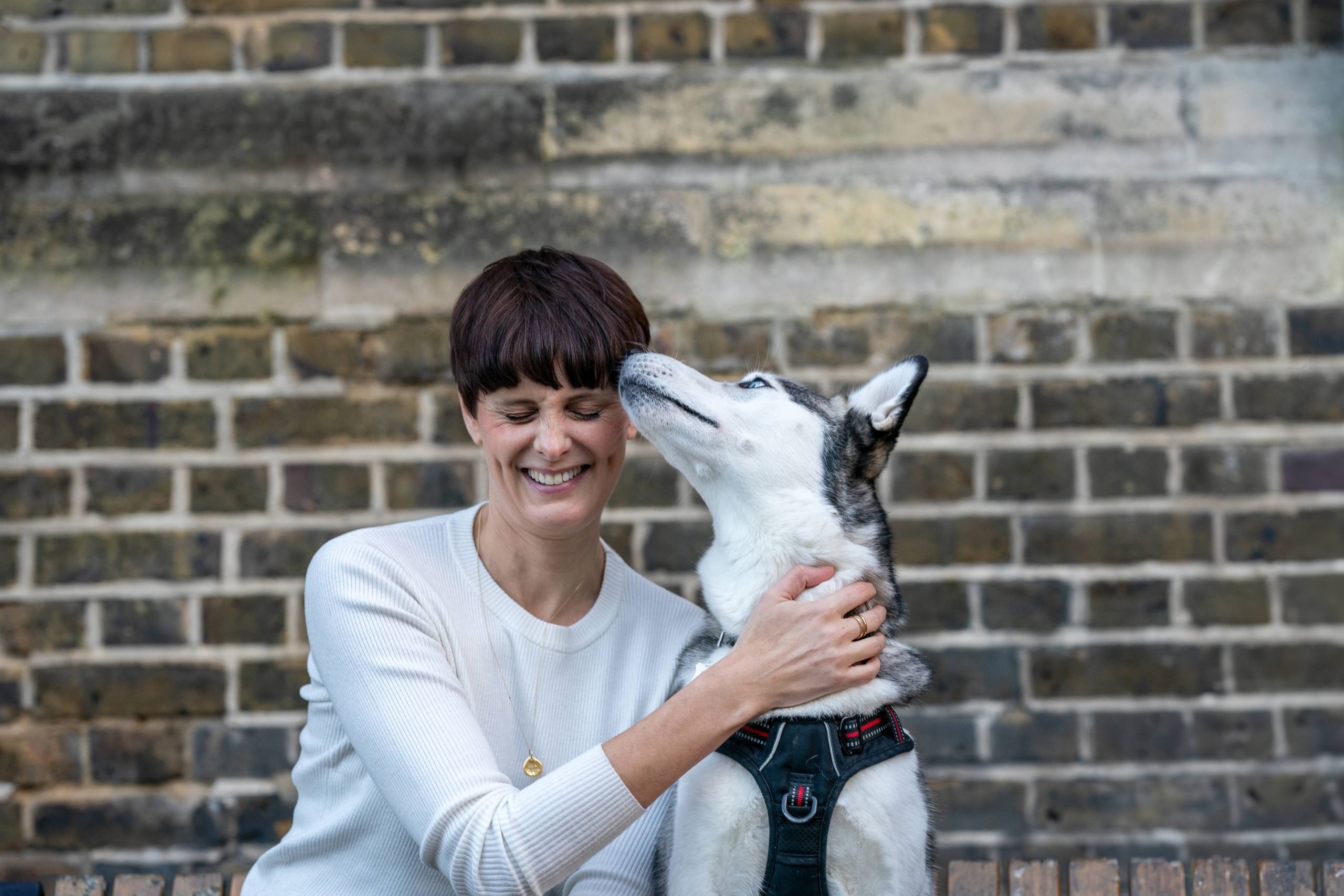
Dogs often show love through proximity and body language. Choosing to sit nearby, following their person from room to room, or offering relaxed eye contact are all signs of trust and attachment. Some dogs also bring toys or favorite items as a way of sharing something meaningful.
“Love is expressed through positive social interactions that release oxytocin in both the dog and the human. Showing your dog you love them doesn’t require high excitement, but can occur from those little things we do daily with our pets, like mutual eye contact, petting, or simply talking to them. One of my favorite examples of a loving human–dog relationship is how my dog chooses to sleep upside down, belly exposed, right next to me while we relax. It’s a quiet moment that shows complete trust, comfort and connection without needing constant touch.” – Nicole Ellis, certified professional dog trainer.
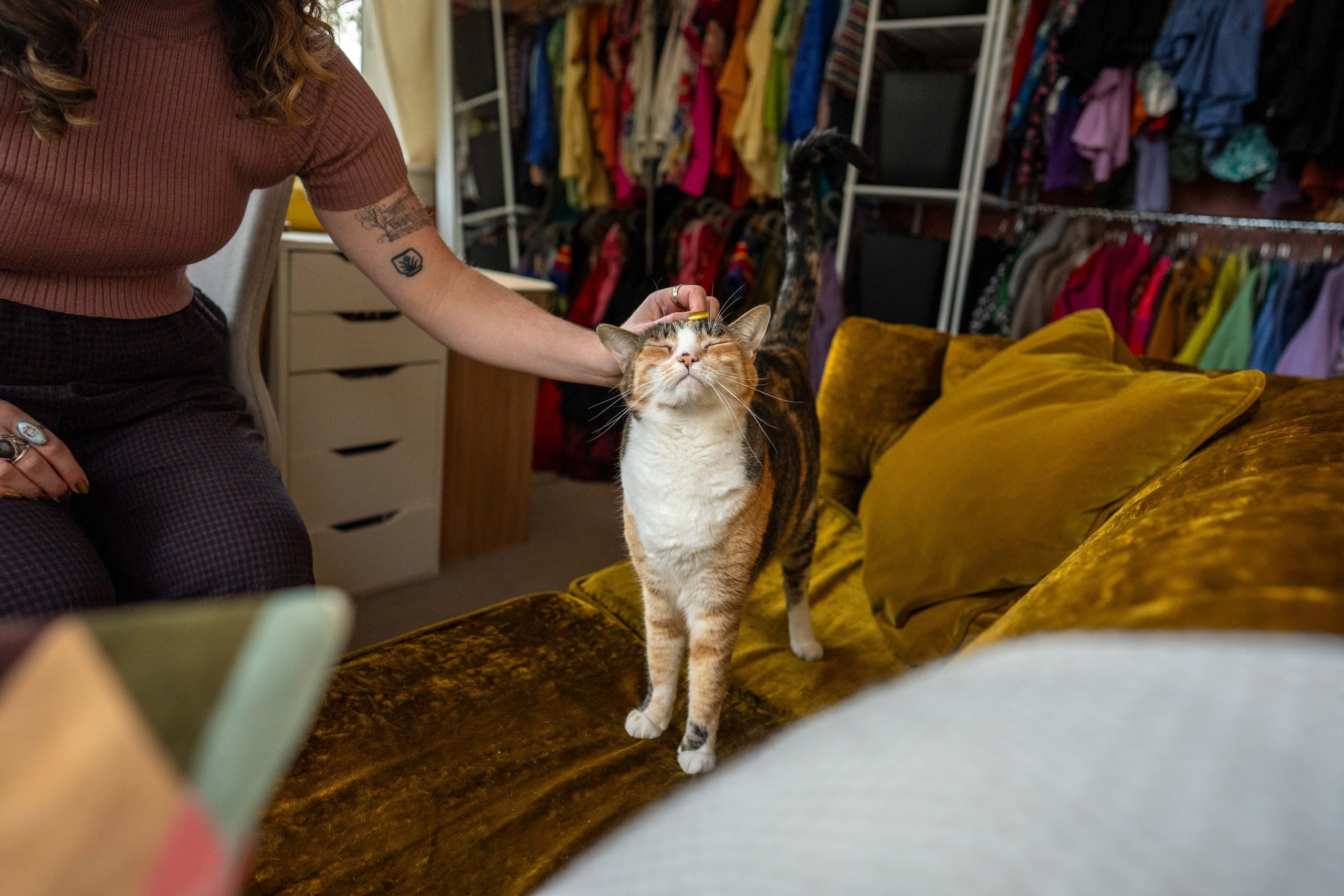
Cats tend to communicate affection more subtly. Slow blinking, head-butting, rubbing against legs, or simply choosing to spend time in the same space are all strong indicators of comfort and connection. For many cats, love looks like a shared presence rather than constant physical contact.
“A loving cat-human bond is unique to every pair. To foster a great relationship, provide an environment that meets a cat’s basic instincts like climbing, scratching and playing, and essential needs. Love also means accepting your cat as they are. Learning their body language and preferred interactions can deepen your connection, even if they are shy or touchy.” – Dr. Mikel Delgado, cat behavior expert.
Recognizing these behaviors helps pet parents better understand how their dog or cat expresses affection in their own way.
Love Is Built Through Trust and Consistency
The majority of pet parents (81%) believe that their dogs and cats love them unconditionally, no matter what. In reality, strong human–animal bonds are built over time through predictability, routine and mutual understanding.
Pets thrive when their individual needs are respected, a sentiment shared by 90% of pet parents. For dogs, that might mean exercise and play that match their energy level, as well as calm, reassuring interactions. For cats, it often means respecting boundaries, providing enrichment, and allowing them to initiate affection on their own terms.
Small, consistent actions matter, and 99% of pet parents have adapted their own routines to better meet a specific need or preference of their pet (e.g., a specific walking route or a particular type of playtime). Daily routines, familiar rituals and calm responses help pets feel secure and reinforce trust over time.
Why Pets Are the Ultimate Green Flag
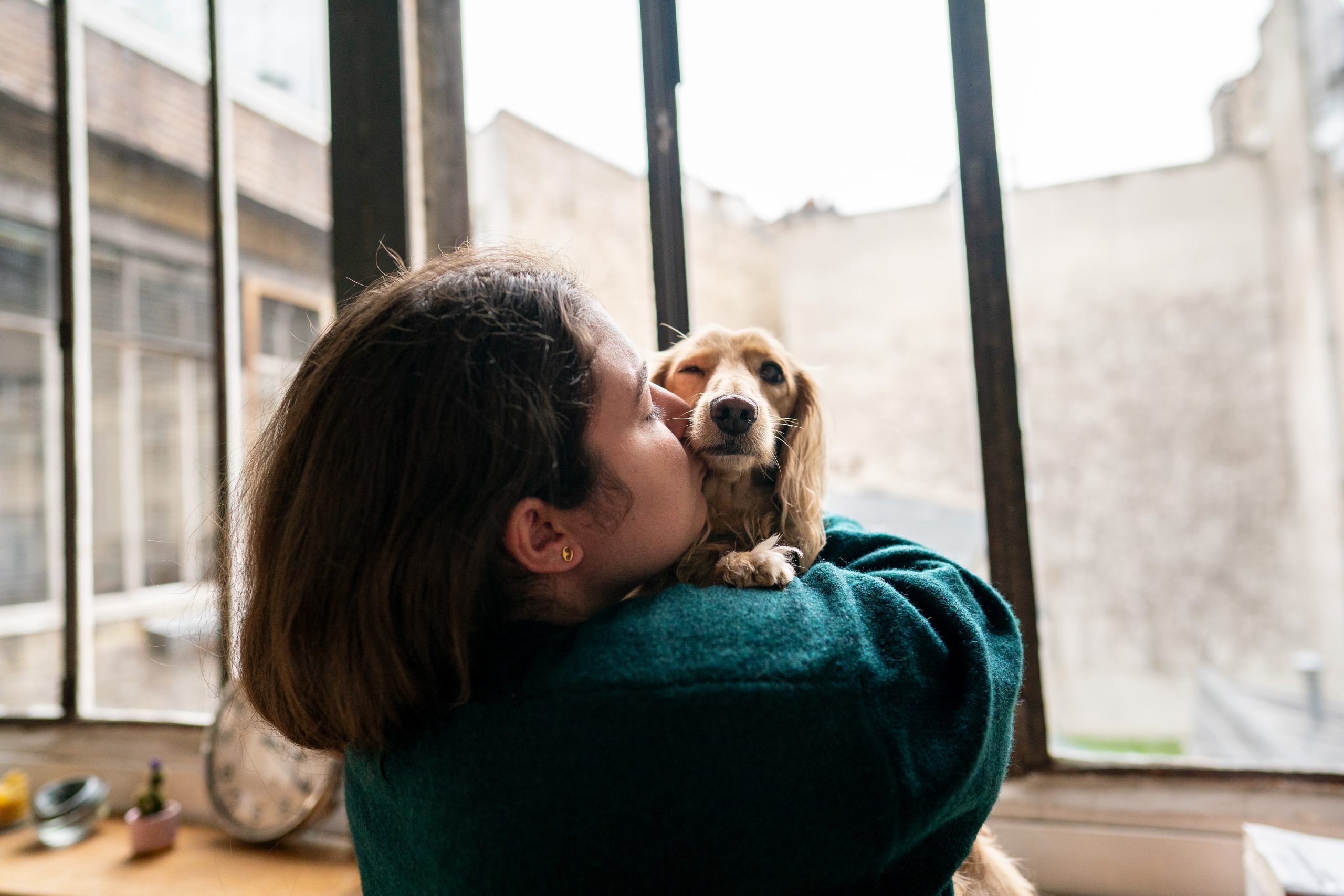
More people are paying attention to how someone treats their pet as a reflection of how they show up in relationships. Caring for an animal requires patience, empathy, and the ability to respond to non-verbal cues.
Being attentive to a pet’s boundaries, consistent in their care, and responsive to their needs often signals emotional awareness and long-term commitment. The majority (88%) of pet parents agree that how a person treats their pet is a good indicator of how they will treat other people. In that sense, the way someone loves their pet can be a meaningful green flag when it comes to understanding how they approach relationships of other types.
More than half (52%) of pet parents have gone so far as to end a relationship (romantic or otherwise), or decided not to pursue one, based on how that person interacted with their pet and vice versa. Others have learned more about interpersonal relationships, with 42% agreeing their pet is better at showing love and affection than their loved ones. Another 46% admit they in return are better at giving love and affection to their pet than to their loved ones (e.g. significant other, parents, siblings).
According to Philip Tedeschi, Professor and Researcher on the Human-Animal Bond and member of Rover’s Pet People Panel, “The concept of unconditional love from a pet helps us set a higher standard for the consistency and acceptance we seek in human relationships. The loyalty and commitment shown to a pet is a powerful indicator of a person’s capacity for deep, enduring human connection.”
What Pets Teach Us About Love
Pets remind us that love isn’t about grand gestures. It’s built through everyday care, respect for boundaries, and showing up consistently. In fact, 42% of pet parents say their relationship with their pet has impacted how they view love or commitment.
This Valentine’s Day, whether you’re celebrating with a partner, friends, or your pet curled up beside you, it’s worth remembering that some of the most meaningful lessons about love come from the relationships we build with our pets.